
Electrical Panel Upgrade Services
- 20+ Years Combined Experience
- Licensed C-10 Electrical Contractor #1034067
- 24/7 Emergency Service
- 10-Minute Average Response to Calls & Forms
- 4.9 Rating (Google, Yelp & Angi)
Request Service
Full name, phone, and email are required — tell us as much or as little as you like.
We typically respond within about 10 minutes.
What an Electrical Panel Upgrade Involves
An electrical panel upgrade replaces your home’s main breaker box, the metal panel that distributes power to every circuit in the house, with a new one that has more capacity, better safety protection, or both. Most upgrades in California move a home from an old 60A-150A panel to a 200A panel, though the right size depends on your home’s actual electrical load, not just its age.
This is licensed electrical work, not a DIY project. It involves working at your home’s main service point, coordinating a brief power shutoff, and passing a city inspection before the job is considered done.
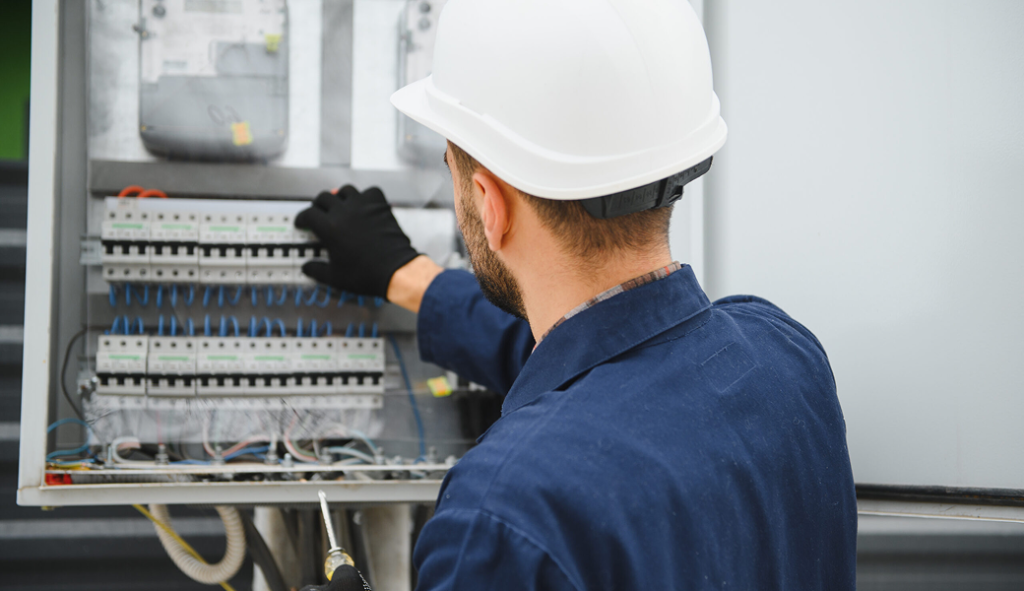
Signs Your Electrical Panel Needs an Upgrade
Most homeowners don’t think about their panel until something forces the question. These are the signs worth acting on:
Breakers trip repeatedly, even during normal, everyday use
Lights dim or flicker when a major appliance (AC, dryer, microwave) turns on
A burning smell, buzzing sound, or visible scorch marks near the panel
You rely heavily on power strips or extension cords because there aren't enough circuits
Your panel is rated below 100A, common in homes built before the 1980s
You're planning an addition, an EV charger, a heat pump, or another large electrical load your current panel wasn't built for
Any one of the first three signs, especially a burning smell or repeated tripping, is worth a same-week inspection rather than a wait-and-see approach.
What Size Electrical Panel Do You Need?
100A panels are common in older homes and are often enough for basic lighting, outlets, and one or two major appliances, but they leave little room for an EV charger, a heat pump, or a home addition. 200A panels are the standard for most modern California homes and handle a full range of major appliances plus future upgrades without a second replacement. Smart panels go a step further, adding circuit-level monitoring and the ability to manage individual loads from an app, useful for homes pairing solar, battery storage, and an EV charger on the same service.
The right choice depends on your home’s actual electrical load, not a general rule of thumb or the size of your house alone — we calculate this during the inspection rather than guessing.
Panel Size
Typically Fits
Watch For
100A
Smaller or older homes with basic lighting, outlets, and one or two major appliances.
Little to no room for an EV charger, heat pump, or home addition without a future upgrade.
200A
Most modern California homes, standard for new construction and full renovations.
The default recommendation for most upgrade jobs unless the home’s load calculation says otherwise.
Smart Panel (200A+)
Homes combining solar, battery storage, and EV charging, or anyone who wants circuit-level app monitoring.
Higher cost than a standard 200A panel; the added features should match how you’ll actually use them.
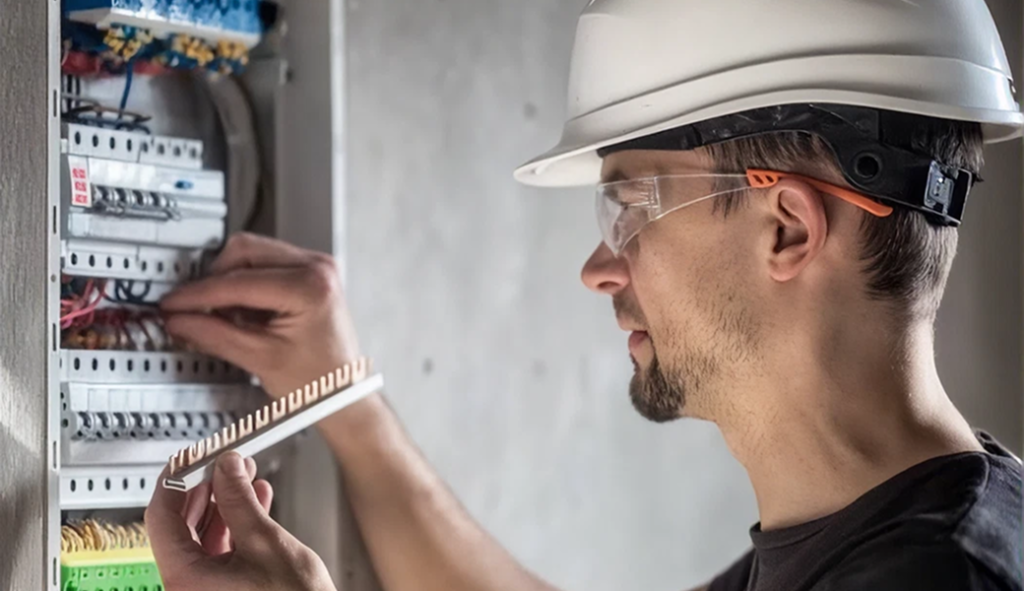
Other Reasons a Panel May Need Replacing
An outdated or overloaded panel doesn’t need to carry a specific brand name to be a legitimate reason for an upgrade. Age, corrosion, insufficient capacity for today’s electrical loads, and general wear are common, valid reasons on their own, and the signs listed above apply regardless of your panel’s brand.
That said, a few older panel brands are worth calling out specifically because of well-documented reliability problems, not because they’re the only situations that warrant an upgrade. Zinsco and Federal Pacific (Stab-Lok) panels are the most notable examples: both have a documented history of breakers that can fail to trip during an overload, and Zinsco breakers in particular have been known to weld to the bus bar, meaning the circuit can stay energized even when the breaker is switched off. If your panel is labeled Zinsco, Federal Pacific, or Stab-Lok, an inspection is worth scheduling regardless of whether you’re seeing any other warning signs. But if your panel is a different brand and you’re seeing the signs above, that’s just as valid a reason to have it looked at.
Our Panel Upgrade Process
1
Inspection & Load Calculation
We inspect your current panel and calculate your home’s actual electrical load to confirm the right panel size, rather than defaulting to the biggest option available.
2
Permits & Code Compliance
We pull the required permit and bring the installation up to current California Electrical Code, including grounding and bonding updates where needed.
3
Installation Day
Power is shut off briefly while we remove the old panel and install the new one. Most upgrades take a half day to a full day, depending on panel size and any utility coordination needed.
4
Final Inspection
We coordinate directly with the city inspector so the work is signed off correctly the first time.
Permits & Code Compliance in California: A permit is required for an electrical panel upgrade anywhere in California. This protects you as the homeowner: a permitted, inspected panel is documented work that holds up for insurance, home sales, and future electrical projects. We handle the permit application and schedule the inspection as part of the job, so this isn’t something you have to manage yourself.
What Affects Panel Upgrade Pricing
Panel upgrade pricing depends on panel size, your home’s existing wiring condition, whether a breaker replacement or subpanel is also needed, and any utility coordination required for the service upgrade. We give a clear, written quote after the inspection, before any work starts.
If you’re seeing any of the warning signs above, especially repeated tripping, dimming lights, a burning smell, or a panel rated below 100A, an inspection is worth scheduling. If none of those apply but you’re planning an addition, an EV charger, or another large new load, it’s still worth a load calculation before you commit to that project. We’ll give you an honest answer either way, not just a sales pitch.
Electrical Panel Upgrade
From $850
Panel upgrade from $850 (from $1,000 with breaker replacement); subpanel installation from $850; panel relocation from $1,250. Financing available through Wells Fargo, EnerBank, and Synchrony Bank. Rebates may apply when paired with a qualifying HVAC or heat-pump project — see our Rebates page for details.
Proven on Real Panel Upgrades
“Upgraded our ancient 100-amp box to a fresh 200-amp panel. The work was super clean and passed city permitting on the first try.”
Brian J.
“Upgraded from a 100A to a 200A panel to support solar and AC expansion. Passed city inspection smoothly.”
Naomi L.
Frequently Asked Questions
Do I need a permit for a panel upgrade?
Yes, a permit is required anywhere in California. We handle the application and inspection scheduling as part of the job.
How long does a panel upgrade take?
Most upgrades take a half day to a full day, depending on panel size and whether any utility coordination is needed.
Will my power be shut off during the work?
Yes, briefly. Power is off for the portion of the day we’re actively working on the panel, and we’ll tell you the expected window in advance.
What panel size do I need for an EV charger or heat pump?
It depends on your home’s total electrical load, not just the new appliance. We calculate this during the inspection. See our EV Charger Installation page for what a charger specifically requires.
Panel Upgrades Across California
Don’t see your exact city listed? Reach out anyway. There’s a good chance we already serve your area, and our coverage is always growing.