Introduction
When considering the electrical systems within buildings, whether residential or commercial, it’s crucial to understand the complexity and importance of these networks that bring power into our lives. Electrical services for buildings play a vital role in ensuring not only functionality but also safety. By maintaining optimal systems and understanding key components, homeowners and business operators can safeguard against potential hazards while enjoying a seamless power supply.
In this blog post, we’ll delve into the critical systems that make up electrical services for buildings and offer essential maintenance tips to keep them operating efficiently.
Table of Contents
- Overview of Electrical Systems
- Core Components of Electrical Systems
- Installation Process
- Maintenance and Safety Considerations
- Practical Tips for Homeowners and Renters
- Conclusion
Overview of Electrical Systems
Building electrical systems are intricate networks that deliver power safely from external sources to internal circuits. These systems consist of various interconnected components, including service connections, distribution panels, wiring, outlets, switches, and protective devices. Together, they provide a reliable supply of electricity while preventing hazards such as electrical shocks, short circuits, and fires.
Core Components of Electrical Systems
Service Connection and Power Entry
Electricity flows into a building through a main power line, which can be installed overhead or underground. Typically, the power enters via a meter box that accurately measures consumption for billing purposes. In commercial buildings, a step-down transformer may be utilized to adjust voltage levels, enabling the provision of dual voltage systems for various applications.
Distribution and Circuit Control
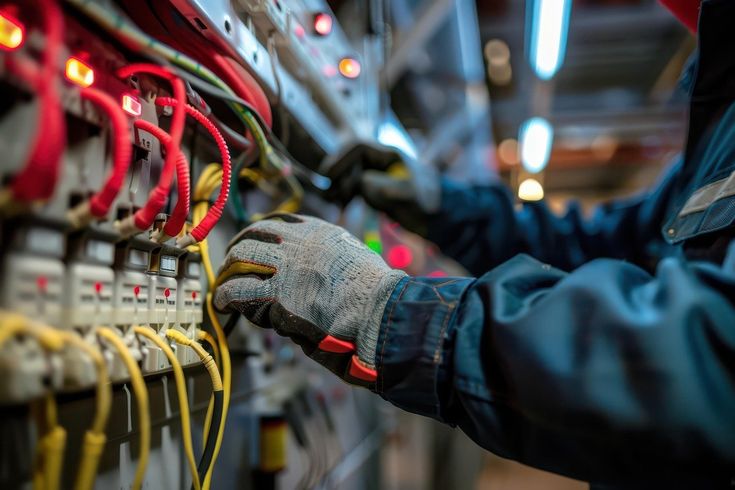
At the heart of an electrical system is the main breaker panel. This essential hub controls the entire power supply, offering the capability to shut off electricity during emergencies or maintenance activities. Circuit breakers within this panel serve as safety devices, cutting off power in response to overloads or short circuits — thereby protecting both the building and its occupants.
In larger commercial settings, multiple transformers and switchgear can distribute power through primary feeders or buses to different zones or floors, ensuring that all areas experience reliable power delivery.
Wiring and Protective Infrastructure
Electrical conductors run through protective conduits, which are installed within walls, ceilings, and floors. This shielding helps prevent damage to electrical wires from physical impacts and environmental conditions. Proper grounding and bonding techniques are also critical, providing safe pathways for any stray currents, thereby reducing the risk of electrical shocks and fires.
Installation Process
The installation of electrical systems is methodical and well-planned to ensure safety and efficiency. Here’s what the process typically involves:
Planning and Design Phase
Before installation can begin, electricians and engineers develop comprehensive electrical plans tailored to the specific building layout and power requirements. This includes calculating total wattage demands for all lighting and appliances, assessing load requirements to prevent overloads, and identifying high-power-demand areas such as HVAC systems.
Installation Steps
- Establish a service connection to bring power from the utility provider into the building.
- Install electrical wiring throughout the building using protective conduits.
- Connect wires to their respective circuit breakers in the main panel, ensuring proper circuit balancing.
- Install all electrical fixtures, outlets, switches, and lights and connect them to their designated circuits.
- Securely tighten, insulate, and label all connections for future maintenance.
Maintenance and Safety Considerations
To ensure long-term functionality, electrical systems demand precision installation alongside adherence to safety regulations. Here are key best practices for maintaining these systems:
Proper Wire Selection
It’s vital to choose wires that are suitable for your building’s power demands. An undersized wire can lead to overheating and potential fire risks.
Correct Grounding
Implementing effective grounding practices is crucial for safety, as it directs stray currents away from users and minimizes the risk of electrical shock.
Overload Prevention
Balanced circuit design helps prevent overloads. Regular assessments can help identify circuits that are carrying excess loads.
Regular Inspection and Testing
Performing routine inspections and functional testing can help detect issues before they escalate, ensuring that electrical systems remain operational and safe.
Proper labeling of fixtures and circuits aids in simplifying troubleshooting and maintenance, while securely mounting all electrical components enhances safety and accessibility for any future repairs or upgrades.
Practical Tips for Homeowners and Renters
As a homeowner or renter, you can take small steps to improve the safety and efficiency of your electrical systems:
- Utilize Electrical Safety Inspections: Schedule regular electrical safety inspections by a licensed electrician near you to identify potential issues and ensure compliance with safety standards.
- Upgrade the Electrical Panel: If your home is older or often experiences power issues, consider an electrical panel upgrade. This not only enhances safety but also allows for increased power capacity to support modern electrical demands.
- Install Whole House Surge Protection: Protect your electronics and appliances from power surges with a whole house surge protection system. This is particularly advantageous for those in storm-prone areas.
- Install Outlets Wisely: When installing new outlets or upgrading older ones, consider the locations carefully to ensure convenience and compliance with safety standards.
- Understand Circuit Breaker Operations: Familiarize yourself with your home’s circuit breaker panel. Knowing how to reset breakers or shut off power can be invaluable during emergencies.
- Test Smoke Detectors Regularly: Make it a habit to check smoke detectors monthly and replace batteries when needed.
- Hire Professional Electricians for Upgrades: Whether it’s for an EV charger installation or electrical wiring services, hiring the Electricians Service Team ensures that all work complies with local codes and is performed safely.
Conclusion
Understanding the core components and proper maintenance of electrical services for buildings is essential for both safety and functionality. By staying informed on best practices and scheduling regular inspections with professionals, homeowners and building managers can safeguard against electrical hazards while ensuring that their systems remain efficient and reliable.
If you’re looking to enhance your electrical systems or require urgent assistance, don’t hesitate to contact Electricians Service Team. Our dedicated team of licensed electricians is ready to assist you with everything from troubleshooting and maintenance to comprehensive electrical panel upgrades. Explore our services today and experience the peace of mind that comes with professional electrical care!