

Introduction
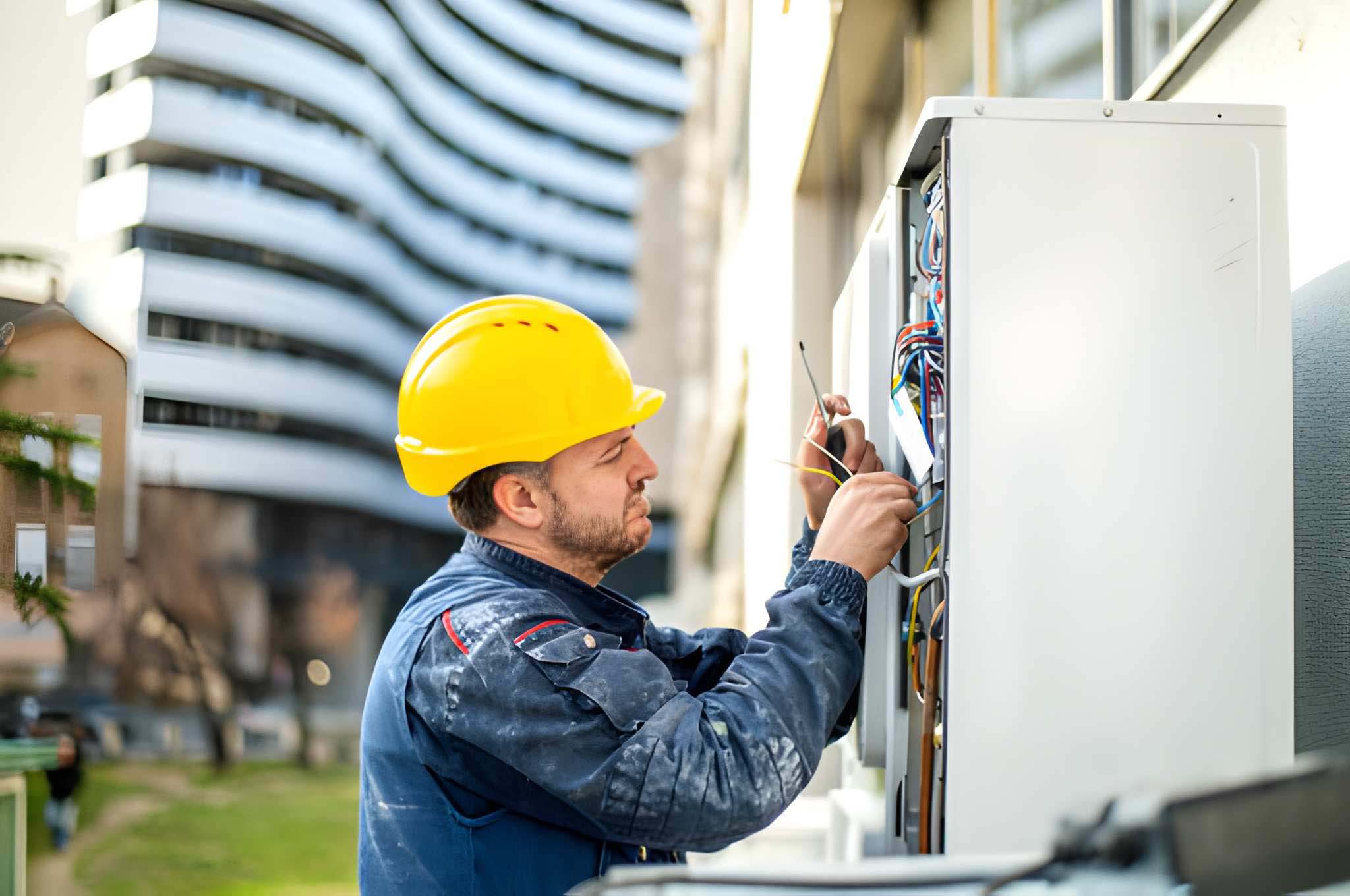
In the fast-paced world of industry, ensuring electrical safety is paramount. Industrial electrical maintenance services play a crucial role in safeguarding equipment and personnel against hazardous electrical failures. This article dives deep into best practices for maintaining electrical systems in industrial settings, empowering facility managers and workers with knowledge that can prevent electrical mishaps.
Table of Contents
- Understanding Industrial Electrical Maintenance
- Core Maintenance Practices
- Proper Grounding and Bonding
- Hazardous Energy Control
- Equipment and Tools Management
- Workspace Organization and Hazard Prevention
- Personal Protective Equipment (PPE)
- Employee Training and Certification
- Emergency Preparedness
- Regulatory Compliance
- Practical Tips for Homeowners and Renters
- Conclusion
Understanding Industrial Electrical Maintenance
Industrial electrical maintenance encompasses a series of proactive tasks, checks, and procedures aimed at ensuring the reliability and safety of electrical components within industrial facilities. By implementing effective maintenance practices, facilities can prevent serious electrical hazards such as electric shock, electrocution, fires, and explosions.
Core Maintenance Practices
Routine inspections and preventive maintenance lay the groundwork for effective electrical safety. It is critical for licensed electricians to conduct thorough inspections of wiring, panels, and electrical equipment. This practice helps detect signs of wear, damage, or corrosion early on. Regular visual checks and scheduled inspections can identify warning signs before they escalate to serious issues. Here are some essential aspects to include in routine inspections:
- Checking for frayed or exposed wiring
- Examining overloaded circuits or breakers
- Verifying proper labeling of circuits and panels
- Ensuring all outlets and junction boxes are secured and enclosed
- Inspecting grounding and bonding systems
- Testing emergency shutoff switches and backup systems
- Monitoring equipment for unusual heat or vibration
Proper Grounding and Bonding
Grounding and bonding are fundamental components of electrical safety. Grounding protects both equipment and personnel by providing a safe path for electrical current to dissipate. Bonding ensures all metal parts of the electrical system are connected, reducing the risk of electrical shock. Regular inspections must verify continuity between bonded components and test ground resistance, significantly enhancing safety.
Hazardous Energy Control
Implementing Lockout/Tagout (LOTO) procedures is essential for preventing accidental energization during maintenance or repairs. Effective LOTO involves shutting down and isolating all energy sources to equipment, applying lockout devices to energy-isolating mechanisms, tagging the devices with information about who applied the lock and why, and verifying that the equipment is de-energized before any maintenance begins.
According to OSHA standards, electrical equipment must be de-energized before any inspection or repair takes place. Consistent enforcement of LOTO procedures, along with employee training, can dramatically enhance workplace safety.
Equipment and Tools Management
Careful management of electrical panels is also crucial. Panels should be clearly labeled with circuit information to facilitate quick troubleshooting and maintenance. Regular inspections verify that panels are not overloaded and that all connections are secure. If necessary, licensed electricians can assess existing panel capacities and recommend upgrades, such as a breaker panel upgrade, to ensure that the system can handle current demands.
When it comes to tools, they must be well-maintained and rated for their intended use. Using insulated hand tools rated for the voltages present on-site is essential; otherwise, you increase the risk of electrical shock and arc faults. Regular inspections of extension cords and power strips for signs of wear or damage are also recommended to prevent overheating and fires.
Workspace Organization and Hazard Prevention
Maintaining organized workspace conditions directly correlates with electrical safety. Cluttered areas can obstruct access to electrical panels and equipment, complicating inspections while increasing the risk of accidents. Regular housekeeping and proper cable routing can enhance both safety and efficiency during troubleshooting.
Additionally, it’s vital to avoid overloading circuits. Running too many devices on a single circuit can lead to overheating and fires. Ensure proper circuit loading based on equipment specifications and load calculations when designing or modifying systems.
Personal Protective Equipment (PPE)
When working with or near electrical systems, wearing appropriate personal protective equipment (PPE) is non-negotiable. Industrial workers should use insulated gloves, safety glasses, and flame-resistant clothing to ensure utmost safety. Conducting a hazard assessment before starting work can help determine the best PPE suitable for the particular voltage levels and energy exposure.
Employee Training and Certification
Even the most advanced safety protocols are ineffective if the personnel are untrained. Therefore, continuous education and hands-on training in electrical safety are vital. Recommended training programs include OSHA courses for general safety awareness, NFPA 70E arc flash training, and specific lockout/tagout training. Regular updates of training materials and methods should be incorporated into onboarding processes for all new hires, especially those in maintenance, operations, or technical roles.
Emergency Preparedness
Every industrial facility must develop comprehensive emergency response plans that account for electrical fires, power outages, and equipment failures. Emergency preparedness should include documentation detailing the locations of fire extinguishers, switch-off procedures, evacuation routes, and first aid stations. Training staff in medical response and ensuring the availability of automated external defibrillators (AEDs) and first aid kits are also essential components of a robust emergency strategy.
Regulatory Compliance
Staying compliant with OSHA’s electrical standards is crucial for employee safety. These standards protect against unsafe equipment conditions, work environments, and industrial practices. Engaging licensed electricians for all electrical installations and maintenance work is fundamental for adhering to safety regulations and preventing devastating accidents.
Practical Tips for Homeowners and Renters
As valuable as this information is for industrial settings, homeowners and renters can also benefit from understanding the importance of electrical safety and maintenance. Here are some practical tips:
- Schedule Regular Electrical Inspections: Have a residential electrician conduct routine inspections to check for any potential issues, ensuring your home’s electrical system remains safe and efficient.
- Know When to Upgrade: If your home is older or you’ve added significant electrical loads (like an EV charger installation), consider a complete electrical panel upgrade or circuit breaker repair to keep pace with your power demands.
- Practice Electrical Safety: Keep cords out of high-traffic areas to prevent tripping hazards and wear. Regularly check appliances for frayed cords and signs of damage, replacing them as needed.
- Install Ground Fault Circuit Interrupters (GFCIs): Ensure that GFCI outlets are used in bathrooms, kitchens, and outdoor areas to prevent shock hazards.
- Emergency Preparedness: Just like in industrial settings, create an emergency plan for your home that includes safety measures for electrical fires or outages.
Conclusion
Implementing best practices for industrial electrical maintenance services is essential for safeguarding both equipment and personnel against electrical hazards. By following the core maintenance practices outlined above, including proper grounding, LOTO procedures, appropriate tool management, and dedicated employee training, industrial facilities can create safer working environments.
For a trusted and knowledgeable partner in electrical maintenance, look to Electricians Service Team. Our licensed electricians have the expertise necessary to keep your facility safe and compliant with all regulations. Whether you require emergency electrician services, residential wiring, or commercial electrical services, we are here to help.
Call to Action
Don’t leave your electrical safety to chance. Contact Electricians Service Team today for a comprehensive electrical safety inspection, routine maintenance, or any emergency needs. We are dedicated to providing superior service to ensure that your electrical systems function safely and efficiently. Explore our services and ensure that your electrical safety is in expert hands.


