

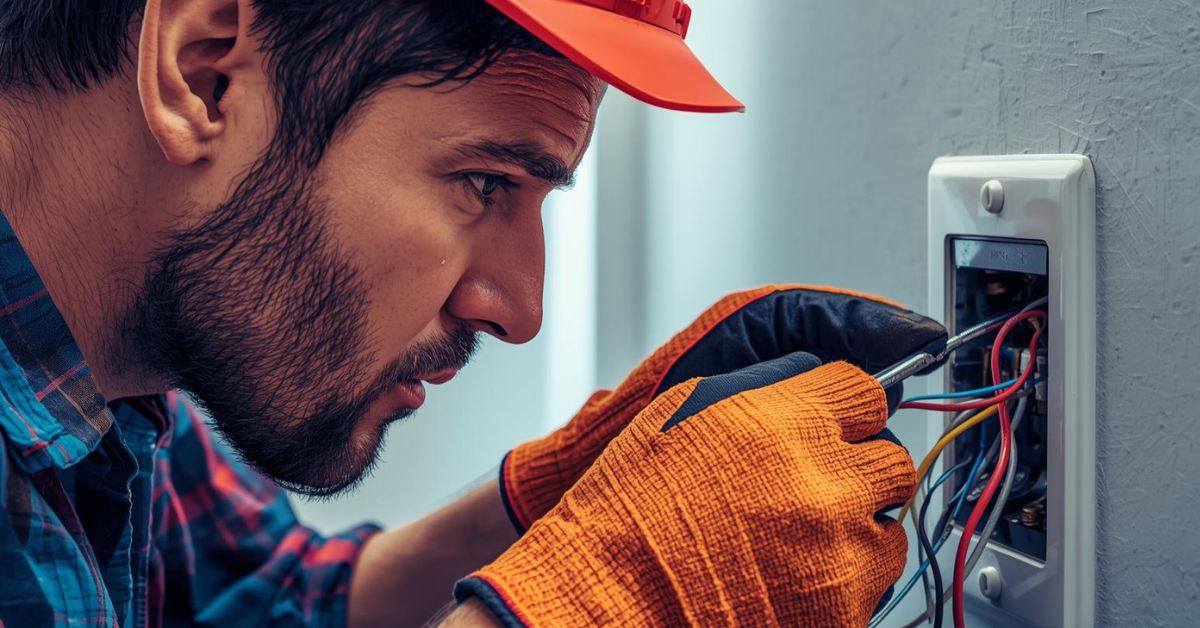
Spring brings renewal, warmer temperatures, and increased energy usage inside homes. As appliances run more frequently and humidity levels fluctuate, hidden electrical issues can quickly escalate into serious safety concerns. Understanding outlet replacement spring safety hazards is critical to protecting your home, appliances, and family from unexpected risks.
At Electricians Service Team, we emphasize proactive care, strategic upgrades, and expert evaluations to eliminate hazards before they become emergencies. Below, we outline the most dangerous outlet-related risks homeowners face during spring—and how to resolve them effectively.
1. Loose and Worn-Out Outlets That Cause Power Instability
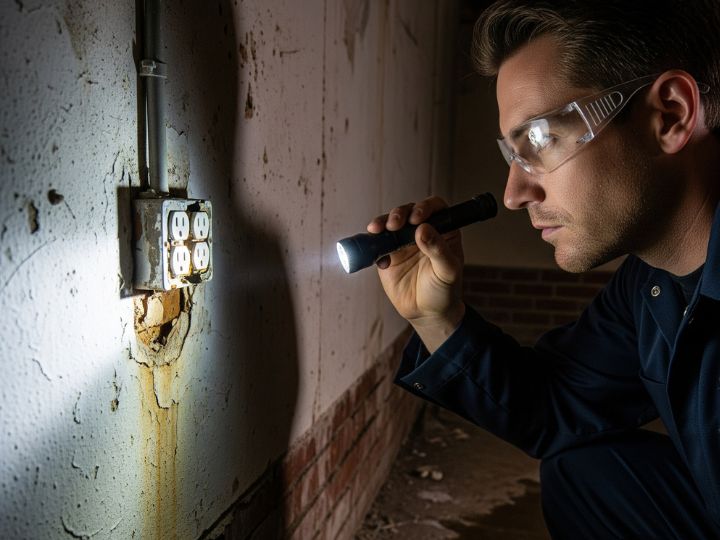
Electrical outlets degrade over time due to repeated use, temperature changes, and environmental exposure. During spring, expanding materials and increased humidity can worsen existing wear.
A loose outlet is more than an inconvenience—it is a serious safety risk. When plugs fail to sit securely, they can create intermittent electrical contact, leading to:
- Sparking when plugging in devices
- Flickering power supply
- Increased heat buildup inside the outlet
These conditions contribute to long-term damage and may escalate into fire hazards if ignored.
Warning signs to watch for:
- Plugs slipping out easily
- Crackling or buzzing sounds
- Discoloration around the outlet face
✅ Solution: Upgrading to modern outlets for appliance efficiency ensures a tighter connection, better energy flow, and improved durability under seasonal stress.
2. Overloaded Circuits and Hidden Overheating Risks
Spring cleaning often means plugging in multiple devices at once—vacuums, air purifiers, fans, and outdoor tools. This sudden surge in demand can overload circuits and push outlets beyond their safe capacity.
One of the most overlooked dangers is electrical socket fire risks home, which often begins with unnoticed overheating inside the outlet.
Common causes include:
- Using extension cords excessively
- Plugging high-wattage appliances into a single outlet
- Aging wiring unable to handle modern electrical loads
To reduce these risks, follow a circuit plug overheating prevention checklist:
- Avoid daisy-chaining multiple power strips
- Unplug unused appliances
- Distribute devices across multiple outlets
- Upgrade outdated electrical systems
According to the U.S. Consumer Product Safety Commission (CPSC), electrical outlets and overloaded circuits are a leading cause of residential electrical fires, especially when multiple high-wattage devices are used at once.
✅ Solution: If your circuit frequently trips or feels warm to the touch, it’s time to consider circuit breaker repair to restore safe and balanced power distribution.
3. Moisture Exposure from Spring Humidity and Cleaning
Spring humidity levels rise significantly, and deep cleaning activities often involve water near electrical outlets. This combination creates a dangerous environment for electrical systems.
Moisture intrusion can lead to:
- Short circuits
- Corrosion of internal wiring
- Unexpected power surges
Outlets in kitchens, bathrooms, garages, and outdoor spaces are especially vulnerable.
To safeguard your home:
- Install GFCI (Ground Fault Circuit Interrupter) outlets
- Ensure proper sealing around outlet covers
- Avoid using appliances near wet areas
✅ Solution: Professional outlet installation ensures all moisture-prone areas are equipped with the right protective devices to prevent electrical accidents.
4. Outdated Wiring That Cannot Support Modern Appliances
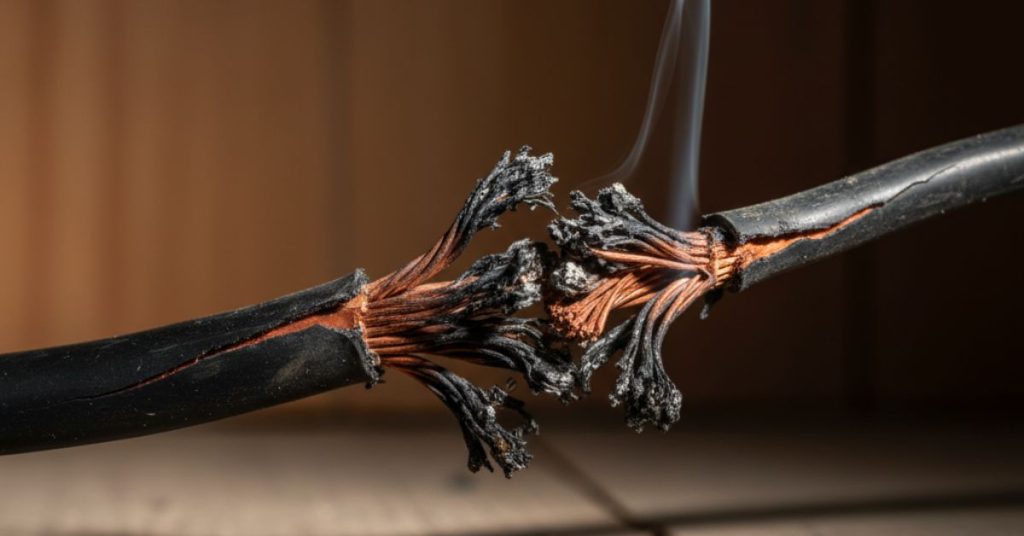
Many homes still rely on outdated electrical systems that were not designed for today’s high-powered appliances. Spring usage patterns often expose these limitations.
When wiring cannot handle increased demand, it leads to:
- Frequent breaker trips
- Voltage fluctuations
- Overheating behind walls
The U.S. Department of Energy (Energy Saver program) recommends regular home electrical system inspections and upgrades to improve both safety and energy efficiency, especially in aging homes.
Following a residential wiring inspection tips guide is essential:
- Check for aluminum or outdated wiring materials
- Inspect outlets for burn marks or unusual smells
- Evaluate circuit capacity for modern appliances
✅ Solution: Investing in professional wiring services ensures your home’s electrical system is upgraded to meet current safety standards and seasonal demands.
5. Improper Repairs and DIY Electrical Work
Attempting to fix outlet issues without proper expertise often leads to more severe hazards. Spring is a common time for DIY projects, but electrical systems require precision and compliance with strict safety codes.
Incorrect repairs can result in:
- Loose connections inside walls
- Miswired outlets
- Increased risk of electrical shock
Instead of temporary fixes, rely on expert outlet replacement services to ensure safe and long-lasting solutions.
For homeowners looking to improve overall safety habits, Top Electrical Safety Tips Every Homeowner Should Know provides practical guidance for preventing avoidable electrical mistakes.
✅ Solution: Professional electricians also provide comprehensive residential electrical services, addressing underlying issues rather than just surface-level symptoms.
Why Spring Is the Most Critical Time for Electrical Safety
Seasonal transitions place unique stress on electrical systems. Temperature fluctuations, increased appliance use, and environmental changes all contribute to higher risks.
Key seasonal factors include:
- Humidity affecting wiring integrity
- Increased indoor and outdoor electrical usage
- Dust and debris buildup during cleaning activities
Addressing spring outlet safety hazards early prevents costly repairs and ensures uninterrupted power throughout the season.
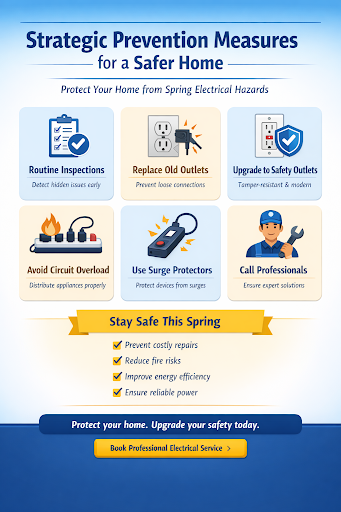
Strategic Prevention Measures for a Safer Home
Preventing outlet hazards requires a combination of awareness, maintenance, and professional support. Homeowners can significantly reduce risks by implementing these practical steps:
When to Call the Experts
Certain warning signs indicate the need for immediate professional attention:
- Persistent burning smell near outlets
- Warm or hot outlet surfaces
- Frequent breaker trips
- Visible sparks or smoke
Delaying repairs in these situations can lead to severe consequences. Partnering with experienced electricians ensures accurate diagnosis and reliable solutions.
At Electricians Service Team, we deliver comprehensive electrical care tailored to seasonal demands. Our team specializes in advanced diagnostics, safe installations, and long-term system upgrades designed to protect your home year-round.
Conclusion: Prioritize Safety Before Problems Escalate
Electrical outlet hazards are often silent but dangerous. Spring presents the perfect opportunity to identify risks, upgrade outdated components, and reinforce your home’s electrical safety.
By addressing these five critical hazards, homeowners can prevent damage, reduce energy waste, and ensure a secure living environment. Trust expert solutions, invest in quality upgrades, and stay ahead of potential issues before they become emergencies.
Protect your home. Upgrade your safety. Book now for dependable, professional electrical solutions today.
FAQs
Loose outlets, overloaded circuits, moisture exposure, outdated wiring, and DIY repairs are the most common hazards during spring.
Look for warning signs like heat, burning smells, sparks, discoloration, or loose plugs.
Increased humidity, cleaning activities, and appliance usage place extra stress on electrical systems.
DIY repairs are risky and can lead to more serious issues. It’s best to hire a licensed electrician.
Immediately call an expert if you notice sparks, overheating, burning smells, or frequent power interruptions.


