
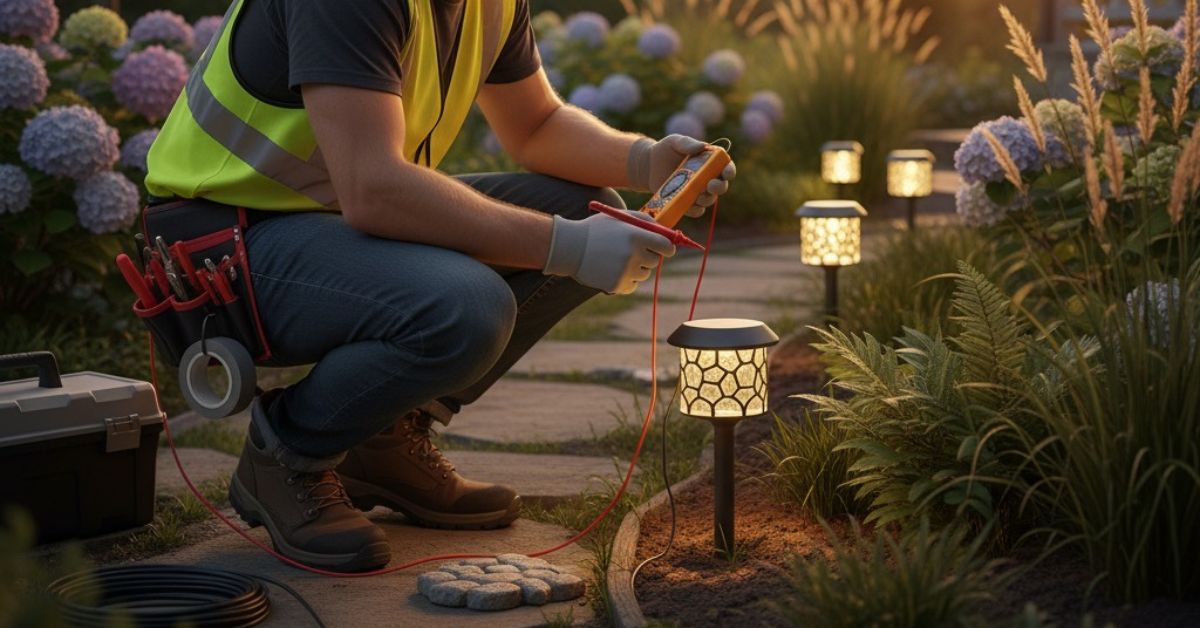
Following essential outdoor electrical safety tips helps prevent shocks, fires, and accidents. Always use weatherproof outlets, inspect cords for damage, keep electrical devices dry, and hire professionals for outdoor wiring to ensure safe, long-lasting electrical performance.
Key Takeaways:
- Use weatherproof outlets
- Inspect cords regularly
- Keep electrical devices dry
- Hire licensed electricians for outdoor work
Ensuring electrical safety outdoors is crucial for every homeowner, contractor, and property manager. Outdoor electrical hazards are more common than most realize, often resulting from weather exposure, improper installation, or outdated systems. Following comprehensive outdoor electrical safety tips can protect your property, family, and staff from injuries, fires, and costly damages.
Understand the Risks of Outdoor Electrical Systems
Outdoor electrical systems face unique challenges compared to indoor installations. They are constantly exposed to:
- Rain, snow, and humidity that can corrode wiring and connectors
- UV radiation from the sun, degrading insulation over time
- Temperature fluctuations causing expansion and contraction of materials
- Animal interference, such as rodents chewing through wiring
These conditions increase the risk of short circuits, electrical fires, and shocks. Identifying and mitigating these risks early is essential.
Inspect and Maintain Outdoor Electrical Outlets Regularly
Regular inspection of outdoor outlets and receptacles is a fundamental safety practice. Outdoor outlets must be GFCI-protected to prevent electrical shock. When inspecting:
- Look for cracked or damaged covers that expose wiring
- Check for loose or corroded connections
- Ensure proper grounding to prevent stray currents
- Replace outdated outlets that do not meet modern safety standards
Routine inspections reduce the risk of accidents and prolong the life of your electrical components. For complex issues or replacements, consider hiring professional outlet services to ensure everything meets safety codes and functions reliably.
Use Weather-Resistant Electrical Fixtures
Outdoor fixtures, such as lights, fans, and pumps, must be designed for exterior use. Choose weather-resistant and corrosion-proof materials. Important considerations include:
- Waterproof enclosures for junction boxes and switches
- IP-rated fixtures indicating dust and moisture protection
- UV-resistant plastics or powder-coated metals to prevent sun damage
These measures ensure your electrical installations remain safe and functional through all seasons. Prioritizing outdoor light wiring safety when installing or maintaining fixtures further reduces the chance of corrosion, short circuits, or electrical faults caused by exposure to moisture and debris.
Practice Safe Extension Cord Usage
Extension cords are common in outdoor settings but often misused. To ensure safety:
- Use outdoor-rated cords with proper insulation
- Avoid overloading circuits, which can lead to overheating
- Never run cords through water-prone areas or buried underground unless rated for such use
- Regularly check for frays, cuts, or exposed wires
Following these rules prevents common hazards, including electric shocks and fires.
Install Surge Protection Devices
Outdoor electrical systems are vulnerable to voltage spikes from storms or grid fluctuations. Installing surge protectors can safeguard sensitive equipment like pumps, outdoor kitchens, and lighting systems. Key practices include:
- Installing whole-house surge protection at the main panel
- Using localized surge protectors for high-value outdoor devices
- Regularly inspecting surge devices for signs of wear or failure
These protective measures can save thousands in repairs and replacement costs. Learn more about surge protection and how it safeguards your home from Electrical Safety Foundation International (ESFI).
Ensure Proper Lighting for Safety and Visibility

Outdoor lighting is not only for aesthetics but also for safety. Poorly lit areas increase the risk of tripping or accidental contact with electrical fixtures. Best practices include:
- Installing motion-sensor lights near pathways and entryways
- Using LED lighting to reduce heat and energy consumption
- Ensuring lights are secured and mounted at safe heights away from water or vegetation
Well-planned lighting improves safety and deters potential intruders. Explore some outdoor ambient lighting ideas to elevate your evenings while creating a safe, welcoming, and visually appealing environment.
Maintain Electrical Panels and Disconnects
Outdoor electrical panels must be weatherproof and easily accessible. Regular maintenance ensures proper function and safety:
- Inspect panels for rust, corrosion, and signs of water infiltration
- Test disconnects to ensure quick shut-off during emergencies
- Keep the area around panels clear of debris, plants, and moisture
Properly maintained panels reduce the likelihood of overloads and dangerous electrical faults.
Implement Safe Landscaping Around Electrical Equipment
Landscaping can affect the safety of outdoor electrical installations. Key tips include:
- Keep trees and shrubs trimmed away from overhead wires
- Avoid planting water-intensive gardens near electrical outlets
- Maintain a clear zone around transformers, junction boxes, and meters
By integrating safety into landscaping, you minimize hazards and maintain easy access for maintenance.
Educate Family and Workers on Electrical Safety

Awareness and training are critical. Ensure that everyone who interacts with outdoor electrical systems understands the risks:
- Teach children never to touch outlets or cords
- Train employees on emergency shut-off procedures
- Encourage reporting of frayed wires or malfunctioning devices
Knowledgeable users significantly reduce the risk of accidents and damage.
Prepare for Storms and Severe Weather
Outdoor electrical safety must account for storms, high winds, and flooding:
- Install ground-fault protection on all outdoor circuits
- Ensure backup generators are properly grounded
- Avoid using outdoor electrical devices during lightning or heavy rain
- Secure all fixtures and cords to prevent damage from wind or debris
Being proactive ensures both safety and operational continuity.
Regular Professional Inspections
Even with diligent maintenance, professional inspections are indispensable:
- Licensed electricians can identify hidden hazards
- Verify code compliance for new installations or renovations
- Ensure all outdoor wiring, panels, and fixtures meet current safety standards
- Detect early signs of wear or moisture damage before they become serious issues
- Provide expert recommendations for upgrades to enhance energy efficiency and safety
Annual inspections can prevent accidents and provide peace of mind for homeowners and businesses alike.
Who to Call for Professional Electrical Services
For dependable and safe outdoor electrical solutions, trust Electricians Service Team. Our licensed electricians specialize in outdoor wiring, lighting, outlet installations, and comprehensive inspections to ensure your property meets all safety standards. We use high-quality, weather-resistant materials designed for long-lasting performance.
Whether you’re upgrading your landscape lighting, adding new outlets, or scheduling maintenance, Electricians Service Team delivers reliable, code-compliant, and efficient results. Contact us today for expert professional outlet services and complete outdoor electrical safety solutions.
Conclusion
Outdoor electrical safety is more than just routine maintenance—it’s a commitment to protecting your home, family, and property from preventable hazards. By choosing weather-resistant materials, performing regular inspections, and understanding how environmental conditions impact your system, you ensure reliable and long-lasting electrical performance all year round.
Whether upgrading outdoor lighting, adding new outlets, or preparing for storm season, professional expertise makes all the difference. Trust Electrician Service Team to keep your property code-compliant, efficient, and safe.
Book now and check our financing program to make your next electrical project stress-free and affordable.
FAQs
Outdoor outlets should be inspected at least twice a year, ideally before and after severe weather seasons. Regular checks help identify damage, corrosion, or loose connections early to prevent electrical hazards.
GFCI outlets protect against electrical shocks by quickly shutting off power when a ground fault is detected. They are essential for all outdoor circuits where moisture exposure is likely.
No, only outdoor-rated extension cords should be used, as they are designed to resist moisture, UV rays, and temperature changes. Using indoor cords outside increases the risk of overheating, shocks, and fires.
Install weather-resistant fixtures and secure all wiring away from water, vegetation, and high-traffic areas. Prioritizing outdoor light wiring safety also helps prevent corrosion and electrical faults over time.
Always hire a professional for installing, upgrading, or repairing outdoor wiring, panels, or fixtures. Licensed electricians ensure compliance with safety codes and reduce the risk of accidents or costly damage.


