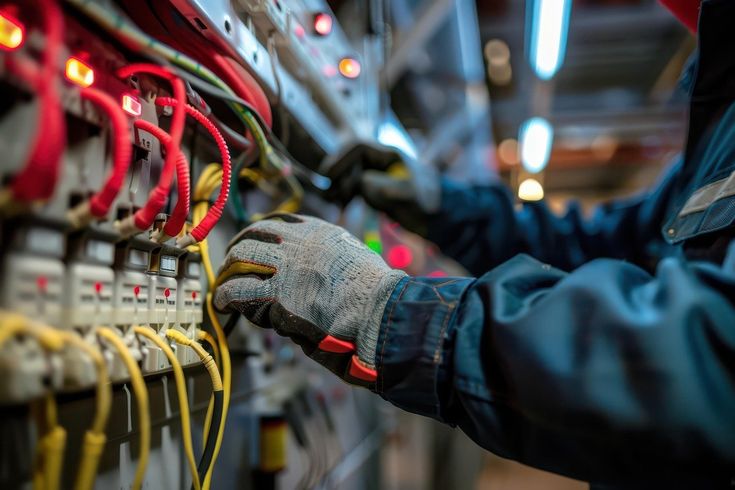
As electric vehicles (EVs) become more popular, many homeowners are considering installing home EV chargers to ensure they can efficiently charge their vehicles. However, understanding the EV charger installation requirements is crucial for a successful and safe setup. This blog post will guide you through the essential preparations needed for your home EV charger installation, whether you’re just starting to research or are ready to make the leap into EV ownership.
Table of Contents
- Understanding Your Electrical Needs
- Securing Permits and Inspections
- Choosing the Right Location for Your EV Charger
- Types of EV Chargers
- Steps for Professional Installation
- Preparing for Potential Upgrades
- Understanding Cost Considerations
- The Importance of Professional Installation
- Tips for Homeowners and Renters
- Explore Our Services
- FAQ
- Conclusion + CTA
Understanding Your Electrical Needs
Before diving into the installation process, it’s vital to assess your home’s existing electrical capacity. Most homes today are equipped with a 200-amp electrical service panel, which is typically sufficient for an EV charger. However, if you live in an older home, you may only have a 100-amp panel or less. In this case, you should contact a licensed electrician near you from Electricians Service Team to perform a comprehensive load calculation. This assessment will determine if your current panel can support the additional load from an EV charger or if an electrical panel upgrade is necessary.
Securing Permits and Inspections
Most jurisdictions require a permit for installing a new EV charging circuit to comply with the National Electrical Code (NEC) and local building codes. Generally, a licensed electrician will help you navigate this process. They will typically secure the necessary permits and handle inspections to ensure the installation is compliant and safe.
If you plan to modify your garage or parking area to facilitate EV charging, you may also require a building permit. The team at Electricians Service Team is experienced in understanding local regulations and can assist you in obtaining all required permits.
Choosing the Right Location for Your EV Charger
Once you’ve assessed your electrical needs and secured the necessary permits, it’s time to choose an optimal installation location. Here are several factors to consider:
- Proximity to Your EV: Selecting a location close to where you park your EV minimizes power loss and reduces tripping hazards due to extension cords.
- Indoor vs. Outdoor Installation: If you choose an outdoor installation, ensure the charger has weatherproof protection and is installed at a height that is easily accessible.
- Flexibility for Future Needs: Consider if the location can accommodate future modifications, such as multiple vehicles or changes in parking arrangement.
- Distance from Your Electrical Panel: Be mindful of the cable run limits set by different EV charger providers—most standard installations allow for up to 15 meters of cable.
Types of EV Chargers
When selecting a charger, you’ll likely consider two configurations:
- Plug-in Charger: This option requires a NEMA 14-50 outlet, which must be installed by a licensed electrician. Once the outlet is ready, plugging in the charger is straightforward. If you’re looking for a less invasive installation, this type works well for chargers up to 40 amps.
- Hardwired Charger: For chargers rated at 50 amps and above, a hardwired setup connected directly to your home’s electrical system is essential. This installation should be performed exclusively by professionals for safety reasons.
Steps for Professional Installation
The installation process for an EV charger involves several steps to ensure safety and compliance. Here are the typical steps that we follow at Electricians Service Team:
- Initial Electrical Assessment: A licensed electrician will check your home’s capacity to determine whether an upgrade is necessary.
- Location Selection: The installation site will be chosen based on accessibility, electrical requirements, and future flexibility.
- Permit Acquisition: Your electrician will handle securing all necessary permits through the local building department.
- Hardware Installation: The charger will be securely mounted to a wall at an appropriate height for easy access.
- Electrical Work: This includes either connecting a NEMA outlet for a plug-in charger or hardwiring for permanent installations.
Preparing for Potential Upgrades
As you prepare for your EV charger installation, be mindful that several upgrades might be necessary. These could include:
- Running a dedicated circuit from the breaker panel to a new 240V outlet.
- Adding a new 240V circuit if your current panel lacks sufficient breaker space or capacity.
- Ensuring all wiring meets code standards and can handle the required electrical load.
Understanding Cost Considerations
Cost is an important factor in EV charger installation. On average, installation costs can range from $1,000 to over $3,000, influenced by the complexity of the work required. For instance, installing a dedicated receptacle for a plug-in charger tends to be cheaper than a hardwired installation, where trenching can increase labor costs if the charging location is far from your main electrical panel.
The costs associated with a new 240V outlet alone can be $750 to $1,500, excluding any electrical upgrades or additional work you may need. It’s essential to account for potential expenses such as:
- Long cable runs
- Upgrades to the electrical panel
- Installation of a pedestal for the charger
- Concealing cables behind walls
The Importance of Professional Installation
Engaging a licensed electrician, such as those from Electricians Service Team, ensures your charger is installed safely and effectively. Professionals are trained to confirm proper grounding, check the quality of outlets, and make sure that all work meets local building codes and safety standards. Professional installation significantly reduces the risk of electrical failures and enhances the longevity of your new EV charger.
Tips for Homeowners and Renters
If you’re considering installing an EV charger, here are some practical steps you can take to prepare:
- Conduct a Preliminary Assessment: Look at your current electrical system and see how it might handle an additional load. Knowing your capacity can save you time and expenses in the long run.
- Research Local Codes: While your electrician can navigate this for you, being informed about your local regulations regarding EV charger installations can help in understanding the requirements.
- Consult with Professionals: Reach out to Electricians Service Team for a consultation and to learn more about how we can assist you with EV charger installation and upgrades.
Explore Our Services
At Electricians Service Team, we are committed to providing high-quality, reliable electrical solutions tailored to your needs. Whether you’re looking for outlet installation, circuit breaker repair, or a full electrical safety inspection, our licensed electricians are here to help you.
Contact us today to learn more about EV charger installation or to schedule a consultation! We look forward to assisting you in preparing your home for this exciting transition to electric driving.
FAQ
What is the average cost of installing an EV charger?
On average, installation costs range from $1,000 to over $3,000, depending on the complexity of the work.
Do I need a permit to install an EV charger?
Yes, most jurisdictions require a permit to comply with electrical codes.
How do I choose the right location for my EV charger?
Choose a location close to where you park, consider indoor vs. outdoor installation, and think about future flexibility.
Can I install the charger myself?
It is recommended to hire a licensed electrician for safety and compliance reasons.
What upgrades might be necessary for my electrical panel?
You may need to add a new circuit or upgrade to a larger panel to accommodate the charger.
How long does the installation process take?
The installation duration can vary, but typically it takes a few hours to complete.
What should I consider for future EV needs?
Consider a location that can accommodate multiple vehicles or changes in parking arrangements.
Conclusion + CTA
In conclusion, evaluating your electrical system, securing the necessary permits, and choosing the right installation site are essential steps in preparing for your home EV charger installation. Engaging a professional service like Electricians Service Team ensures your installation will be safe, efficient, and compliant with local codes.
To get started, contact us today or call (800) 568-8664 to schedule a consultation!