

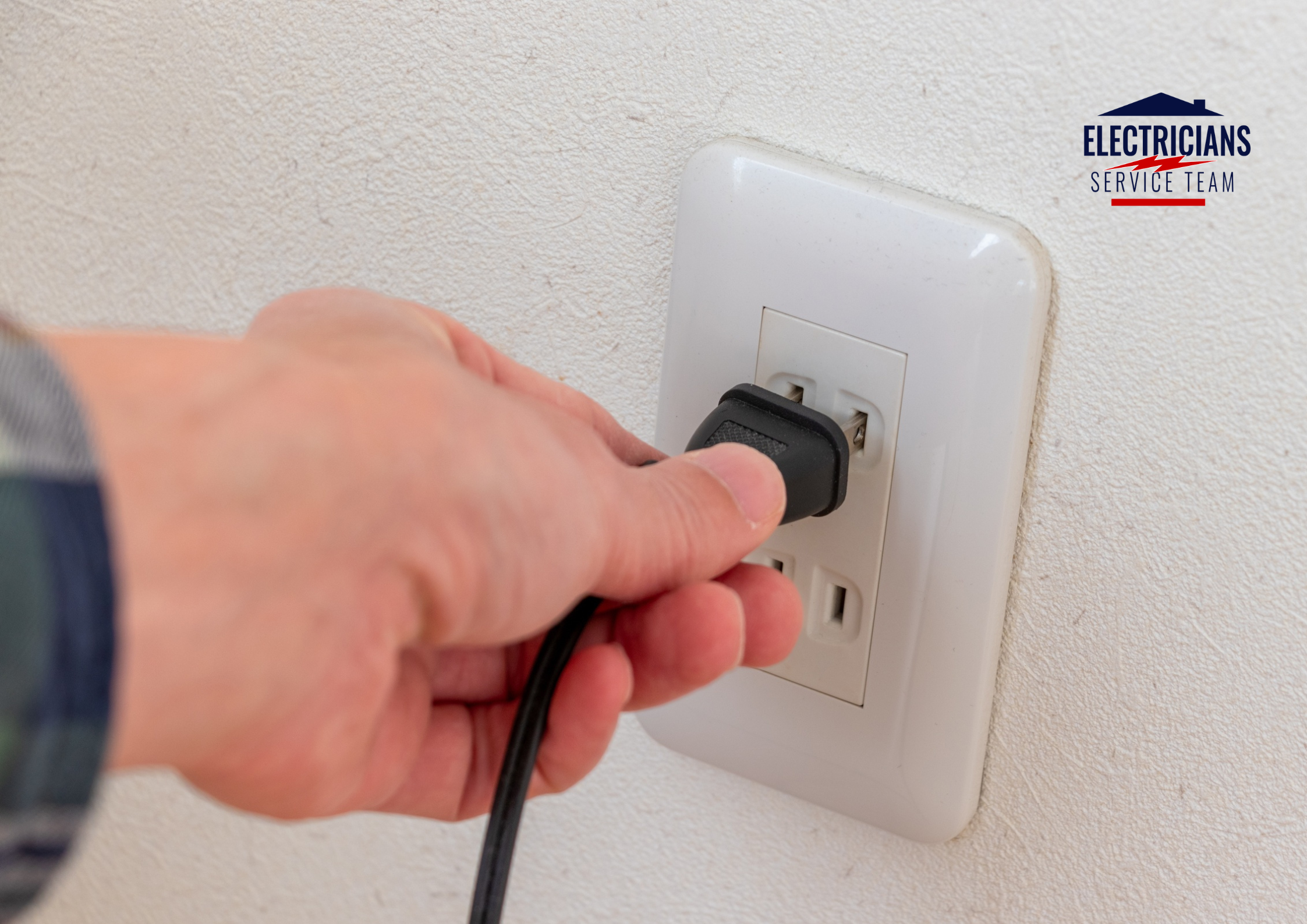
A burning smell coming from an electrical outlet is one of the most serious warning signs your home can give you. Every year, electrical fires cause billions of dollars in property damage and hundreds of deaths across the United States. The scary part? Most of them start silently — inside walls, behind outlets, and in panels — long before anyone sees a flame.
If you’re smelling something burning near an outlet, a switch, or your electrical panel, don’t brush it off. Here’s exactly what to do.
Why Does Electrical Wiring Smell Like It's Burning?
Before diving into the steps, it helps to understand what you’re actually smelling. Electrical burning odors are caused by:
- Overheated wiring insulation melting or scorching inside walls
- Faulty outlets or switches arcing internally
- Overloaded circuits generating excess heat
- Loose wire connections causing resistance and heat buildup
- Failing electrical panels with worn breakers or outdated wiring
- Burning dust on baseboard heaters or electric appliances during first seasonal use
Some of these are minor. Others are life-threatening emergencies. The problem is, you can’t always tell which one you’re dealing with from smell alone — which is exactly why the steps below matter.

5 Immediate Steps to Take When You Smell Burning Electricity
Step 1: Stop What You're Doing and Locate the Source
The first thing to do is stay calm and try to identify where the smell is coming from. Walk through each room and pay attention to:
- Outlets and light switches — feel for warmth without touching directly
- Your electrical panel or breaker box
- Any appliances that were recently plugged in or turned on
- Areas near recessed lighting, ceiling fans, or older wiring
Do not put your face close to outlets or stick anything inside them. If you notice any visible scorch marks, discoloration, or sparking near any outlet or switch, move to Step 3 immediately.
Step 2: Unplug Devices and Turn Off Nearby Switches
If you can safely identify a general area where the smell is coming from, unplug any devices in that zone and turn off the wall switches. Many burning smells are caused by a single failing appliance or overloaded power strip rather than your home’s wiring.
Once you’ve unplugged everything, wait a few minutes and check if the smell fades. If it does, the culprit is likely a device rather than your wiring — but you should still have the outlet inspected before using it again.
If the smell persists or gets stronger after unplugging devices, that’s a serious red flag. Move to Step 3.
Step 3: Shut Off the Circuit at the Breaker Box
If the smell is persistent, strong, or you can’t identify a single appliance causing it, go to your electrical panel and shut off the circuit breaker for the affected area. If you’re unsure which breaker controls the area, shut off the main breaker entirely.
Signs you should shut off the main breaker immediately:
- The smell is coming from the panel itself
- You smell burning in multiple rooms at once
- You hear crackling or buzzing sounds inside walls
- Any outlet or switch feels hot to the touch
- You see flickering lights in addition to the smell
Cutting power removes the immediate risk of ignition while you assess the situation.
Step 4: Check for Visible Signs of Fire or Smoke
Once power is off to the affected area, do a careful visual check:
- Look for smoke coming from outlets, switches, or light fixtures
- Check the wall surface around outlets for warmth or discoloration
- Look at the ceiling and baseboards for any signs of smoke staining
- Check your electrical panel for scorch marks, melted plastic, or tripped breakers
If you see smoke, flames, or smell intensifying even with power off — leave the house immediately and call 911. Electrical fires can smolder inside walls for hours before breaking through. Never assume it’s out just because you can’t see flames.

Step 5: Call a Licensed Electrician Before Restoring Power
This is the step most homeowners skip — and it’s the most important one. Even if the smell fades and everything looks fine, do not restore power to the affected circuit until a licensed electrician has inspected it.
Here’s why: the burning smell means something inside your wiring, outlet, or panel reached a dangerous temperature. That damage doesn’t undo itself. Burned insulation, loose connections, and arcing wire are all still there — just waiting for the next time current runs through them.
A licensed electrician will:
- Use thermal imaging to detect heat inside walls
- Test outlet wiring and connections for damage
- Inspect your breaker panel for signs of overheating
- Identify and repair the root cause — not just the symptom
- Ensure your home meets current electrical code
Common Causes of Burning Electrical Smells by Location
Burning Smell From an Outlet
Usually indicates a failing outlet, loose wiring connection, or overloaded circuit. Outlets can arc internally without any visible signs. Any outlet with a burning smell should be replaced and the wiring behind it inspected.
Burning Smell From the Electrical Panel
This is a high-priority emergency. Panel burning smells indicate failing breakers, overloaded circuits, or loose bus bar connections. Older panels — especially Federal Pacific, Zinsco, or fuse box panels — are known fire hazards and should be evaluated immediately.
Burning Smell From Light Switch
Often caused by a worn switch that’s arcing internally, an overloaded dimmer switch, or incorrect wiring. Light switches are inexpensive to replace but the wiring behind them needs inspection before assuming the fix is simple.
Burning Smell From the Ceiling or Walls
One of the more alarming scenarios. This typically points to wiring inside the wall overheating, which can be caused by a nail or screw penetrating a wire, overloaded circuits, or failing junction boxes hidden inside the wall.
Burning Smell From Appliances
If the smell is clearly tied to a single appliance — a microwave, toaster, space heater, or washer — unplug it immediately and stop using it. Appliance motors and internal wiring can fail and create fire risks independent of your home’s electrical system.
Warning Signs You Should Never Ignore
Even if you don’t currently smell burning, these electrical warning signs mean it’s time to call an electrician:
- Outlets or switches that feel warm to the touch
- Frequent tripped breakers on the same circuit
- Flickering or dimming lights with no obvious cause
- Buzzing, crackling, or sizzling sounds from walls or outlets
- Outlets with scorch marks or discoloration
- Breakers that won’t stay reset
- A home older than 30 years that has never had an electrical inspection

Conclusion
A burning electrical smell is never something to investigate casually or put off until next week. It’s your home’s earliest warning system telling you something is wrong inside your wiring before it becomes a fire. The five steps above take less than ten minutes and could save your home — and your family.
When in doubt, cut the power and call a licensed electrician. It’s always the right call.
FAQs
The smell may fade, but the underlying problem doesn’t. Burned insulation, arcing connections, and damaged wiring remain hazardous even after the odor dissipates. Never assume the problem resolved itself.
Not always — sometimes it’s just dust burning off a heater at the start of the season. But because you can’t know for certain without inspection, treat every persistent electrical burning smell as a potential emergency.
Most people describe it as a sharp, acrid smell similar to burning plastic, hot metal, or singed rubber. It’s distinct from food burning or candle smoke — if you’ve smelled it once, you’ll recognize it immediately.
Electrical fires are one of the leading causes of residential house fires in the United States, accounting for tens of thousands of fires annually. The majority are preventable with proper inspection and maintenance.
A standard electrical inspection typically costs between $100 and $300 depending on your location and the size of your home. Given that electrical fires can cause total loss of a home, it’s one of the most cost-effective safety investments you can make.


