
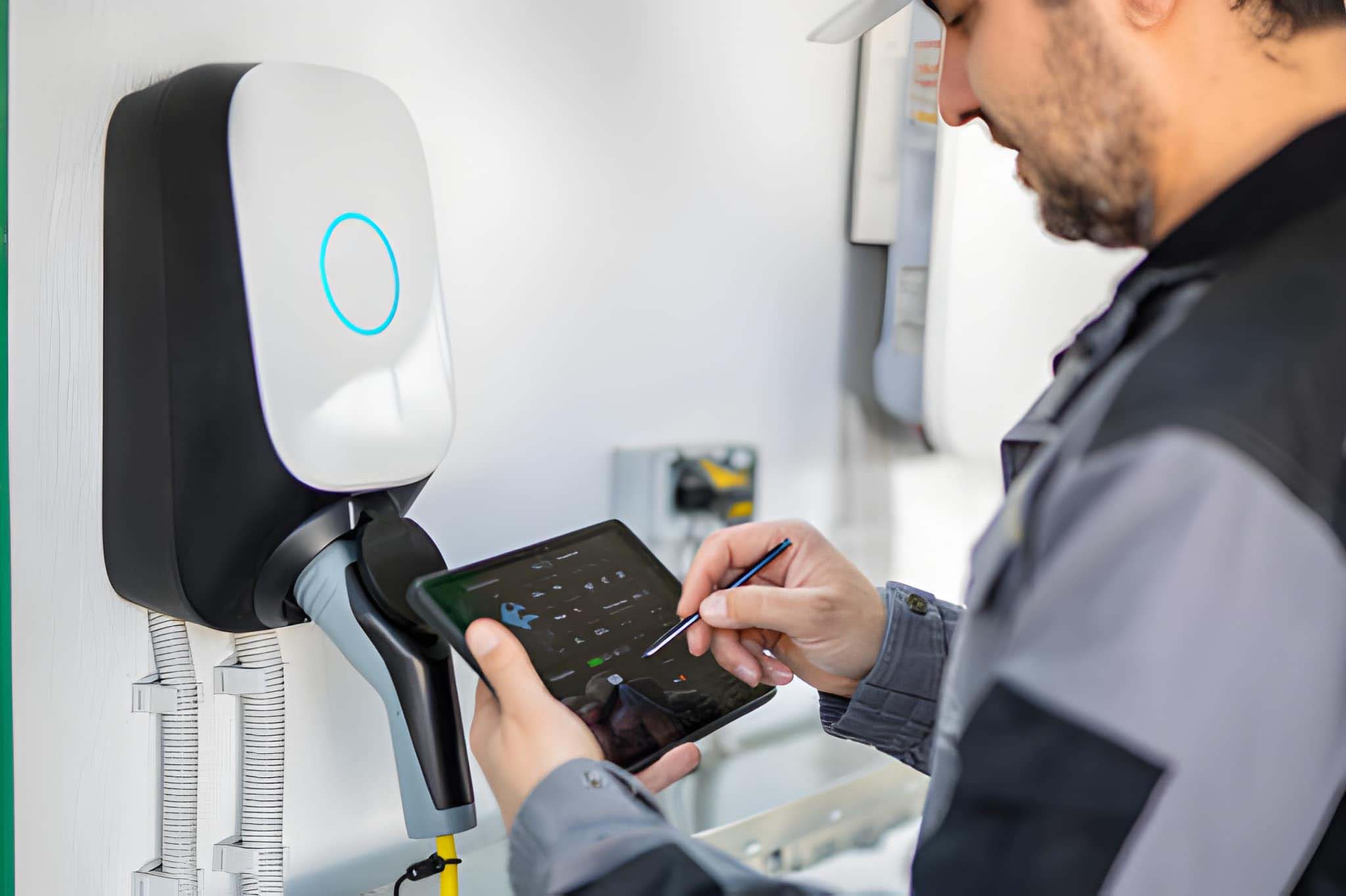
EV Charger Installation at Home: Permits, Codes, and Safety
As electric vehicles (EVs) rapidly gain popularity, many homeowners are considering the installation of EV chargers at home. Choosing the right EV charger installation is critical not only for the convenience of charging your vehicle but also for ensuring compliance with local codes and safety regulations. In this post, we’ll explore the essential aspects of EV charger installation, including necessary permits, electrical codes, and safety considerations. This guide is designed to help you navigate the complexities of installing an EV charger while highlighting how Electricians Service Team can assist you throughout this process.
Table of Contents
- Understanding EV Charger Installation
- Permits and Legal Requirements
- Electrical Requirements and Safety Assessments
- Installation Steps and Professional Requirements
- Installation Types: Plug-in vs. Hardwired
- Cost Considerations
- Safety and Code Compliance
- Practical Tips for Homeowners
- Conclusion
Understanding EV Charger Installation
Before diving into permits and safety, it’s crucial to understand what an EV charger is and how it differs from traditional charging methods. There are generally two types of home EV chargers available:
- Level 1 Chargers: These plug into a standard 120-volt outlet but offer a slower charging rate.
- Level 2 Chargers: These require a 240-volt outlet and can charge an EV significantly faster, making them a popular choice for home installations.
If you’re thinking about installing a Level 2 charger or upgrading your existing electrical infrastructure, you’ll need to be aware of specific wiring, circuit requirements, and local building codes.
Permits and Legal Requirements
One of the foremost steps in your home EV charger installation journey should be understanding local regulations and obtaining the proper permits. Most jurisdictions require electrical permits for Level 2 charger installations. If your project involves hardwiring the charging station to your electrical panel or installing a new circuit and outlet, you will need to pull these permits.
An exception exists for projects that involve plugging an EV charger into an existing 240V NEMA 14-50 receptacle, provided this outlet possesses adequate grounding and can handle high-voltage use.
How to Obtain a Permit
To apply for an electrical permit, your first step is to complete a permit application form with your local building department. This may require detailing the technical specifications and plans for your installation. If you opt to hire a licensed electrician, they will typically handle the permit acquisition process for you, ensuring compliance with local regulations and a smooth project timeline.
Electrical Requirements and Safety Assessments
Evaluating Your Home’s Electrical Capacity
Before installation, it is essential to have a licensed electrician evaluate your home’s electrical capacity to confirm it can handle a 240-volt circuit without risking overload on your breaker box. While many homes today come equipped with a 200-amp electrical service panel, older homes may only have 100-amp panels or less.
Possible Electrical Upgrades
To ensure your home’s electrical system meets the demands of a Level 2 charger, consider the following upgrades, which Electricians Service Team can handle for you:
- Running a dedicated circuit from your breaker panel to a new 240V outlet.
- Adding a new 240V circuit if your current panel lacks sufficient capacity for a double-pole 240V breaker.
- Upgrading wiring throughout the garage area to meet code and handle load requirements.
- Replacing an older panel with one capable of managing increased electrical demands.
Installation Steps and Professional Requirements
All hardwired EV charger installations should only be performed by licensed professionals. The process typically involves several key steps:
- Site Assessment and Planning: Your electrician will evaluate your electrical capacity and review the location where you want to install the charger.
- Location Selection: Selecting a place that is easily accessible and functional is crucial. Consider minimizing cable length and keeping trip hazards to a minimum.
- Permit Acquisition: Ensure that all necessary electrical permits are obtained before beginning the installation process.
- Electrical Work: Install the appropriate circuit, breaker, and conduit, ensuring the main power is off and checking voltage levels before work begins.
- Charger Mounting: The charger should be securely mounted to a wall stud or solid masonry, following manufacturer specifications.
- Wiring Connection: Attach wires to the correct terminals, ensuring proper labeling at both the panel and charger ends.
- Testing and Demonstration: Before your electrician leaves, ask them to demonstrate that the charger works properly.
Installation Types: Plug-in vs. Hardwired
When considering the type of charger, you’ll need to understand the differences between plug-in and hardwired types:
- Plug-in Chargers: These utilize a NEMA 14-50 outlet and can generally be installed more affordably. They require a licensed electrician only to install the outlet itself. A charger rated at 40 amps or lower can typically use this installation method.
- Hardwired Chargers: For chargers rated at 50 amps or above, a hardwired installation is essential. These must be directly connected to your home’s electrical system, emphasizing the necessity of hiring licensed professionals.
Cost Considerations
When planning for your charger installation, be aware of the potential costs:
- Installation Costs: Expect to spend between $1,000 and over $3,000 for labor and materials, depending on the complexity of the installation.
- Dedicated Receptacle: Installing a dedicated receptacle for a plug-in Level 2 charger is generally less expensive than hardwired installation. However, if your charging location is far from the electrical panel, costs could rise significantly due to trenching.
- Additional Expenses: Other potential costs might include upgrading the electrical panel, long wire runs, underground trenches, or mounting pedestals.
Safety and Code Compliance
Ensuring safety and adhering to local codes is a crucial part of the EV charger installation process. Working with a licensed electrician guarantees proper installation that meets all necessary safety standards.
Electricians will verify that everything is correctly set up to minimize safety risks and confirm compliance with applicable codes. Additionally, local inspections will ensure that the installation meets all electrical code requirements before the system is activated.
Practical Tips for Homeowners
As a homeowner looking to install an EV charger, here are some practical tips to maintain and improve your home systems effectively:
- Stay Informed: Keep abreast of local regulations regarding electrical installations to avoid complications during the permit process.
- Regular Inspections: Schedule routine electrical safety inspections to ensure that your system is operating safely and efficiently.
- Educate Family Members: Make sure all family members understand how to safely use the EV charger and the importance of maintaining the area around it clear of obstructions.
- Plan for Future Needs: If expanding your electrical load is a possibility, discuss your future plans with your electrician so that your current setup can accommodate potential upgrades.
Conclusion
In summary, the installation of an EV charger at home is an effective way to enhance your electric vehicle experience, but it comes with responsibilities and requirements. Understanding the permits, codes, and safety measures involved is crucial for a successful installation. By choosing Electricians Service Team, you ensure that you are not only compliant with local regulations but also receiving a high standard of service from licensed professionals.
If you are considering installing an EV charger at home or have further questions about the process, we encourage you to explore the services offered by Electricians Service Team. Let our team help you make the transition to EV charging seamless and safe. Contact us today for more information and to schedule a consultation!
Contact us or call (800) 568-8664 to order service at Electricians Service Team.