

You plug in your phone charger or laptop and notice a three-prong outlet — but your outlet tester shows an open ground warning. Or maybe you have an older home in Los Angeles with two-prong outlets throughout and you want to upgrade without tearing open every wall. Either way, you have an open ground outlet problem and you want it fixed without a full house rewiring project.
The good news is that open ground outlets can be fixed without rewiring your entire home. In this guide we will explain exactly what an open ground outlet is, why it matters, and walk you through the three main solutions available to homeowners — from the simplest DIY fix to the most permanent solution.
What Is an Open Ground Outlet?
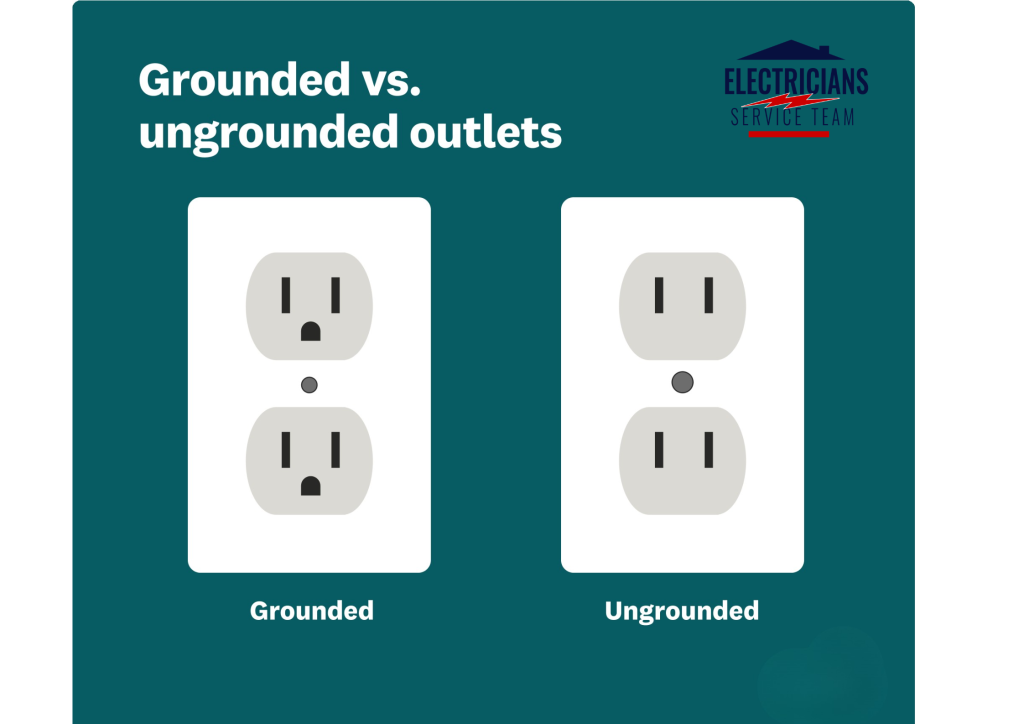
A properly wired three-prong outlet has three connections — a hot wire, a neutral wire, and a ground wire. The ground wire is a safety feature. It provides a path for electricity to safely escape in the event of a fault, protecting both your appliances and you from electrical shock.
An open ground outlet is a three-prong outlet where the ground wire is either missing, disconnected, or never installed in the first place. This is extremely common in homes built before the 1960s when two-prong ungrounded wiring was standard. It also occurs in older homes where someone replaced two-prong outlets with three-prong outlets without properly running a ground wire — essentially creating a fake sense of safety.
An outlet tester — available at any hardware store for under $15 — will immediately tell you if your outlets are open ground. Simply plug it in and read the indicator lights.
Why Open Ground Outlets Are a Problem
You might be thinking — my outlets work fine, so why does grounding matter? Here is why it is important:
- Electrical shock risk: Without a ground, fault current has nowhere to safely go. Instead of flowing harmlessly to ground, it can flow through you if you touch the wrong thing at the wrong time.
- Appliance damage: Sensitive electronics like computers, televisions, and gaming consoles rely on proper grounding to function safely. An ungrounded outlet can damage these devices over time.
- Surge protection does not work: Whole-house surge protectors and power strip surge protectors require a ground to function. Without it your expensive electronics have zero protection.
- Code compliance: Modern electrical code requires grounded outlets. Open ground outlets can be a problem when selling your home or filing an insurance claim after electrical damage.
Solution 1: Replace with a GFCI Outlet (Best DIY Fix)
This is the most practical and widely accepted solution for fixing open ground outlets without rewiring. The National Electrical Code (NEC) specifically allows GFCI outlets to be used as a replacement for ungrounded outlets — and it does not require you to run new ground wires.
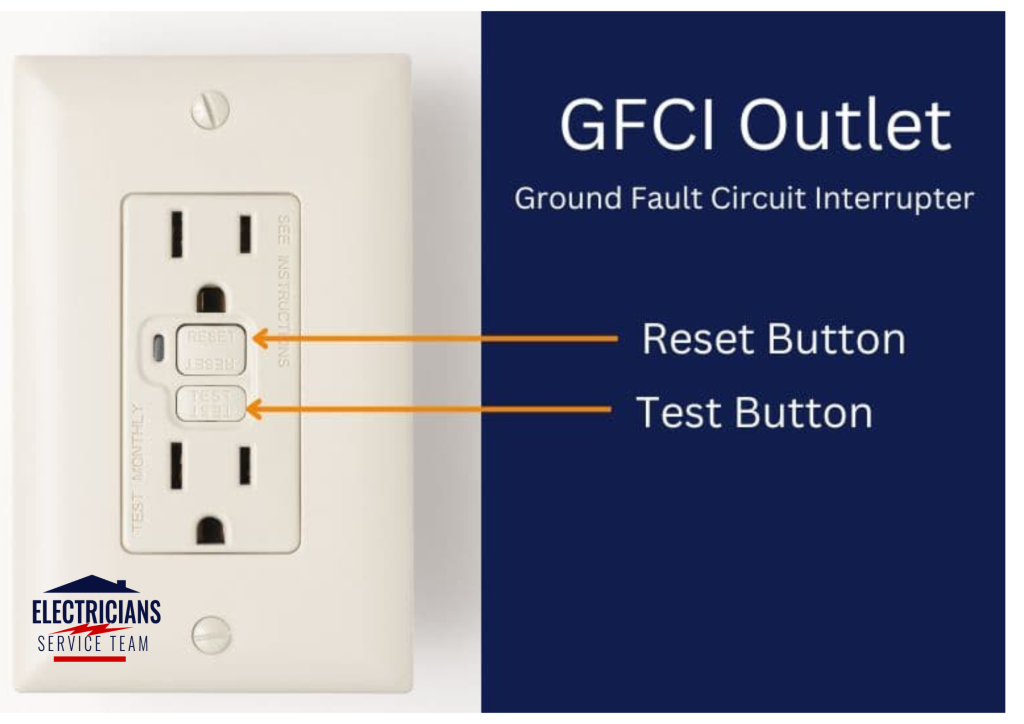
A GFCI outlet — Ground Fault Circuit Interrupter — protects against electrical shock by detecting any imbalance in current flow and cutting power in milliseconds. While it does not provide a true equipment ground, it provides the shock protection that grounding is primarily designed for.
What you will need:
- GFCI outlet (15 amp or 20 amp depending on your circuit)
- Flathead and Phillips screwdriver
- Non-contact voltage tester
- Electrical tape
How to do it:
Step 1: Turn off the power. Go to your electrical panel and flip the breaker for the circuit you are working on. Use a non-contact voltage tester to confirm the power is off before touching any wires.
Step 2: Remove the old outlet. Unscrew the cover plate and the outlet from the electrical box. Carefully pull the outlet out and take a photo of how the wires are connected before removing anything.
Step 3: Connect the wires to the GFCI outlet. Connect the black hot wire to the brass screw and the white neutral wire to the silver screw. Since there is no ground wire, leave the green ground screw empty. Do not use the LOAD terminals on the GFCI — only use the LINE terminals for a single outlet replacement.
Step 4: Label the outlet. The NEC requires that GFCI outlets used to replace ungrounded outlets be labeled “No Equipment Ground.” GFCI outlets come with these stickers in the box — apply one to the outlet face.
Step 5: Install and test. Fold the wires neatly into the box, mount the outlet, replace the cover plate, and restore power. Press the TEST button on the GFCI to confirm it is working correctly.
This fix is code-compliant, safe, affordable, and requires no new wiring. A single GFCI outlet costs between $15 and $25 at any hardware store.
Solution 2: Use a GFCI Breaker to Protect Multiple Outlets
If you have multiple open ground outlets on the same circuit, replacing each one individually with a GFCI outlet can get expensive and time-consuming. A more efficient solution is to install a GFCI breaker in your electrical panel — one breaker that provides GFCI protection for every outlet on that entire circuit.
How it works: A GFCI breaker replaces the standard circuit breaker in your electrical panel and monitors the entire circuit for ground faults. Every outlet downstream is automatically protected without needing to replace each one individually.
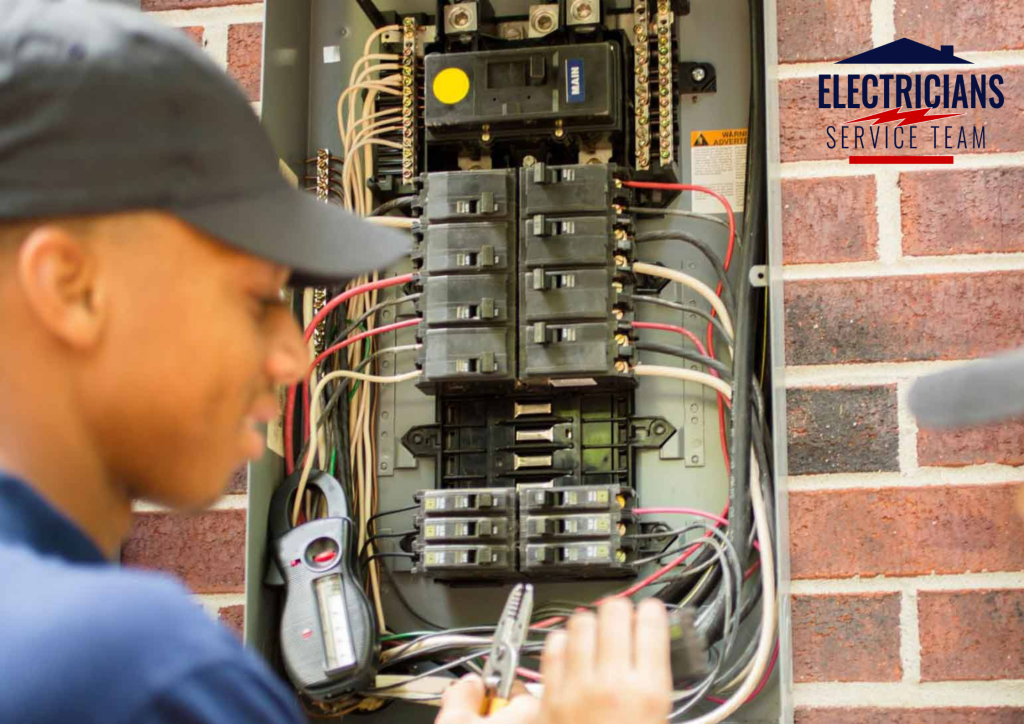
Is this a DIY job? Working inside an electrical panel involves serious safety risks. The bus bars inside your panel carry live voltage even when individual breakers are switched off. Unless you are experienced with electrical panel work, this is a job we strongly recommend leaving to a licensed electrician.
Cost: A GFCI breaker typically costs $40 to $80 depending on the brand and amperage, plus installation labor.
Solution 3: Run a Ground Wire (The Permanent Fix)
The most complete and permanent solution is to run an actual ground wire to the ungrounded outlets. This brings the outlets up to full modern code compliance and provides true equipment grounding for your appliances and electronics.
When this makes sense:
- You are already doing other electrical work in the area
- The outlet is in a location where a ground wire can be run without opening too many walls
- You have metal conduit — if your existing wiring runs through metal conduit, the conduit itself can serve as the ground path and a full rewire may not be necessary
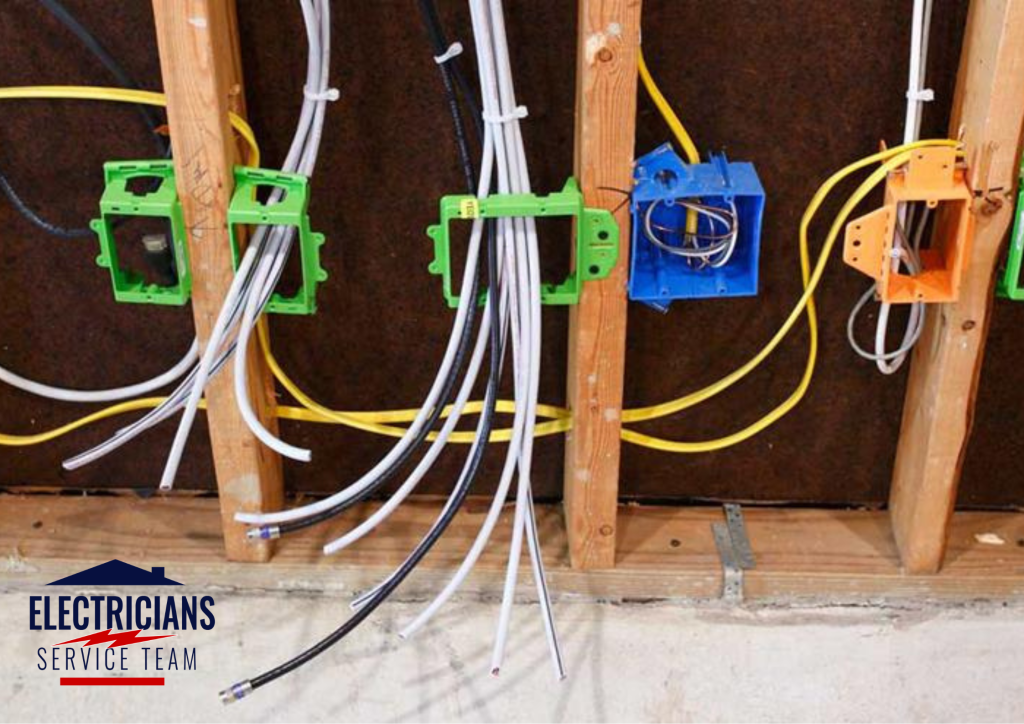
Is this a DIY job? Running new ground wires requires opening walls, fishing wire through existing framing, and connecting to a proper grounding point. While a skilled DIYer can handle this, it is the most complex of the three solutions and requires pulling a permit in most California jurisdictions. A licensed electrician will know the most efficient routing to minimize wall damage and ensure the work passes inspection.
What About Just Installing a Three-Prong Adapter?
You may have seen the small plastic adapters that convert a two-prong outlet to accept three-prong plugs. These are sometimes called cheater plugs. Do not use them as a permanent solution.
A cheater plug does nothing to provide grounding — it simply allows a three-prong plug to fit into a two-prong outlet while leaving the ground pin completely unconnected. Your appliances get zero ground protection and you get a false sense of security. They are not code compliant and should be avoided.
How to Test Your Outlets for Open Ground
Before you start replacing outlets, use an outlet tester to check which ones are affected. Here is how:
- Purchase a basic outlet tester at any hardware store for under $15
- Plug it into each three-prong outlet in your home
- Read the indicator lights — the tester will show you if the outlet is correctly wired, open ground, open neutral, open hot, or has reversed wiring
- Make a list of which outlets need attention and which circuit they are on
This takes about 15 minutes to do your whole home and gives you a clear picture of the scope of the problem before you start buying parts.
Open Ground Outlets in Older Homes: What You Need to Know
Open ground outlets are extremely common in homes built before 1970. If your home was built during this era and has never had its wiring updated, there is a good chance you have ungrounded outlets throughout. Two-prong ungrounded wiring was standard practice for decades — and millions of American homes still have it today.
This is not just a Los Angeles problem. Homeowners across the country in older neighborhoods and historic homes deal with open ground outlets regularly. Whether your home is in California, New York, Texas, or anywhere in between, the solution is the same and the NEC rules that permit the GFCI replacement method apply nationwide.
If you are selling your home, refinancing, or filing an insurance claim, an electrical inspection may reveal open ground outlets as a deficiency that needs to be addressed. Catching and fixing them now is far easier and less expensive than dealing with them under the pressure of a real estate transaction.
FAQs
Open ground outlets are functional but not fully safe. They lack the shock protection and appliance protection that proper grounding provides. They also render surge protectors useless. Replacing them with GFCI outlets is a quick, affordable, and code-compliant fix.
A standard outlet tester will still show “open ground” on a GFCI outlet that is not connected to a ground wire — even after you install it correctly. This is normal. What matters is that the GFCI protection is active, which you can confirm by pressing the TEST button. Some testers have a specific GFCI test button that will confirm the protection is working.
Generally no — replacing like-for-like outlets or upgrading to GFCI outlets as a direct replacement does not require a permit in most California jurisdictions. However running new wiring or installing a GFCI breaker in the panel may require a permit. Check with your local building department if you are unsure.
A licensed electrician will typically charge $150 to $300 to replace several outlets with GFCI outlets, depending on the number of outlets and accessibility. A full ground wire installation for an entire house can range from $1,500 to $5,000 or more depending on the size of the home and the complexity of the existing wiring.
Yes. Without a proper ground, sensitive electronics are more vulnerable to voltage spikes and surges. Computers, televisions, and audio equipment are particularly at risk. Surge protectors also require a ground to work — plugging one into an open ground outlet provides zero surge protection.


