

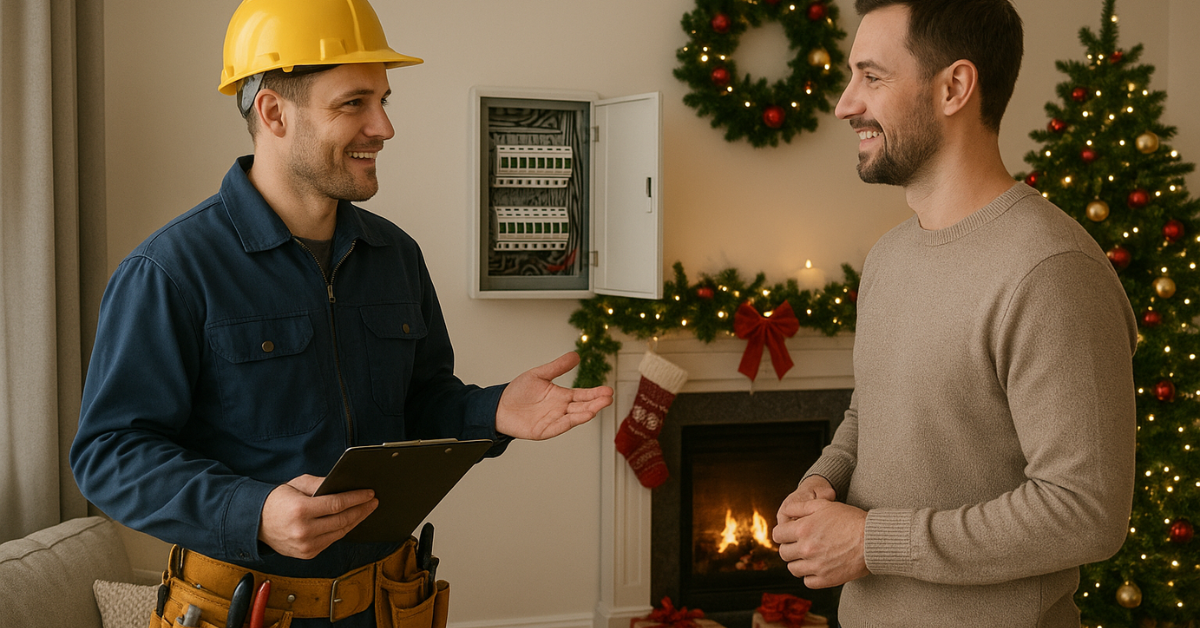
Knowing how to prevent circuit overload during holidays starts with unplugging unused devices, spreading decorations across multiple circuits, and avoiding daisy-chained extension cords. Use LED lights and check breakers regularly to maintain safety throughout the season.
Key Takeaways:
- Spread electrical loads across multiple circuits.
- Avoid overusing extension cords.
- Use energy-efficient LED decorations.
- Unplug unused appliances to reduce demand.
- Check breakers and outlets for overheating.
The holiday season is a time of joy, celebration, and brilliant displays of lights and decorations. Yet, amid all the festivity, many households unknowingly place their electrical systems under immense strain, leading to the risk of circuit overloads and even electrical fires. At this time of year, understanding how to prevent electrical overloads is crucial for maintaining safety, protecting your home, and ensuring that your celebrations remain merry and bright.
Understanding Circuit Overload
A circuit overload happens when too many electrical devices are plugged into a single circuit, demanding more current than the circuit can handle. Each circuit in your home is designed to safely carry a specific electrical load, measured in amperes (amps). When that load is exceeded, the breaker trips—a built-in safety mechanism to prevent overheating and potential fire hazards.
During the holidays, the risk increases dramatically because we often plug in extra lights, heaters, kitchen appliances, and decorations, pushing circuits beyond their limit. Recognizing this risk is the first step to prevention.
Common Causes of Holiday Circuit Overloads
- Excessive Lighting Displays
Holiday lights, especially older incandescent strings, consume significant electricity. When multiple strands are daisy-chained together, they can quickly overwhelm an outlet or circuit. - High-Powered Kitchen Appliances
The holiday season means more cooking, baking, and food prep. Using ovens, toasters, coffee makers, and mixers simultaneously can overload kitchen circuits. - Space Heaters and Electric Fireplaces
To create a cozy atmosphere, many people turn on portable heaters or electric fireplaces. These devices draw large amounts of current and can easily push a circuit beyond capacity. - Too Many Extension Cords and Power Strips
Overusing extension cords or plugging multiple power strips into one outlet is a common but dangerous mistake. These accessories do not increase the circuit’s capacity; they only spread out the load, making overloads more likely.
Signs You’re Overloading a Circuit
It’s vital to recognize the warning signs of an overloaded circuit before it leads to serious issues. Watch for these common indicators:
- Frequent circuit breaker trips
- Flickering or dimming lights when new devices are plugged in
- Buzzing sounds from outlets or switches
- Warm or discolored outlets and plugs
- Burning smells or faint smoke near electrical panels
If any of these issues occur repeatedly, it may be time to schedule a professional circuit breaker repair to restore safe electrical performance before continuing with holiday setups.
How to Prevent Circuit Overload During the Holidays
1. Know Your Circuit Limits
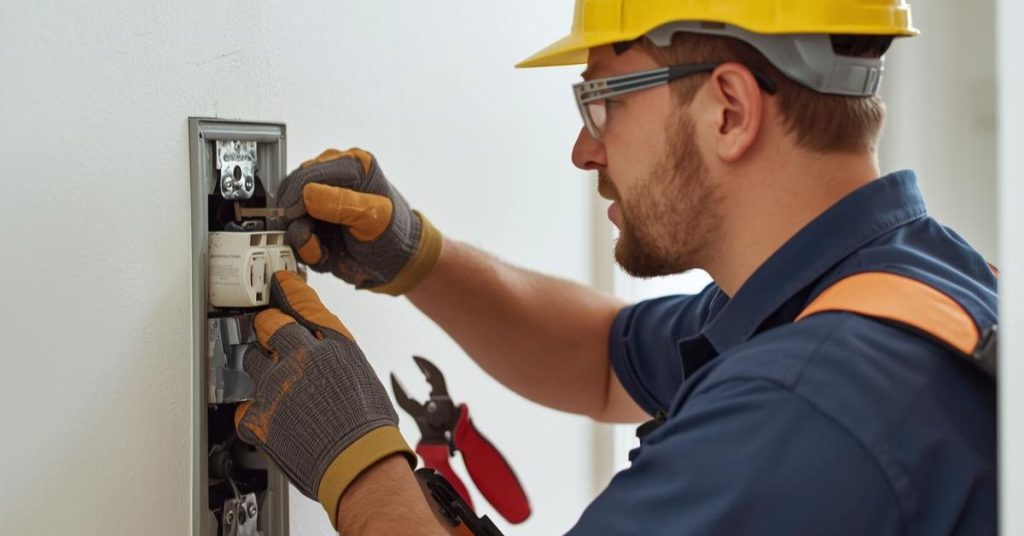
Before plugging in decorations and appliances, understand how much current each circuit can handle. Most household circuits are rated for 15 to 20 amps. Check your breaker panel to see which outlets are on the same circuit, and spread your decorations and devices across multiple circuits to balance the load.
2. Use LED Lights Instead of Incandescent Bulbs
Switching to LED holiday lights is one of the easiest and most effective ways to prevent overload. LEDs use up to 80% less electricity than traditional bulbs, emit less heat, and last longer, reducing both your power bill and fire risk.
3. Avoid Daisy-Chaining Light Strands
Every light string has a maximum number that can be safely connected end-to-end—usually listed on the packaging. Exceeding this limit increases the risk of overheating. For safety, plug each set of lights into a separate outlet or use different circuits.
4. Use Power Strips with Built-In Circuit Breakers
Invest in surge-protected power strips that include circuit breakers. These devices can automatically shut off power if they detect an overload, adding an extra layer of protection for your home and decorations.
5. Unplug Devices When Not in Use
Even when idle, many electronics draw phantom energy. Unplugging light displays, inflatables, and appliances when they’re not in use not only saves electricity but also reduces the total load on your home’s wiring.
6. Schedule Electrical Usage Wisely
Avoid running multiple high-powered devices at the same time. For example, don’t operate your oven, dishwasher, and space heater simultaneously if they’re on the same circuit. Staggering usage times helps prevent overloading.
7. Inspect Your Wiring and Outlets
Before the holidays begin, perform a quick check of all your outlets, cords, and power strips. Replace frayed cords, cracked outlets, or loose plugs immediately. A professional electrical inspection once a year can also identify hidden issues that may lead to overloads or fires.
Holiday Lighting Safety Tips
The beauty of festive lighting shouldn’t come at the expense of safety. Follow these additional tips to enjoy your decorations without risk:
- Always turn off holiday lights before going to bed or leaving the house.
- Use outdoor-rated extension cords and lights for exterior decorations.
- Keep electrical connections off the ground and away from snow or water.
- Do not cover extension cords with rugs or carpets, as this can trap heat.
- Store lights properly after the holidays to prevent damage to wiring and insulation.
Upgrade Your Electrical System if Necessary
Older homes often have circuits that were never designed to handle today’s energy demands. If you’re frequently experiencing tripped breakers or flickering lights during the holidays, it may be time to upgrade your electrical panel.
A qualified electrician can:
- Install dedicated circuits for heavy-duty appliances and outdoor lighting.
- Increase your home’s amperage capacity.
- Add GFCI outlets for enhanced safety in kitchens and outdoor areas.
- Provide wiring services to replace outdated or damaged wiring that can’t support modern electrical loads.
- Perform an electric panel upgrade to ensure your system can safely power holiday lighting and appliances.
Investing in these upgrades not only reduces the risk of circuit overloads but also enhances your home’s overall electrical efficiency and safety.
Why Electrical Safety Should Be a Holiday Priority
According to the U.S. Fire Administration, electrical malfunctions are among the top causes of home fires during the winter months. Most of these incidents are preventable with simple safety measures and awareness. Preventing a circuit overload doesn’t just protect your property—it protects your family, your guests, and the memories you’re creating.
For a detailed guide on preventing holiday fires, visit the USFA Holiday Fire Safety page.
By understanding your home’s electrical limits, using energy-efficient decorations, and staying mindful of how many devices share the same circuit, you can enjoy a festive, worry-free season.
Final Thoughts
The holidays should be about joy, comfort, and peace of mind—not worrying about tripped breakers or electrical fires. By applying these best practices, you can confidently decorate your home, entertain guests, and cook family feasts without straining your electrical system. Remember, electrical safety begins with awareness and prevention. A few simple precautions today can save you from costly and dangerous problems tomorrow.
For added peace of mind, Electricians Service Team is always ready to help with safety inspections and troubleshooting, lighting services, and holiday electrical safety support—keeping your celebrations bright, safe, and powered responsibly.
FAQs
Circuit overloads typically occur when too many decorations, appliances, or heaters draw power from the same circuit. Holiday lighting and increased kitchen appliance use often push circuits beyond their safe limits.
Yes—LED lights use significantly less electricity and produce less heat, reducing the risk of overload and fire. They also last longer, making them a safer and more cost-effective choice.
Warning signs include tripped breakers, flickering lights, buzzing outlets, or warm plugs. If you notice any of these symptoms, unplug devices immediately and consult an electrician.
Extension cords only spread out where devices are plugged in—they do not increase a circuit’s capacity. Overusing them can actually increase the risk of overheating and fire hazards.
If your home has frequent breaker trips, flickering lights, or older wiring, an upgrade may be necessary. Modern electrical panels offer more capacity and safety features, especially important during high-demand holiday seasons.


