Appliances need a dedicated circuit for safety to prevent overloads, reduce fire risks, and ensure stable power supply, protecting both the appliance and home wiring from damage caused by excessive current draw.
Key Takeaways:
- Prevents circuit overloads
- Reduces fire hazards
- Ensures stable, reliable power
- Protects appliance and wiring integrity
Electrical safety in modern homes depends heavily on proper circuit design. One of the most overlooked yet critical elements is ensuring that certain appliances have dedicated circuits. Without them, homes risk electrical hazards, reduced efficiency, and expensive appliance repairs. In this blog, we will detail why dedicated circuits are essential, which appliances require them, and how they protect your family and property.
What Is a Dedicated Circuit?
A dedicated circuit is an electrical line that serves only one appliance or device. Unlike general-use circuits that power multiple outlets, a dedicated circuit ensures that the full capacity of the breaker is allocated to a single piece of equipment. These circuits typically run from the electrical panel directly to the appliance, without branching to other devices.
The benefits of installing a dedicated circuit include preventing overloading, reducing fire hazards, and ensuring that appliances operate at their peak performance. Dedicated circuits are mandated by the National Electrical Code (NEC) for specific appliances because of their higher power demands.
Why Dedicated Circuits Are Essential for Appliance Safety
1. Prevent Electrical Overloads
Large appliances, such as refrigerators or washing machines, draw significant amounts of current. When these appliances share a circuit with other devices, the total electrical load can exceed the circuit’s capacity. This overload causes circuit breakers to trip frequently, interrupting power and potentially damaging both the appliances and electrical system.
Having a dedicated circuit ensures each appliance receives the electricity it needs without competing for power. This prevents frequent breaker trips, protects wiring from overheating, and maintains a safer electrical environment for your home.
2. Protect Against Fire Hazards
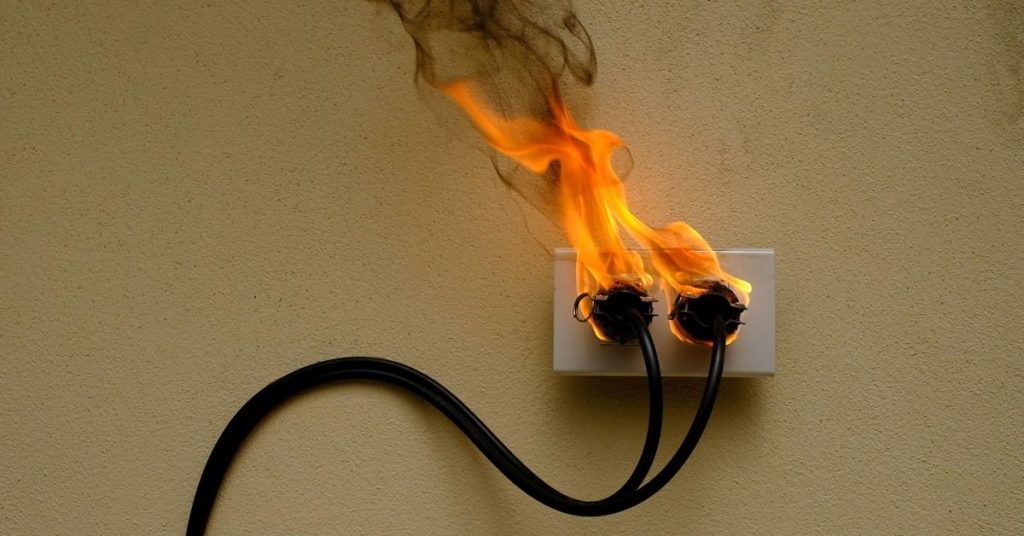
Overheating wires are one of the leading causes of home electrical fires. According to the U.S. Fire Administration, electrical fires account for tens of thousands of residential incidents each year, many of which are preventable with proper circuit design.
By installing dedicated circuits, electrical loads are distributed evenly, keeping wires within safe temperature ranges. This greatly reduces the chance of insulation damage and enhances the overall safety of your home’s electrical system.
3. Maintain Appliance Performance
When appliances compete for electrical power, they may underperform or sustain damage. Shared circuits can cause voltage drops, meaning appliances receive inconsistent power levels. For example, a refrigerator on a shared circuit might fail to maintain proper cooling during high demand periods.
Dedicated circuits ensure consistent voltage, providing stable power directly to each appliance. This allows devices to run efficiently and reliably, extending their lifespan and maintaining optimal performance.
4. Ensure Code Compliance
The NEC requires dedicated circuits for certain household appliances to reduce risks associated with electrical overloads and fires. Without compliance, homes may fail inspections, risking fines or costly repairs. Insurance companies may also raise premiums or deny claims related to electrical incidents in non-compliant homes.
Following NEC guidelines by installing dedicated circuits not only meets legal standards but also protects your investment and ensures the safety of your family and property.
Which Appliances Require Dedicated Circuits?
Certain appliances consume a significant amount of electricity and must be placed on dedicated circuits. Below are the most common examples:
- Refrigerators and Freezers – To prevent food spoilage due to power interruptions from tripped breakers.
- Ovens and Stoves – Electric ranges can draw between 30–50 amps, making a shared circuit unsafe.
- Microwaves – Large models often exceed the safe limits of a standard kitchen outlet.
- Dishwashers – Motor-driven appliances with heating elements that require stable electrical supply.
- Washing Machines and Dryers – Dryers in particular demand 240V dedicated circuits due to their heavy load.
- Air Conditioners and Furnaces – HVAC systems run continuously and must never compete for power.
- Garbage Disposals – High-torque motors can overload shared kitchen circuits.
- Hot Tubs and Water Heaters – Moisture and high electrical demands make dedicated circuits critical for safety.
Each of these appliances has unique electrical needs, but the common factor is that they must not share power with general outlets or lighting fixtures.
Signs Your Appliance Needs a Dedicated Circuit
If you are unsure whether your home is properly equipped, look for these warning signs:
- Frequent breaker trips when using large appliances.
- Flickering or dimming lights when appliances start running.
- Buzzing outlets or warm wall plates, indicating excessive load.
- Appliance malfunction or short lifespan caused by inconsistent power supply.
- Burning smells near outlets, a critical sign of overloaded wiring.
- Power tools or equipment shut off mid-use, especially in garages or workshops.
- New appliances cause existing ones to underperform or shut down.
- You’re upgrading to high-power devices like EV chargers or tankless water heaters.
If you experience any of these symptoms, consult a licensed electrician immediately to assess your home’s circuits. The U.S. Consumer Product Safety Commission (CPSC) emphasizes the importance of identifying warning signs early to prevent electrical injuries and fires.
The Dangers of Not Using Dedicated Circuits
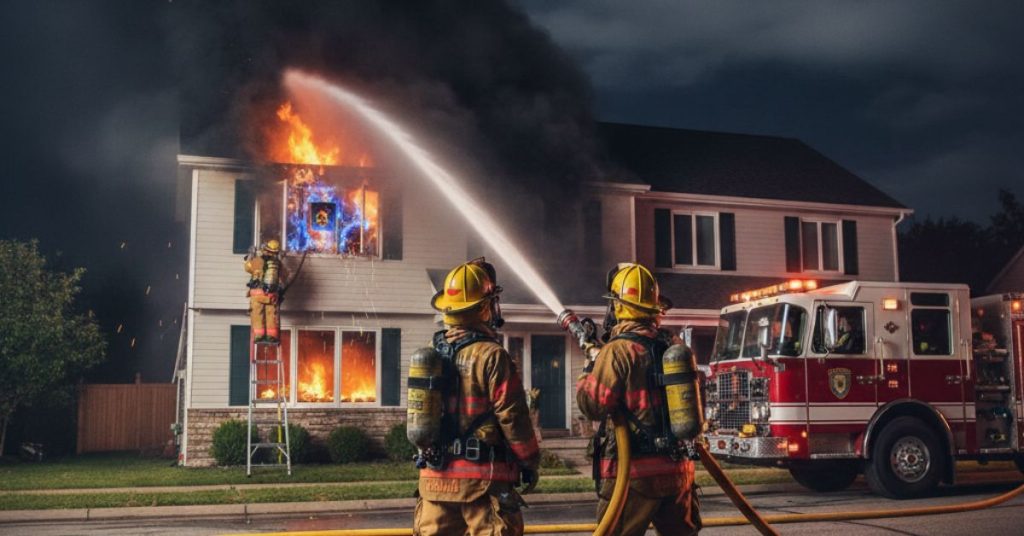
Operating appliances on shared circuits can create a cascade of electrical hazards. Not only are you risking appliance damage, but you may also be jeopardizing your family’s safety. Here are the major dangers:
- Electrical Fires – Overloaded wires and outlets increase fire risk exponentially.
- Damage to Appliances – Expensive appliances can fail prematurely due to power surges or undervoltage.
- Personal Safety Risks – Overheated wires and damaged outlets can cause electric shocks.
- Increased Repair Costs – Replacing damaged wiring, outlets, and appliances costs far more than installing a dedicated circuit.
- Frequent Power Interruptions – Shared circuits are more prone to tripping, leading to repeated loss of power.
- Voided Warranties – Many appliance manufacturers require dedicated circuits to maintain warranty coverage.
- Failed Home Inspections – Non-compliant wiring setups may result in failed inspections when selling or remodeling your home.
Ignoring these risks places unnecessary strain on your home’s electrical system.
Professional Installation of Dedicated Circuits
Dedicated circuits must be installed by a licensed electrician. The process involves:
- Assessing the Appliance Load – Calculating the required amperage and voltage.
- Running New Wiring – Installing wires directly from the electrical panel to the appliance.
- Installing a Dedicated Breaker – Assigning a breaker exclusively to the appliance.
- Testing the Circuit – Ensuring safe operation under full load conditions.
DIY installation is not recommended due to the complexity and risks involved. Professionals guarantee compliance with building codes and ensure the safety of your home.
Who to Call for Reliable Electrical Installation and Repairs
When it comes to safety and compliance, always trust a licensed electrician for dedicated circuit installation and repair, wiring services, emergency electrical services, and more. Attempting DIY solutions for electrical issues can lead to serious risks, including fire hazards and code violations.
For dependable results, contact the Electricians Service Team—a trusted provider known for quality workmanship and fast response times. Whether you’re upgrading appliances or ensuring your home’s circuits are safe, their certified electricians are ready to help.
Long-Term Benefits of Dedicated Circuits
Investing in dedicated circuits is not just about immediate safety. It also offers long-term advantages:
- Extended Appliance Lifespan – Stable electrical supply reduces wear and tear.
- Lower Energy Costs – Appliances run more efficiently with consistent power.
- Peace of Mind – Knowing your home meets electrical safety standards.
- Higher Property Value – Homes with compliant electrical systems are more attractive to buyers.
- Fewer Electrical Repairs – Dedicated circuits reduce strain on your wiring, minimizing the need for maintenance.
- Supports Future Upgrades – Makes it easier to add new high-powered appliances or technology.
- Improved Home Insurance Eligibility – Up-to-code electrical systems may lower premiums or help avoid denied claims.
The small upfront cost of installing a dedicated circuit pays for itself many times over in protection, efficiency, and value.
Conclusion
A dedicated circuit is more than an electrical requirement—it is a safeguard for your family, appliances, and home. By preventing overloads and reducing fire risks, dedicated circuits ensure your essential appliances run safely and efficiently. They protect your investment, provide consistent performance, and help you avoid costly damage or repairs due to improper power distribution.
Beyond safety, dedicated circuits also contribute to long-term energy efficiency and peace of mind. Whether you’re upgrading to new appliances or planning for future home improvements, having a properly designed electrical system is essential. If you’re unsure where to start or need professional guidance, don’t hesitate to contact us—your home’s electrical safety is too important to leave to chance.
FAQs
A dedicated circuit provides power to a single appliance or device, ensuring it receives the full electrical load it requires without interference. This prevents overloads, enhances safety, and supports optimal appliance performance.
If an appliance frequently trips breakers, causes lights to flicker, or shuts off unexpectedly, it likely needs a dedicated circuit. High-powered appliances like dryers, ovens, and HVAC systems almost always require one.
DIY electrical work is risky and can lead to code violations, fire hazards, or injury. It’s strongly recommended to hire a licensed electrician to ensure safe and compliant installation.
Yes, the National Electrical Code (NEC) mandates dedicated circuits for specific appliances due to their high power demands. Not following these requirements can result in failed inspections or denied insurance claims.
Yes, dedicated circuits provide consistent voltage, helping appliances operate more efficiently and reducing energy waste. This can extend the life of your appliances and lower your electricity bills over time.