

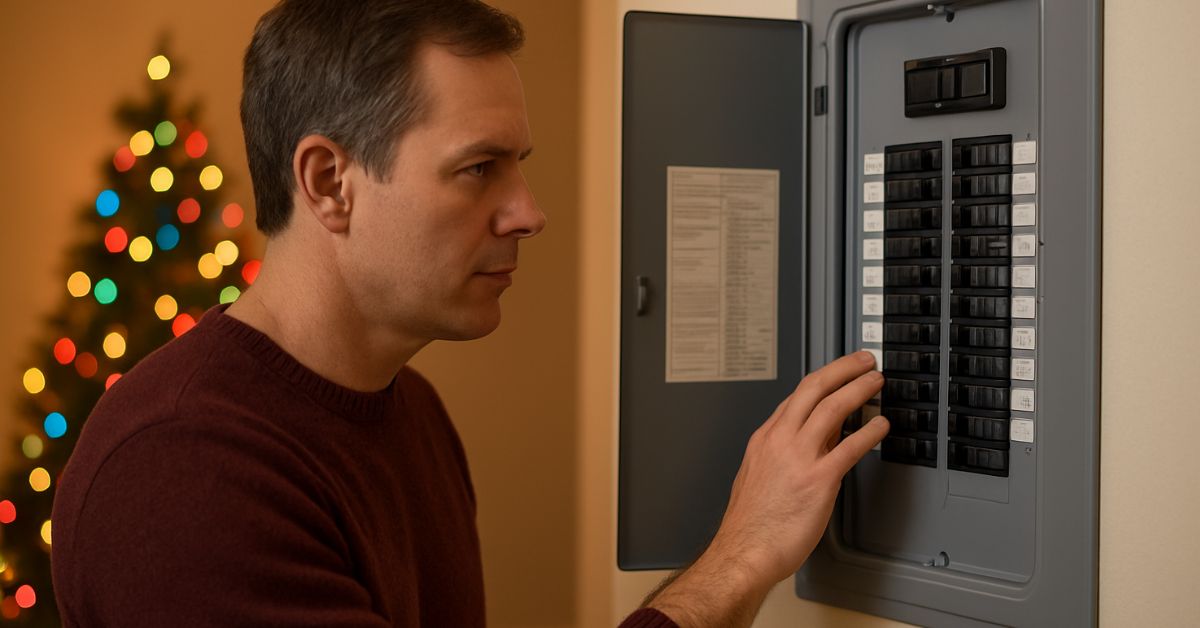
Circuit breaker tripping during Christmas lights often happens due to overloaded circuits, faulty wiring, or damaged light strands. Too many decorations plugged into one outlet can exceed your electrical system’s capacity, causing the breaker to shut off for safety.
Key Takeaways:
- Avoid overloading outlets.
- Check for damaged light wires.
- Use LED lights to reduce power use.
- Spread decorations across multiple circuits.
As the holiday season approaches, the glow of Christmas lights brings warmth and cheer to homes everywhere. However, nothing dampens the festive mood faster than when your circuit breaker trips the moment you plug in those dazzling decorations. Understanding why this happens and how to prevent it is essential for both your safety and your celebration.
Understanding the Role of Your Circuit Breaker
A circuit breaker is an essential safety device that safeguards your home’s electrical system. It monitors the flow of electricity and automatically shuts off power when it detects an overload, short circuit, or ground fault. By interrupting the electrical flow, it prevents potential hazards such as fires, damage to appliances, and deterioration of wiring, ensuring the safety of both your home and family.
For example, when you turn on multiple Christmas lights and the breaker trips, it indicates that the electrical load on that circuit has exceeded safe limits. This automatic shutdown helps avoid overheating wires and serious electrical accidents, highlighting the importance of understanding your circuit breaker’s role in maintaining a safe home environment.
Common Causes Why Your Circuit Breaker Trips
1. Overloaded Electrical Circuit
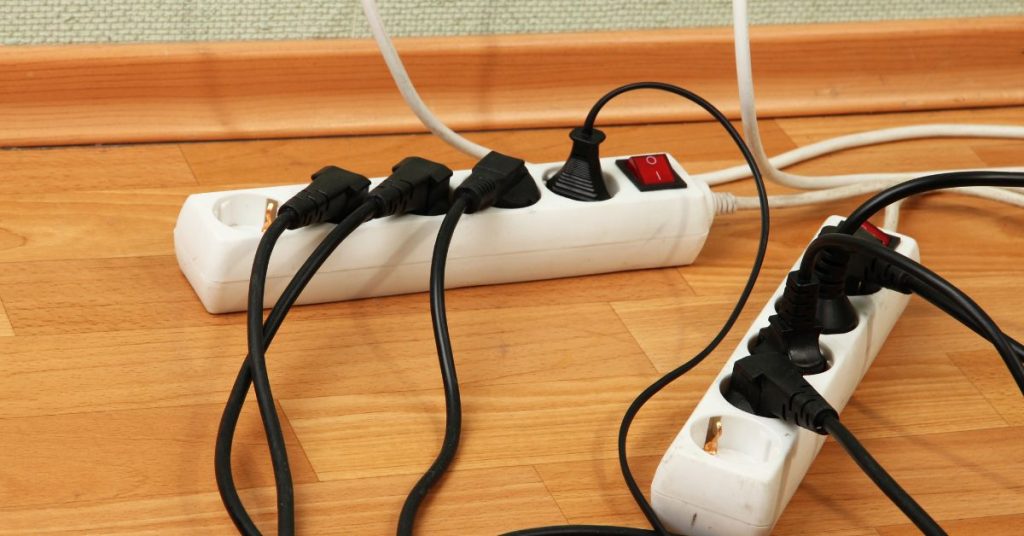
One of the most frequent reasons your breaker trips during the holidays is an overloaded circuit. Each circuit in your home is designed to handle a specific amount of current—typically 15 to 20 amps. When you plug in too many Christmas lights, inflatables, and other decorations into a single outlet or extension cord, the total current demand can exceed the breaker’s capacity.
For example, traditional incandescent lights consume much more power than LED Christmas lights, quickly straining your circuit. Once the load surpasses the breaker’s limit, it trips to prevent overheating and potential electrical fires.
2. Short Circuit in the Lighting Wires
A short circuit occurs when the hot (live) wire comes into contact with the neutral wire, creating an immediate surge of electrical current. This can happen if the insulation on your light wires is damaged, often caused by aging, improper storage, or outdoor exposure. When you plug in faulty lights, the sudden spike in current flow causes your circuit breaker to trip instantly.
If you notice a burnt smell, melted plug, or flickering lights, immediately unplug the decorations. These are warning signs of a dangerous short circuit that requires professional circuit breaker inspection.
3. Ground Faults
A ground fault happens when electricity escapes the intended circuit path and flows into the ground through an unintended connection. This is especially common with outdoor Christmas lights exposed to moisture, rain, or snow. Wet connections or frayed cords can allow current to leak, triggering the breaker’s ground fault circuit interrupter (GFCI) protection.
To prevent this, always use weather-rated extension cords and outdoor lights, and keep all plugs and connections elevated and dry.
4. Faulty or Worn-Out Circuit Breaker
Circuit breakers are built to last for many years, but frequent tripping, age, or wear can cause them to weaken. A faulty or worn-out circuit breaker may trip even when the electrical load is minimal, disrupting daily activities and signaling potential safety concerns.
If your breaker repeatedly trips despite normal usage, it’s important to have a licensed electrician inspect it. In some cases, a circuit breaker replacement may be necessary to ensure your home’s electrical system can safely handle seasonal or increased loads.
How to Prevent Your Circuit Breaker from Tripping
1. Switch to Energy-Efficient LED Lights
One of the simplest solutions is replacing old incandescent bulbs with LED Christmas lights. LEDs consume up to 80% less energy, emit less heat, and allow you to decorate more without overloading your circuit. In addition, they last longer and are safer for both indoor and outdoor use (learn more about energy-efficient lighting from the U.S. Department of Energy).
2. Distribute the Electrical Load
Avoid plugging all your decorations into a single outlet or power strip. Instead, spread your Christmas lights across multiple circuits. Use outlets in different rooms or on separate breakers to balance the electrical demand evenly. If you’re unsure which outlets belong to which circuit, consult your breaker panel or have an electrician label them properly.
3. Use a Power Strip with Circuit Protection
Invest in surge-protected power strips or extension cords that include built-in circuit breakers. These devices automatically cut off power when they detect an overload, preventing your main breaker from tripping and protecting your lights and decorations from damage.
4. Check for Damaged Wires and Loose Connections
Before setting up your decorations, inspect all light strings and extension cords for visible damage such as cracks, frayed wires, or exposed copper. Faulty connections can lead to short circuits or ground faults. Replace any damaged components immediately and avoid taping over exposed wires, as this poses a serious fire risk.
5. Protect Outdoor Decorations from Moisture
Moisture is one of the top culprits behind breaker trips during Christmas. When installing outdoor decorations, ensure that all plugs, connectors, and power strips are weatherproof and elevated off the ground. Use plastic covers or waterproof boxes to protect connections from snow or rain. Additionally, only use UL-rated outdoor lights that can withstand harsh winter conditions.
6. Avoid Daisy-Chaining Extension Cords
Linking multiple extension cords together—known as daisy-chaining—can cause resistance buildup, excessive heat, and eventual breaker trips. Instead, use a single heavy-duty outdoor-rated extension cord long enough to reach your desired outlet. This reduces the risk of overloads and minimizes electrical hazards.
Warning Signs of Electrical Overload
Recognizing early signs of an electrical overload can save your home from potential danger. Be cautious if you notice any of the following:
- Lights flicker or dim when turning on additional decorations
- Warm or buzzing outlets
- Burning smells near your electrical panel or outlets
- Frequent breaker trips even under light usage
If these issues persist, contact a professional electrician immediately to assess your system before continuing with your holiday lighting setup.
When to Call a Professional Electrician
If preventive measures don’t stop breaker trips, the issue may lie deeper in your home’s electrical system. Aging circuits, loose connections, or an undersized panel can all contribute to frequent trips. In some cases—especially when you need emergency circuit breaker repair during holiday gatherings—a licensed electrician is the safest and quickest solution. A professional can:
- Perform a detailed load analysis
- Inspect wiring for safety
- Recommend upgrades, like dedicated circuits or a subpanel for holiday lighting
For reliable assistance, contact Electricians Service Team to ensure your holiday lights stay safe and your home’s electrical system is secure.
Safety Tips for a Bright and Safe Holiday Season

Keep your holiday season bright and joyful by taking simple safety steps to prevent electrical hazards and accidents.
- Always turn off your Christmas lights before going to bed or leaving the house.
- Avoid overlapping electrical cords under rugs or furniture.
- Keep flammable materials away from light bulbs and power strips.
- Consider installing a smart timer to automatically control your holiday lights.
- Test GFCI outlets regularly to ensure proper protection, especially outdoors.
By following these precautions, you can enjoy a stunning display of holiday lights without worrying about tripped breakers or electrical hazards.
Conclusion
A tripping circuit breaker during Christmas lights often signals overload, damaged wiring, or moisture-related faults. By understanding these causes and applying preventive steps like using LED lights, inspecting cords, and balancing circuit loads, you can maintain a safer, more reliable holiday display. Staying proactive not only protects your home but also ensures your decorations shine brightly without unexpected interruptions.
If the problem continues even after taking precautions, a professional inspection is the safest next step. The Electricians Service Team is ready to help restore safety and peace of mind—Book now for expert, reliable electrical service.
FAQs
Intermittent tripping often happens when the electrical load fluctuates or when a loose connection causes brief surges. As more decorations turn on or off, the circuit may exceed its capacity at certain moments.
Yes, LED lights use significantly less power and generate less heat than incandescent bulbs. This reduces the chance of overloads and helps prevent breaker trips during the holiday season.
They can if moisture enters outdoor plugs or connectors, causing ground faults that trip shared indoor circuits. This is especially common when lights aren’t weather-rated or properly elevated.
A worn-out breaker may trip frequently even when the electrical load is low or normal. If resetting it doesn’t resolve the issue, it should be inspected by a licensed electrician.
Resetting a breaker repeatedly without identifying the cause can be dangerous. Frequent tripping signals an underlying problem that needs professional attention to avoid electrical hazards.


