Proper outdoor light wiring safety involves using weatherproof materials, securing connections against moisture, and following electrical codes. Regular inspections and professional installations prevent short circuits, ensuring long-lasting, reliable, and safe outdoor illumination.
Key Takeaways:
- Use weatherproof cables and fixtures
- Follow local electrical codes
- Schedule professional inspections regularly
Proper outdoor light wiring is essential not only for aesthetics but also for safety. Poorly installed outdoor lighting can lead to electrical hazards, property damage, and increased energy costs. In this guide, we provide comprehensive and detailed instructions, expert tips, and industry best practices for safe and efficient outdoor lighting installation.
Understanding Outdoor Electrical Safety
Outdoor electrical systems are exposed to environmental elements such as rain, wind, dust, and extreme temperatures, which can affect performance and safety. The first step in any outdoor lighting project is to assess the environment and select wiring, fixtures, and protective measures that comply with safety standards. We recommend using weatherproof materials, GFCI outlets, and cable conduits specifically designed for exterior use. Ensuring proper grounding is a critical step to prevent shocks and electrical fires.
Choosing the Right Outdoor Lighting Fixtures
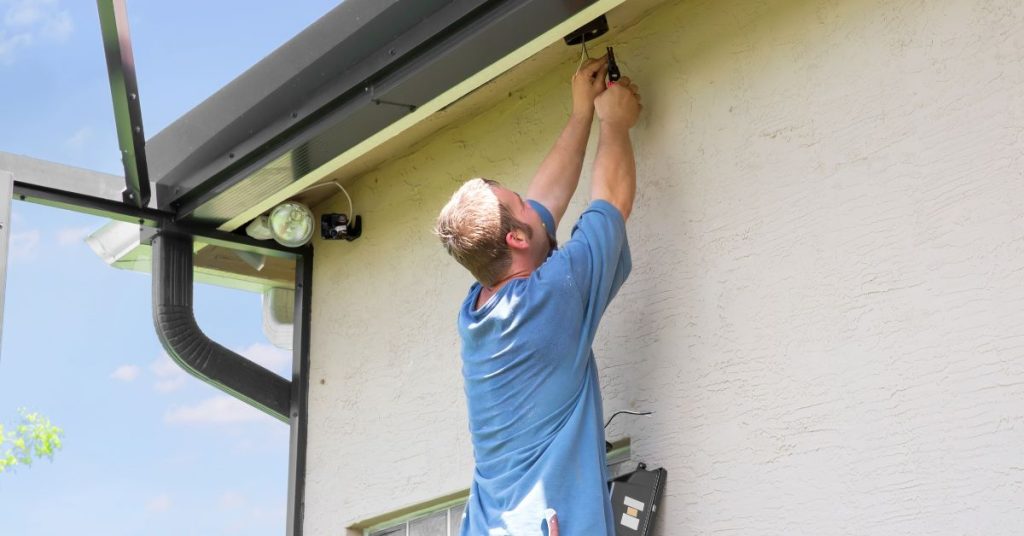
Selecting the appropriate lighting fixtures is crucial for achieving both functionality and safety in any outdoor installation. LED lights are the best choice because they offer excellent energy efficiency, long-lasting performance, and minimal heat emission, making them ideal for various exterior environments.
When choosing fixtures, always look for a high IP rating, which indicates resistance to dust and water. For spaces exposed to rain or splashing water, an IP65 rating or higher is recommended. Additionally, ensure that wall-mounted, pathway, and landscape lights are compatible with low-voltage wiring systems for safer outdoor applications.
Essential Tools and Materials for Outdoor Wiring
Before beginning any installation, gather the necessary tools and materials:
- Outdoor-rated electrical cables (UF or THWN-2 wires)
- Conduits and cable clamps
- Weatherproof junction boxes
- GFCI-protected outlets and breakers
- Wire connectors and electrical tape
- Voltage testers and circuit analyzers
Using the correct tools ensures a secure and durable connection, minimizing the risk of short circuits or electrocution.
Planning Your Outdoor Lighting Circuit
Effective planning is the cornerstone of a safe wiring project. Start by mapping out all outdoor lighting locations and determining the total electrical load to ensure the system operates safely and efficiently. If the load is too high, divide the setup into multiple circuits to prevent overloading and potential hazards.
For longer wiring runs, consider voltage drop, which can cause lights to dim, and use thicker gauge wires to maintain brightness. Clearly label all wires and circuits during installation to simplify future maintenance and upgrades.
Step-by-Step Outdoor Wiring Installation
1. Turn Off Power
Always switch off the circuit breaker before starting any wiring. Use a voltage tester to confirm that no electricity is running through the wires.
2. Install Weatherproof Junction Boxes
All connections must be housed in outdoor-rated junction boxes to protect against moisture. Ensure boxes are securely mounted and sealed with silicone caulk or other weatherproofing materials.
3. Run Cables Through Conduits
Use PVC or metal conduits to protect wires from physical damage and moisture exposure. Ensure that conduits are properly anchored and that bends do not exceed recommended angles, which can strain wires.
4. Connect Wires Safely
Follow color codes: black (hot), white (neutral), and green or bare (ground). Use waterproof wire connectors and wrap connections with weatherproof electrical tape. Proper grounding is mandatory for all outdoor installations.
5. Install Fixtures
Mount the fixtures according to manufacturer instructions. Ensure all screws and brackets are tightened, and verify that fixtures are level. For low-voltage systems, connect to the transformer and test the circuit for proper operation.
6. Test the System
Before closing junction boxes or burying cables, test each circuit. Verify that all lights function correctly and that GFCI protection works as intended.
Tips for Maintaining Safe Outdoor Lighting
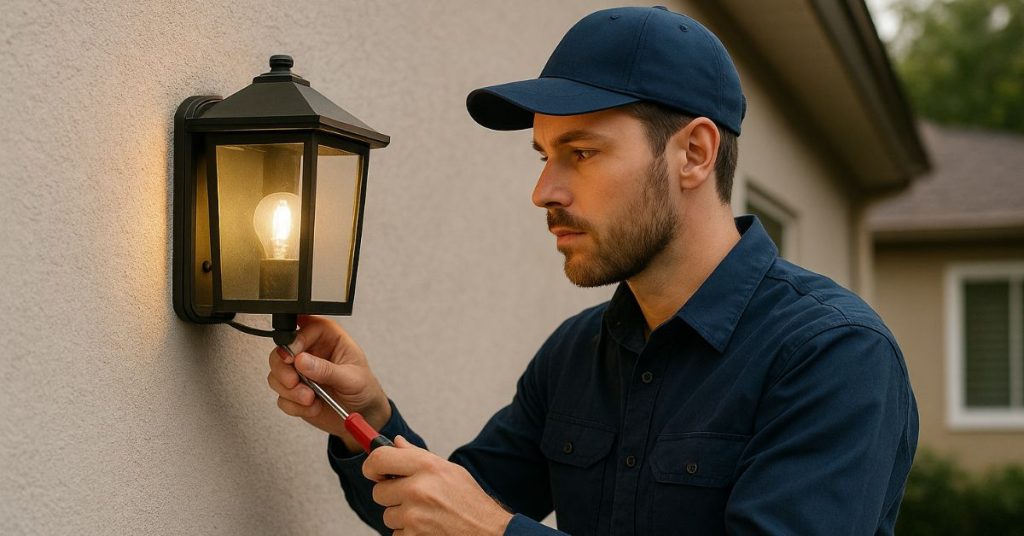
Regular maintenance enhances safety and longevity:
- Inspect wires for cracks, frays, or exposure at least once a year to prevent electrical hazards.
- Clean fixtures regularly to remove dust, dirt, and debris buildup that can cause overheating or malfunction.
- Replace damaged or worn-out cables immediately with outdoor-rated replacements to maintain electrical safety and reliability.
- Check GFCI outlets monthly to ensure they trip and reset correctly for protection against electrical shocks.
- Keep vegetation trimmed around lighting fixtures and pathways to avoid interference with wiring and illumination.
- Ensure all outdoor lighting connections are properly sealed and weatherproofed to prevent moisture from entering electrical components.
- Adjust light angles and positions periodically to ensure proper illumination and reduce glare or dark spots.
- Test timers, motion sensors, and smart controls regularly to confirm they operate efficiently and improve energy savings.
Common Outdoor Wiring Mistakes to Avoid
Many homeowners make errors that compromise safety:
- Using indoor wiring outdoors, which is not rated for moisture or UV exposure.
- Failing to ground the system, increasing the risk of shock.
- Overloading circuits with too many fixtures, leading to tripped breakers or fires.
- Ignoring local electrical codes, which can result in fines or unsafe installations.
- Burying cables without proper conduits, exposing wires to rodents or water infiltration.
Enhancing Energy Efficiency
Using LED bulbs and smart outdoor lighting controls can significantly reduce energy consumption while enhancing outdoor ambiance (see DOE energy-saving tips). These technologies allow lights to operate only when needed, helping homeowners cut electricity costs and extend fixture lifespan.
For optimal performance, pair low-voltage wiring with energy-efficient LED fixtures, which provide bright illumination with minimal power use. This combination ensures safety, durability, and sustainability in any outdoor lighting setup.
Compliance with Electrical Codes
Adhering to local National Electrical Code (NEC) regulations is mandatory for outdoor lighting (learn more on the NFPA website). This includes:
- Using GFCI-protected outlets within 6 feet of water sources
- Maintaining proper wire gauge for load capacity
- Ensuring fixture IP ratings match environmental conditions
- Following burial depth requirements for underground wiring
Compliance not only protects your property but also ensures insurance coverage in case of accidents.
Professional Outdoor Light Wiring and Installation Services Near You
While many outdoor lighting projects can be completed safely by homeowners, certain situations require professional expertise. Reliable local electrical services like the Electricians Service Team ensure all wiring is properly installed, grounded, and compliant with local electrical codes.
Professional electricians are especially valuable when:
- Installing high-voltage systems or multiple circuits
- Retrofitting old wiring in older homes
- Managing underground or complex outdoor wiring setups
- Experiencing frequent circuit breaker trips or power fluctuations
Hiring a licensed professional provides peace of mind, reduces the risk of electrical hazards, and guarantees long-term reliability. The Electricians Service Team specializes in safe outdoor lighting installation, inspections, and upgrades, ensuring your home is well-lit and protected. Book now to secure a professional electrician and enjoy a safer, brighter home.
Conclusion
Proper outdoor light wiring ensures both safety and beauty for your home’s exterior. By using weatherproof materials, following electrical codes, and maintaining regular inspections, you can prevent hazards like short circuits and electrical fires while enjoying reliable illumination. Thoughtful planning, correct outdoor light installation, and energy-efficient fixtures like LEDs make your outdoor spaces safe, functional, and visually appealing.
For peace of mind and professional results, it’s best to trust certified electricians for residential electrical services. Contact us today to schedule expert outdoor lighting services and enjoy a safer, brighter home all year round.
FAQs
Yes, homeowners can install outdoor lights using proper weatherproof materials and following electrical codes. However, complex setups or high-voltage systems are best handled by licensed electricians to ensure safety.
Use outdoor-rated cables such as UF or THWN-2 wires, which are designed to resist moisture, UV rays, and temperature fluctuations. Indoor wiring should never be used outdoors, as it can lead to electrical hazards.
It’s recommended to inspect wires, fixtures, and GFCI outlets at least once a year. Regular checks help prevent damage, electrical hazards, and ensure long-term reliability.
An IP rating indicates a fixture’s resistance to dust and water, which is crucial for outdoor environments. For areas exposed to rain or splashing water, an IP65 rating or higher is recommended to ensure durability and safety.
Using LED bulbs, timers, motion sensors, and dimmers helps reduce energy consumption while maintaining optimal illumination. Pairing these with low-voltage wiring maximizes efficiency, lowers costs, and extends fixture lifespan.