
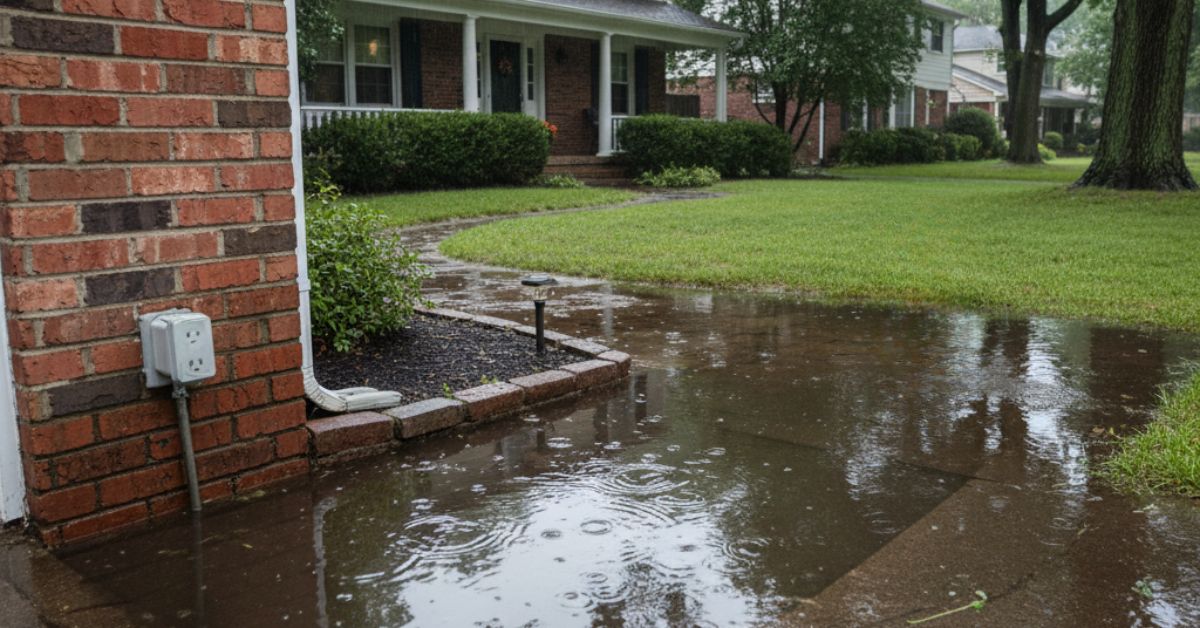
Homeowners should watch for electrical hazards during heavy rain, including flooded outlets, wet wiring, downed power lines, and malfunctioning outdoor appliances. Shut off power, avoid contact with water-exposed electricity, and call a licensed electrician immediately. These dangers are among the most common wet weather electrical risks at home, making awareness and preparation essential.
Key Takeaways
- Flooded outlets and wet wiring can cause shock or fire.
- Downed power lines are extremely dangerous—stay far away.
- Outdoor appliances and extension cords can short-circuit when wet.
- Always contact a licensed electrician for safety inspections.
Heavy rainstorms pose far more than simple inconvenience—they introduce serious electrical hazards that can compromise property safety, damage essential systems, and endanger the lives of everyone in the home. As professional electrical specialists, we understand how quickly these threats can escalate. This comprehensive guide outlines the critical electrical dangers during heavy rain and the steps every homeowner must take to ensure safety, prevent equipment loss, and maintain a secure living environment.
Understanding Why Heavy Rain Amplifies Electrical Risks
Heavy rainfall significantly raises moisture levels around homes, which can penetrate wiring, outlets, panels, and electrical devices. Water is an excellent conductor of electricity, and even minor exposure can create pathways for currents to travel unpredictably. This increases the likelihood of short circuits, equipment damage, and other hazards that compromise the safety of your electrical system.
Flooded areas, wet surfaces, and exposed wires together create dangerous conditions, especially outdoors. Homeowners should be aware of electrical shock risks in stormy weather and take precautions such as keeping devices elevated, avoiding contact with standing water, and ensuring outdoor wiring is properly sealed to prevent accidents.
1. Flooded Electrical Panels and Basements
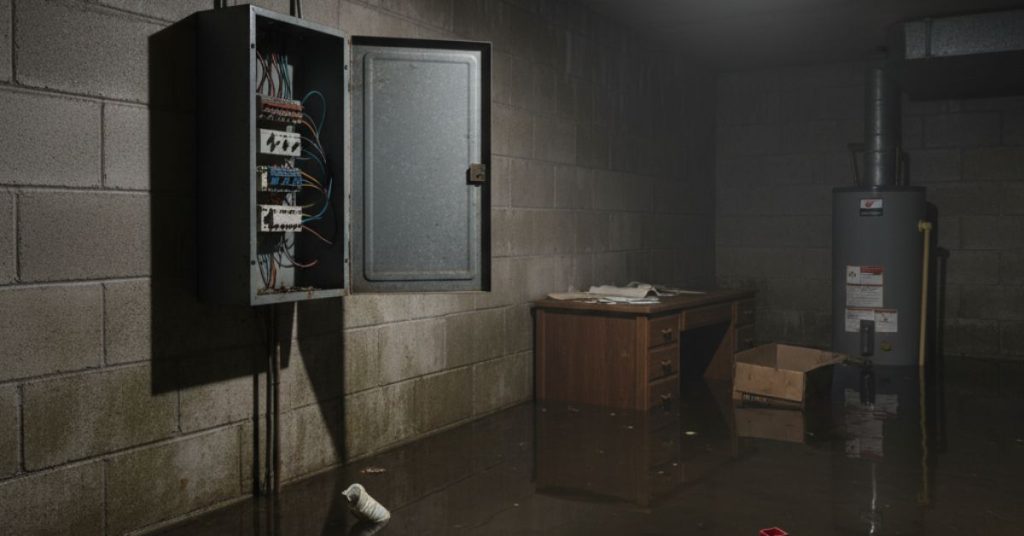
When heavy rain causes basement flooding, electrical panels, circuit breakers, and wiring located at low levels become immediate hazards. Floodwater can infiltrate:
- Main service panels
- Subpanels
- Live wires running along floors or walls
- Sump pump circuits
Once water seeps into these systems, it can cause short circuits, power surges, arcing, and electrocution risks. Even after the water recedes, moisture trapped inside components can lead to corrosion, system failures, or delayed electrical fires.
Homeowners should never attempt to touch an electrical panel or appliances submerged in water. Only licensed electricians should inspect and restore damaged components after flooding, especially if circuit breaker repair may be required.
2. Outdoor Outlets and Fixtures Exposed to Moisture
Exterior outlets, if not properly sealed, become dangerous during storms. Heavy rain can enter:
- Loose outlet covers
- Damaged weatherproof boxes
- Cracked sealing gaskets
- Improperly installed outdoor lighting
Water intrusion can cause ground faults, tripping breakers and increasing shock hazards. Even low-voltage outdoor lighting systems can become unsafe when wiring insulation becomes saturated.
Installing GFCI-protected outdoor outlets and weatherproof covers helps reduce risks, and routine outlet services ensure everything remains safely sealed.
3. Downed Power Lines and Electrical Surges
Intense rainstorms often come with strong wind, leading to fallen branches or downed lines. Live power lines can energize puddles, fences, and even soil, making them dangerous from a distance. Rain also increases the likelihood of voltage fluctuations, which can damage:
- HVAC systems
- Refrigerators
- Computers and electronics
- Home security systems
A properly installed whole-house surge protector can safeguard appliances from unpredictable voltage spikes caused by storms. During severe conditions, an emergency electrician heavy rain response may be necessary to assess damage safely.
The OSHA Electrical Safety guide offers advice on recognizing and avoiding electrical hazards—information that is also valuable for homeowners during severe storms.
4. Improperly Grounded Electrical Systems
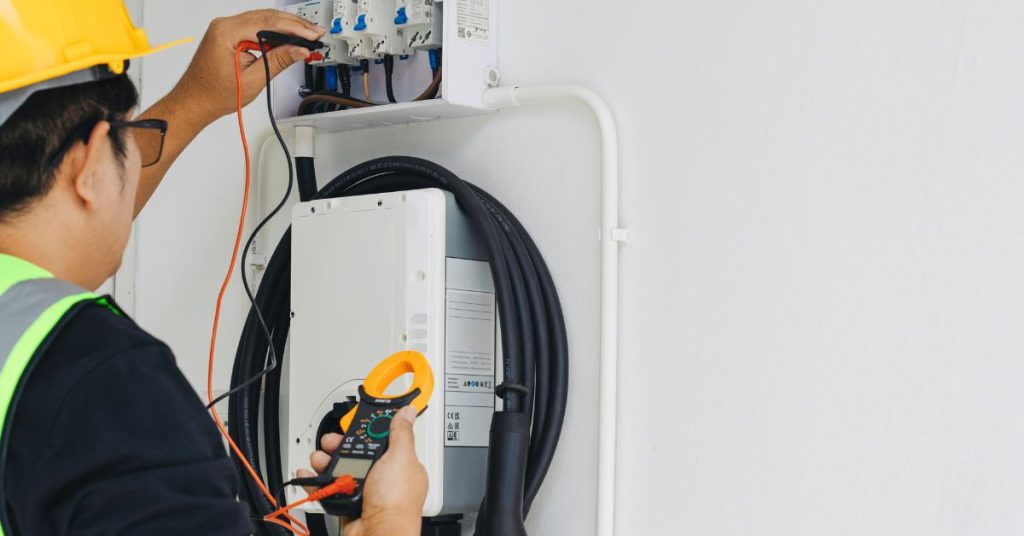
Grounding is a foundational safety measure in any electrical system. During heavy rain, grounding becomes even more essential because the soil becomes more conductive. Improper grounding during wet weather can cause:
- Electrocution risks
- Increased shock hazards when touching metal appliances
- Breaker malfunctions
- Overheating of circuits
Homes with older wiring systems or outdated grounding rods are especially vulnerable. Regular electrical system inspection before storm season helps ensure grounding is safe and up to modern standards.
5. Roof Leaks Leading to Hidden Electrical Damage
Hidden electrical wiring in attics and ceilings can be severely affected by roof leaks during heavy rains. Water may drip onto:
- Light fixtures
- Junction boxes
- Recessed lighting
- Ceiling fans
Even small leaks can result in slow-burning electrical fires, shock hazards, and short circuits. Many homeowners only discover the damage after lights begin flickering or breakers start tripping—often too late to prevent major repairs.
A combination of roof maintenance and proactive electrical inspections prevents these moisture-related dangers.
6. Wet Appliances and Extension Cords
Using appliances or extension cords in wet areas—even accidentally—poses immediate hazards during heavy rain. Risks include:
- Electrocution
- Appliance failure
- Internal wire damage
- Melting or overheating of cords
Outdoor-rated extension cords must always be used outside, but even they should be elevated and protected from pooled water. Indoor appliances should be unplugged immediately if exposed to moisture.
7. Sump Pump Overload and Electrical Failures
Sump pumps often work their hardest during heavy rain. When electrical circuits powering them overload, it may lead to:
- Breaker trips
- Motor burnout
- Basement flooding
- Water intrusion into surrounding outlets
A sump pump should have a dedicated circuit and ideally a battery backup system to function safely during intense storms or unexpected power outages.
8. Malfunctioning GFCIs During Storm Conditions
Ground Fault Circuit Interrupters (GFCIs) are designed to prevent electrical shocks by cutting power instantly when a fault is detected. However, during heavy rains, GFCIs may trip frequently due to:
- Moisture entering outdoor outlets
- Water-damaged appliances
- Wet extension cords
- Faults in wiring
A continually tripping GFCI is not a nuisance—it is a sign of active electrical danger. Immediate inspection is recommended to locate the fault before damage spreads.
9. Corroded Wiring from Long-Term Moisture Exposure
Heavy, persistent rainfall increases humidity levels, which accelerates corrosion in electrical components, especially in:
- Outdoor wiring
- Garage circuits
- Crawl spaces
- Unfinished basements
Corrosion compromises insulation, increases resistance, and raises the risk of overheating or electrical fires. Wiring exposed to moisture should be replaced and properly sealed.
10. Portable Generators Used Incorrectly
During heavy rain, power outages are common, prompting many homeowners to use generators. However, incorrect generator use—especially operating them in wet conditions—can cause:
- Electrocution
- Backfeeding into the grid
- Carbon monoxide buildup
- Fire hazards
Generators must always be operated outdoors, under a dry shelter, and connected via transfer switches installed by licensed electricians.
The CPSC’s generator safety guide provides essential tips for safely operating generators and avoiding serious hazards during storms.
Top Safety Practices Homeowners Should Follow During Heavy Rain
To reduce the risks associated with electrical hazards during storms, we recommend the following:
- Shut off power to flooded rooms immediately—only if safe to do so.
- Keep a safe distance from downed power lines and call authorities.
- Avoid touching wet electrical equipment until inspected by professionals.
- Install surge protection for the entire home.
- Schedule annual electrical inspections to ensure safe performance.
- Check outdoor outlets, lighting, and sealing regularly.
- Ensure grounding systems meet modern safety standards.
Proactive care ensures your home remains safe even under severe weather conditions.
Who to Call for Professional Electrical Services
When electrical hazards appear after heavy rain—such as wet wiring, flooded outlets, or tripping breakers—professional help is essential to avoid further damage and restore safety. Skilled electricians can identify hidden moisture issues, correct faulty components, and ensure your system is functioning properly before problems escalate.
For reliable expertise, homeowners can trust Electricians Service Team for inspections, repairs, and long-term protection. Our licensed specialists respond quickly, provide thorough evaluations, and prioritize your family’s safety. If you suspect electrical issues during storms, contact us today for prompt professional support.
Final Thoughts
Heavy rain can quickly transform minor electrical concerns into serious hazards that threaten your home’s safety and stability. Understanding the risks associated with moisture-exposed wiring, panels, outlets, and appliances helps homeowners take proactive steps to prevent shocks, fires, and system failures. Regular electrical maintenance and early detection remain essential.
Whenever uncertainty arises, it’s best to rely on licensed electricians who can assess damage accurately and restore safe operation. Trust Electricians Service Team to safeguard your home during harsh weather. For dependable protection and expert service, book now and ensure year-round electrical safety.
FAQs
The safest first step is to avoid touching any wet electrical equipment or outlets. If it is safe, turn off the power to the affected area and contact a licensed electrician immediately.
Only outdoor-rated extension cords should be used outside, but even they must be kept away from standing water. Wet cords can cause shocks, short-circuits, and serious fire hazards.
If the outlet repeatedly trips during or after rain, it may indicate moisture intrusion or wiring faults. A licensed electrician should inspect it promptly to prevent further danger.
Water entering panels or breakers can cause arcing, short circuits, and electrocution risks. Even after the water drains, moisture can remain trapped and lead to corrosion or delayed electrical fires.
Annual inspections are recommended to identify worn components, outdated grounding, and moisture vulnerabilities. Regular checkups ensure your system remains safe and performs reliably during severe weather.


