
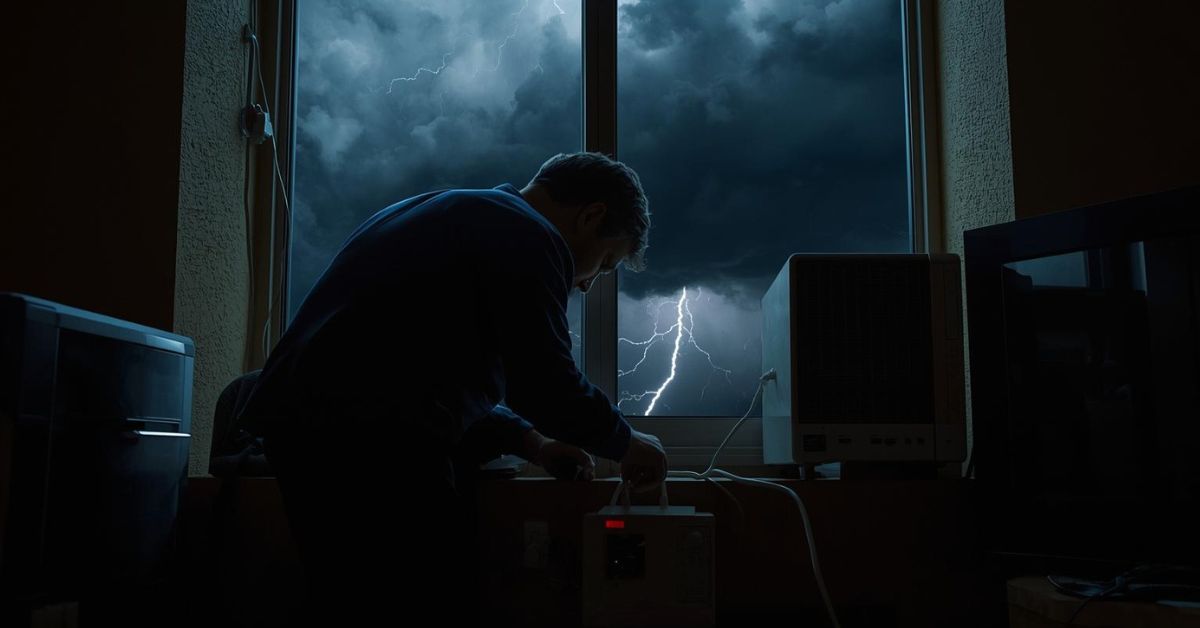
To avoid electrical shock risks in stormy weather, stay indoors, unplug appliances, avoid touching wet electrical equipment, and keep away from downed power lines. Ensure your home’s electrical system is properly grounded for added protection during severe storms and to reduce wet weather electrical risks at home.
Key Takeaways:
- Stay indoors and unplug devices
- Never touch wet electrical equipment
- Avoid downed power lines
- Ground your home’s electrical system for safety
- Know when to call an emergency electrician heavy rain
Stormy weather brings dramatic skies and refreshing rain, but it also increases the danger of electrical shock, power surges, and infrastructure hazards. During lightning storms, flooding, and strong winds, electrical systems become especially vulnerable. As responsible homeowners and safety-conscious individuals, we must understand how to protect ourselves, our households, and our property from these risks.
This comprehensive guide outlines practical, safety-focused, easy-to-follow strategies to reduce electrical hazards during severe weather conditions.
Understanding How Storms Increase Electrical Shock Risk
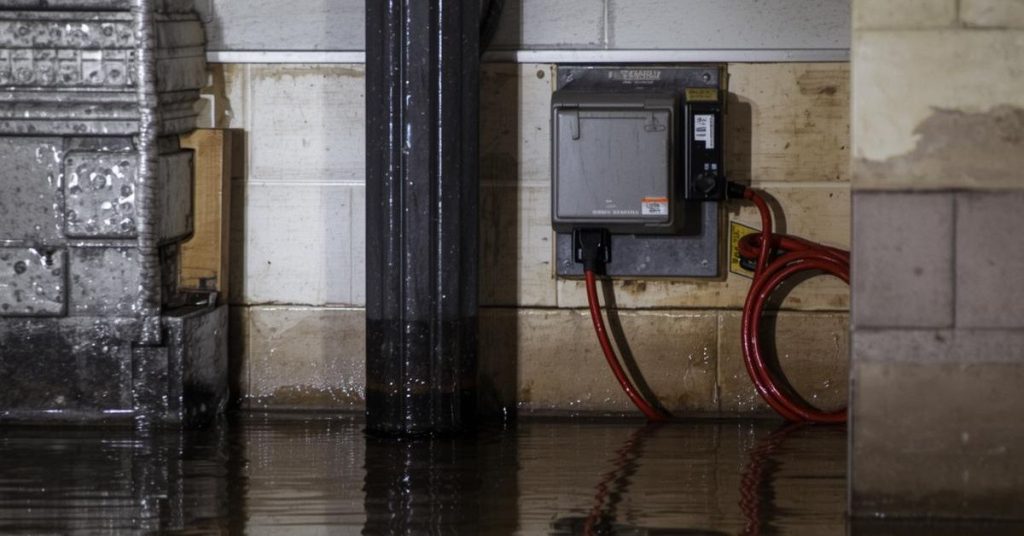
Storms create multiple conditions that heighten electrical danger:
- Lightning strikes that travel through power lines, plumbing, and wiring
- Flooding that submerges electrical equipment or makes surfaces conductive
- Fallen power lines caused by wind or tree collisions
- Power surges that damage appliances or expose faulty wiring
- Wet conditions that reduce insulation resistance and increase shock probability
Recognizing these hazards helps us take swift, informed steps to stay safe. For a comprehensive federal checklist on preparing for thunderstorms and lightning, homeowners can also review Ready.gov’s Thunderstorms & Lightning safety guidelines.
Preparing Your Home’s Electrical System Before a Storm
Inspecting Outlets, Cords, and Panels
Before storm seasons begin, ensure that your electrical system is in strong working order. This includes timely maintenance such as electrical switch and outlet services, which help prevent storm-related malfunctions:
- Replace frayed, cracked, or damaged cords immediately.
- Confirm that outlets near water sources are equipped with GFCIs (Ground Fault Circuit Interrupters).
- Keep the main electrical panel accessible and clearly labeled, enabling quick shutoffs if needed.
- Ensure that appliances and extension cords are plugged into outlets with proper grounding.
Routine maintenance reduces the risk of dangerous malfunctions when severe weather hits.
Install Whole-Home Surge Protection
A whole-home surge protector, installed at the electrical panel by a qualified electrician, helps absorb voltage spikes caused by lightning or grid fluctuations. This protective measure shields:
- Refrigerators
- HVAC systems
- Electronics
- Water heaters
- Smart home devices
Surge protectors are not a luxury—they are a critical layer of defense during storms.
Secure Outdoor Electrical Equipment
Outdoor electrical components are especially vulnerable. We recommend:
- Weatherproofing outdoor outlets with certified covers
- Keeping extension cords off the ground and unplugged when storms approach
- Ensuring landscape lighting is rated for wet conditions
- Elevating outdoor electrical equipment in flood-prone areas
These steps reduce exposure to moisture and prevent short circuits or shock hazards.
Safety Tips to Avoid Electrical Shock During Storms
Never Use Electrical Devices in Wet Conditions
Wet surfaces drastically reduce insulation and make shock more likely. During storms:
- Avoid using plug-in appliances outdoors or near open windows.
- Do not handle electrical devices with wet hands.
- Keep devices away from puddles, damp floors, and leaks.
If flooding enters your home, avoid touching any electrical device or outlet until a professional assesses the situation.
Unplug Appliances During Thunderstorms
Power surges can severely damage household electronics. Unplug:
- TVs
- Computers
- Chargers
- Gaming systems
- Kitchen appliances
Even devices connected to surge strips benefit from unplugging, adding another layer of safety.
Do Not Shower or Bathe During Lightning Storms
Lightning can travel through:
- Plumbing
- Metal pipes
- Water heaters
- Water itself
To prevent shock risks, avoid:
- Showers
- Baths
- Washing dishes
- Handwashing in metal sinks
Wait until the storm has safely passed. The CDC also emphasizes avoiding water use during lightning events, as lightning can travel through plumbing and water.
Stay Away from Windows and Electrical Lines
Lightning can jump across conductive surfaces. Keep your distance from:
- Windows
- Power strips
- Cables
- Wired electronics
Stay at least three feet away from plugged-in devices during a storm.
Handling Power Outages Safely
Use Flashlights Instead of Candles
Flashlights and LED lanterns reduce fire risk and provide reliable illumination. Candles increase the potential for accidental fires, especially during chaotic weather events.
Avoid Touching the Electrical Panel Unless Necessary
If you must turn off power:
- Stand on a dry surface
- Use one hand to avoid creating a circuit
- Do not attempt to reset breakers repeatedly
If breakers continue to trip, wait for an electrician, as persistent issues may require circuit breaker repair.
Beware of Portable Generators
Generators must be used with extreme caution:
- Keep them at least 20 feet away from the home
- Never run a generator in a garage or enclosed space
- Use only outdoor-rated extension cords
- Avoid touching the unit in wet conditions
These steps prevent both electrical shock and carbon monoxide poisoning.
What To Do After the Storm Passes
Stay Away from Downed Power Lines
Assume all fallen power lines are energized—even if they appear inactive. Keep at least 35 feet away and contact the utility company immediately.
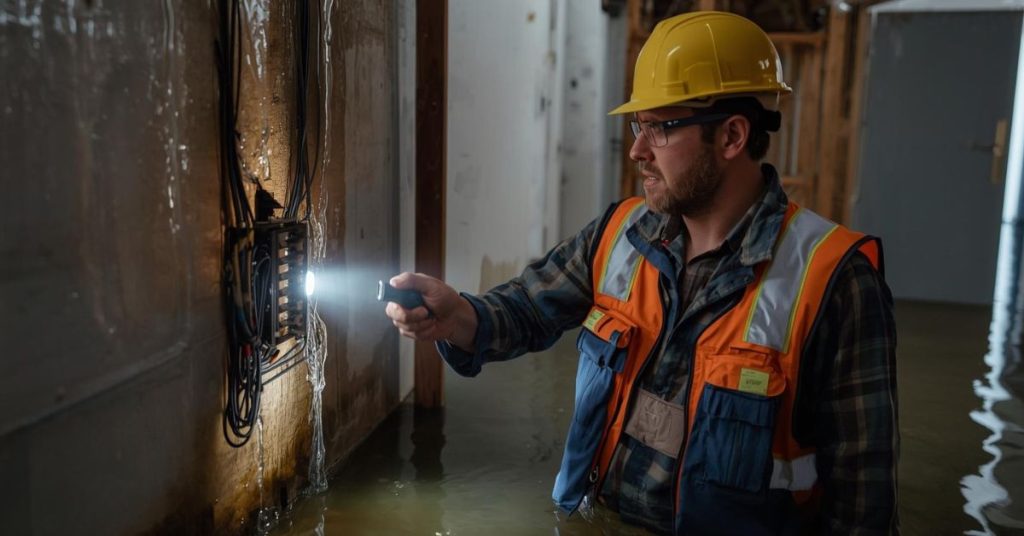
Do Not Touch Flooded Electrical Equipment
If water has reached electrical outlets or appliances:
- Do not plug anything in
- Avoid walking through standing water
- Contact a qualified electrician for inspection
Waterlogged wiring can hold latent risk even after the water recedes.
Inspect Your Home Before Restoring Power
Once conditions are safe:
- Check for visible damage to outlets and fixtures
- Ensure that appliances are dry before reconnecting
- Reset tripped breakers only once
- Call a professional if anything looks abnormal
Restoring power without inspection can lead to shocks, fires, or equipment failure.
Creating a Storm Safety Plan for Your Household
A safety plan provides structure during emergencies. Ours should include:
- A list of appliances to unplug
- Emergency contacts for electricians and utility providers
- Safe evacuation routes that avoid power lines
- A waterproof flashlight and battery kit
- Clear instructions for children about staying away from devices during storms
Preparedness helps ensure safety even in stressful conditions.
Who to Call for Professional Electrical Services
When storm damage puts your home’s electrical safety at risk, trust Electricians Service Team for prompt, certified support. Our experts handle flood-damaged wiring, storm-related power issues, surge protection installs, and full safety inspections to ensure your home remains secure in severe weather.
Whether you need an emergency electrical checkup or preventative electrical maintenance, our licensed electricians deliver dependable, high-quality workmanship. Book Now to get immediate professional assistance and restore peace of mind before the next storm hits.
Conclusion: Staying Electrically Safe in Stormy Weather
Storms can create sudden and dangerous electrical hazards, but taking proactive steps—such as unplugging devices, inspecting outlets, and avoiding wet electrical equipment—greatly reduces the risk. By preparing ahead of time and following safety measures during and after severe weather, you protect your home, your family, and your essential appliances.
Even with the best precautions, some situations require expert attention. When in doubt, rely on professional electricians to keep your home safe. For reliable, storm-ready electrical support, contact us today.
FAQs
It’s best to avoid using plugged-in electronic devices during thunderstorms because lightning can cause dangerous power surges. Unplugging them adds an extra layer of safety.
Stay away from the water and avoid touching any electrical equipment. Contact a licensed electrician immediately to assess the risk before re-entering the area.
If you experience frequent storms, power outages, or sensitive electronics at home, surge protection is highly recommended. A professional can evaluate your electrical panel to determine the right system.
Reset it only once and avoid doing so repeatedly, as this may indicate a serious electrical issue. If the breaker trips again, call an electrician for proper diagnosis.
Always assume it is live and stay at least 35 feet away. Contact your utility company immediately and warn others to keep clear.


