
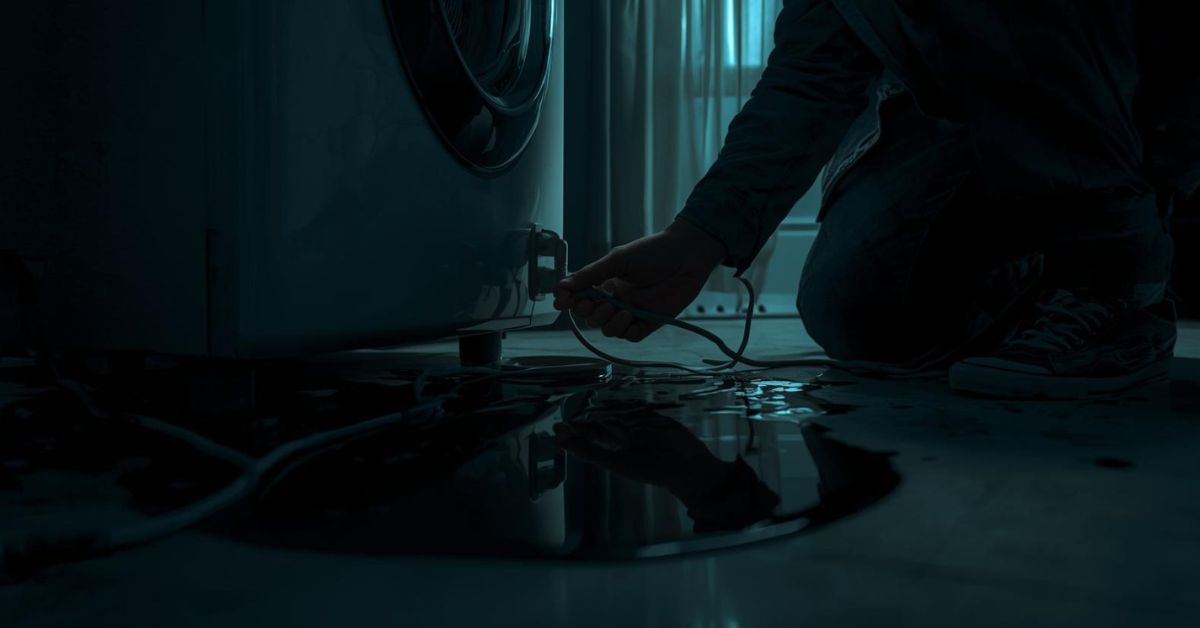
If you notice water leaking near electrical outlets, immediately turn off the power at the breaker, avoid touching the area, and call a licensed electrician to inspect and repair the issue safely.
Key Takeaways:
- Shut off power immediately to prevent shock.
- Do not touch outlets or appliances near water.
- Call a licensed electrician for professional assessment.
- Address leaks promptly to avoid fire hazards.
Water intrusion near electrical outlets is a critical hazard that demands immediate attention. As expert professionals in electrical safety, we emphasize the urgency of identifying, isolating, and resolving the issue before it leads to severe damage, shock risks, or structural harm. This comprehensive guide outlines the safest and most effective steps homeowners should take to protect their property and prevent electrical emergencies.
Understanding the Dangers of Water Near Electrical Outlets
When water makes contact with any electrical component, the risk of short circuits, electrical fires, and live current exposure increases significantly. Even a small amount of moisture can convert a safe system into a dangerous one. Water conducts electricity, meaning it can energize nearby surfaces, walls, or metal objects, putting anyone nearby at risk.
Signs of water intrusion near outlets often include:
- Flickering lights
- Sparking or buzzing outlets
- Discoloration or warping around the outlet cover
- A damp or musty smell
- Tripped circuit breakers
Ignoring these indicators may lead to severe injuries or costly repairs. According to OSHA’s flood response guidance, even minor water exposure can create serious hazards, making immediate power shutoff and professional assessment essential.
Immediate Steps to Take When Water Leaks Near Electrical Outlets
1. Cut Off Power to the Affected Area Immediately
The first and most crucial step is shutting off the power supply. Locate your electrical panel and switch off the breaker that controls the affected outlet or room. If multiple outlets are damp, it is safer to turn off the main breaker.
Once power is off, do not touch the outlet or wet surfaces. Moisture can cause hidden electrical conduction even when the outlet appears dry. The CDC recommends having a licensed electrician inspect your home’s electrical system before restoring power after water exposure to ensure safety.
2. Stop the Water Source at Once
Water may originate from a burst pipe, roof leak, condensation, or appliance malfunction. Identifying and halting the source prevents further saturation and reduces electrical risk.
Common sources include:
- Plumbing leaks inside walls
- Overflowing sinks or tubs
- Roof or window frame leaks
- HVAC condensation leaks
Use towels or buckets to contain water only after confirming the power is off.
3. Avoid Using the Outlet Until It Has Been Professionally Assessed
An outlet exposed to water should never be used until cleared by a licensed electrician. Residual moisture can remain trapped inside the receptacle, creating ongoing risks.
Professionals may determine that:
- The outlet requires replacement
- Wiring within the wall is damaged
- GFCI or AFCI protection must be installed
- Circuits need electrical rewiring after flood due to corrosion
- The breaker requires professional breaker repair to restore safe operation
Attempting a DIY fix can be deadly, especially if the internal wiring has already deteriorated.
Long-Term Risks of Moisture-Compromised Outlets
Corrosion of Electrical Components
Moisture can infiltrate metal terminals and wiring inside outlets, slowly causing rust and weakening connections. Over time, this increases resistance, generates heat, and significantly raises the risk of electrical fires.
Hidden Mold Growth
Water that seeps into walls and behind outlets creates damp environments ideal for mold. This hidden growth can damage building materials and negatively impact indoor air quality, triggering allergies or respiratory issues.
Repeated Circuit Failure
Persistent moisture intrusion can continuously trip breakers, stressing the electrical system. Over time, repeated failures can damage components, reduce system reliability, and increase the likelihood of costly repairs or dangerous malfunctions.
According to FEMA guidance on protecting utility systems from flood damage, electrical components exposed to floodwaters often require replacement to prevent hidden hazards and ensure home safety.
How Professionals Restore Safety After Water Damage
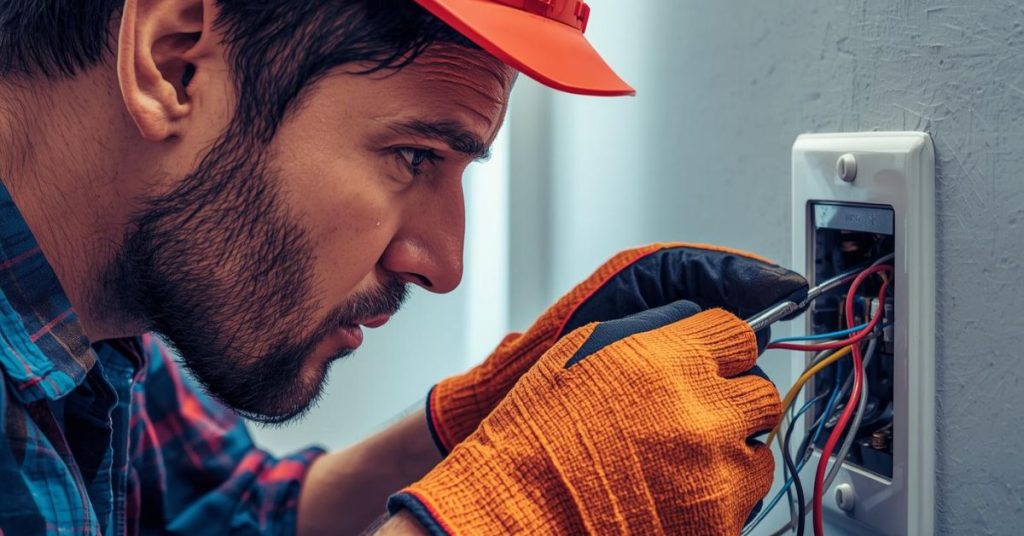
1. Detailed Moisture Inspection
Electricians use specialized tools like moisture meters and thermal cameras to locate hidden water within walls, ceilings, and electrical boxes. This precise assessment ensures no damp areas remain unnoticed, preventing future hazards.
2. Outlet and Wiring Replacement
Depending on severity, electricians often replace:
- The outlet and faceplate
- Damaged wiring
- Insulation around the electrical box
3. Installation of GFCI Protection
To enhance safety, GFCI (Ground Fault Circuit Interrupter) outlets are installed in areas prone to moisture, such as:
- Kitchens
- Bathrooms
- Basements
- Laundries
This reduces shock risks in the future.
4. Ensuring Proper Wall Drying
Before closing walls, experts thoroughly dry interior spaces using fans, dehumidifiers, or ventilation. Complete drying prevents mold growth, protects structural integrity, and ensures electrical components remain safe for long-term use.
5. Proactive Inspections
Homeowners are encouraged to schedule an electrical system inspection before storm season to identify vulnerabilities early. These inspections help prevent water-related hazards and ensure wiring remains safe and functional under extreme weather conditions.
Preventive Measures to Avoid Future Water Leaks Near Outlets
Seal and Maintain Vulnerable Entry Points
Prevent water from entering walls by maintaining:
- Window caulking
- Roof shingles
- Plumbing joints
- Exterior siding
Regular inspections help identify early wear and tear.
Install Protective Electrical Hardware
Use:
- Weather-resistant outlets
- GFCI outlets
- AFCI breakers
- Waterproof outlet covers
These greatly reduce electrical shock and fire risks.
Monitor Indoor Humidity Levels
High humidity can cause condensation near outlets. Homeowners should maintain indoor levels between 30% and 50% using:
- Dehumidifiers
- Proper ventilation
- Adequate HVAC maintenance
Address Plumbing and Roofing Issues Promptly
Address plumbing and roofing issues as soon as they appear, even if the problem seems minor. Slow drips or small leaks can gradually seep into walls, weaken structural materials, and create hidden moisture pockets. Over time, this moisture can spread toward electrical components, making the involvement of professional wiring services essential to ensure safety.
When water reaches electrical areas, it increases the risk of shorts, corrosion, and potential fire hazards. Timely repairs protect your home and reduce future expenses. Pairing prompt leak fixes with expert electrical switches and outlet services ensures every affected system remains safe and fully functional.
Who to Call for Professional Electrical Services
If you notice water near your outlets or suspect wiring damage, it’s essential to reach out to licensed experts immediately. The Electricians Service Team specializes in fast and safe solutions for water-damaged outlets, circuit issues, and wiring repairs. Our experienced technicians provide thorough inspections, moisture assessments, and professional repairs to ensure your home remains safe and fully functional.
For reliable electrical services, don’t wait until minor issues become major hazards. Contact us now to schedule an inspection or emergency visit and protect your home from potential shocks, fires, or structural damage.
When to Call a Professional Immediately
You should contact an electrician right away if:
- Water continues leaking near outlets
- There is visible smoke, sparks, or burning smells
- Circuit breakers trip repeatedly
- Wall discoloration spreads
- You suspect hidden internal water damage
Delaying professional assistance can turn a manageable issue into a major hazard.
Final Thoughts
Water near electrical outlets is a serious hazard that requires immediate attention. Shutting off power, stopping the water source, and contacting a licensed professional are the first steps to protect your home and family. Ignoring the issue can lead to electrical shocks, fires, or costly repairs.
Preventing long-term damage and ensuring safety is only possible with proper remediation by experts. Don’t wait until a small leak becomes a major danger. Book now with the Electricians Service Team for fast, reliable, and professional electrical solutions.
FAQs
No, using a wet outlet is extremely dangerous because water conducts electricity and can cause shocks or fires. Always turn off power and have a licensed electrician inspect it before use.
You should not use the outlet until a professional confirms it is safe. Even small amounts of residual moisture can create hidden hazards inside the wiring.
GFCI (Ground Fault Circuit Interrupter) outlets are recommended for kitchens, bathrooms, basements, and laundry areas. They automatically cut off power when moisture or a ground fault is detected, reducing shock risk.
Yes, water can seep into walls and compromise wiring, outlets, and circuit breakers. This may cause repeated tripping, corrosion, or potential fire hazards.
Regularly inspect and maintain plumbing, roofing, window caulking, and siding to prevent leaks. Additionally, installing waterproof or weather-resistant outlets and controlling indoor humidity can help protect electrical systems.


