
If your home is more than 30 years old, there’s a good chance your electrical wiring hasn’t kept pace with the demands of modern life. Outdated electrical wiring is one of the leading causes of house fires in the United States — and the scariest part is that most homeowners have no idea there’s a problem until it’s too late.
Knowing the warning signs of outdated electrical wiring can protect your family, your home, and your finances. In this guide, we’ll walk you through the 8 most dangerous red flags to watch for, what causes them, and what you should do if you spot them.
Why Outdated Electrical Wiring Is So Dangerous
Electrical systems were not designed to last forever. Wiring installed decades ago was built for a world with far fewer electrical devices. Today’s homes run multiple televisions, computers, smart devices, kitchen appliances, and EV chargers — all on systems that were never designed to handle that kind of load.
Over time, insulation around wires breaks down, connections loosen, and outdated materials like aluminum wiring or knob-and-tube systems become serious fire and shock hazards. According to the Electrical Safety Foundation International, electrical fires account for more than 50,000 home fires every year in the U.S., causing hundreds of deaths and billions of dollars in property damage.
The good news? Most of these fires are entirely preventable — if you know what to look for.
8 Warning Signs of Dangerously Outdated Electrical Wiring
1. Flickering or Dimming Lights
Occasional flickering might seem like a minor annoyance, but it’s often one of the first signs of a serious wiring problem. Flickering or dimming lights — especially when you turn on a large appliance like a washing machine or microwave — suggest that your wiring can’t handle the electrical load being placed on it. This is known as a voltage fluctuation, and it can cause long-term damage to your appliances and, more importantly, create overheating in your walls that you simply can’t see.
If the flickering is isolated to one fixture, the fix may be as simple as replacing a bulb or tightening a connection. But if it’s happening throughout your home, it’s time to call a licensed electrician immediately.
2. Frequently Tripping Circuit Breakers
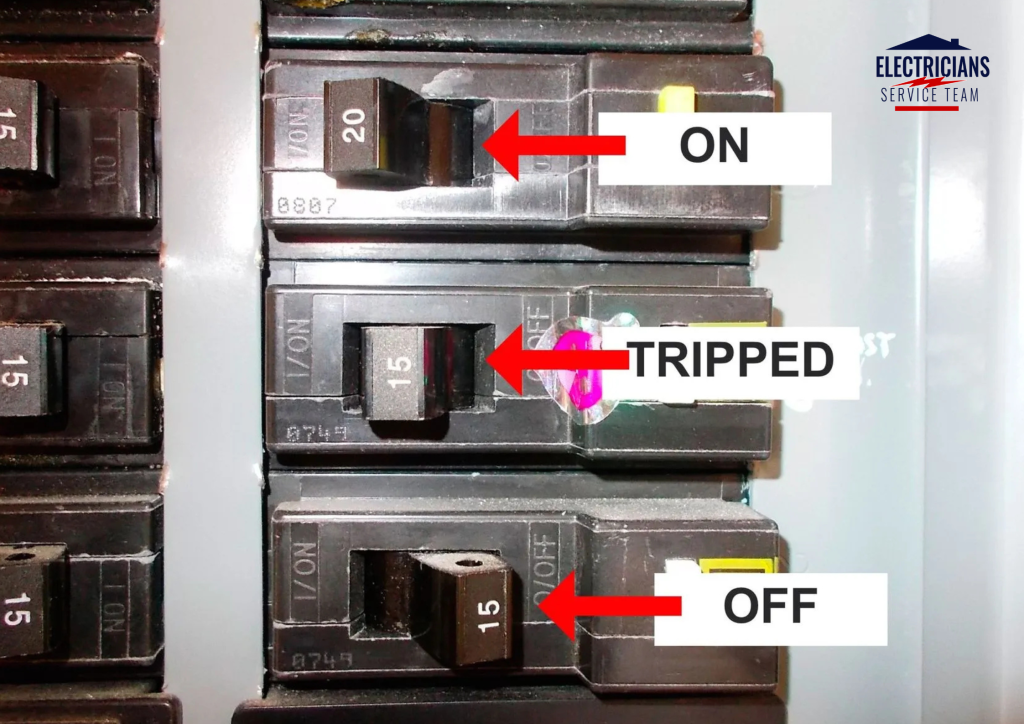
Your circuit breaker is designed to trip when a circuit is overloaded — it’s a safety feature, not a flaw. But if your breakers are tripping on a regular basis, that’s your electrical system telling you something is seriously wrong. Frequent tripping usually means your home’s wiring can no longer support the electrical demand of your household. In older homes, this is often because the electrical panel itself is undersized — many homes built before the 1980s were wired for 60 or 100 amps, while modern households typically require 200 amps or more.
Repeatedly resetting a tripping breaker without addressing the root cause is dangerous. It puts stress on your wiring and increases the risk of overheating and fire.
3. Discolored or Scorched Outlets and Switch Plates
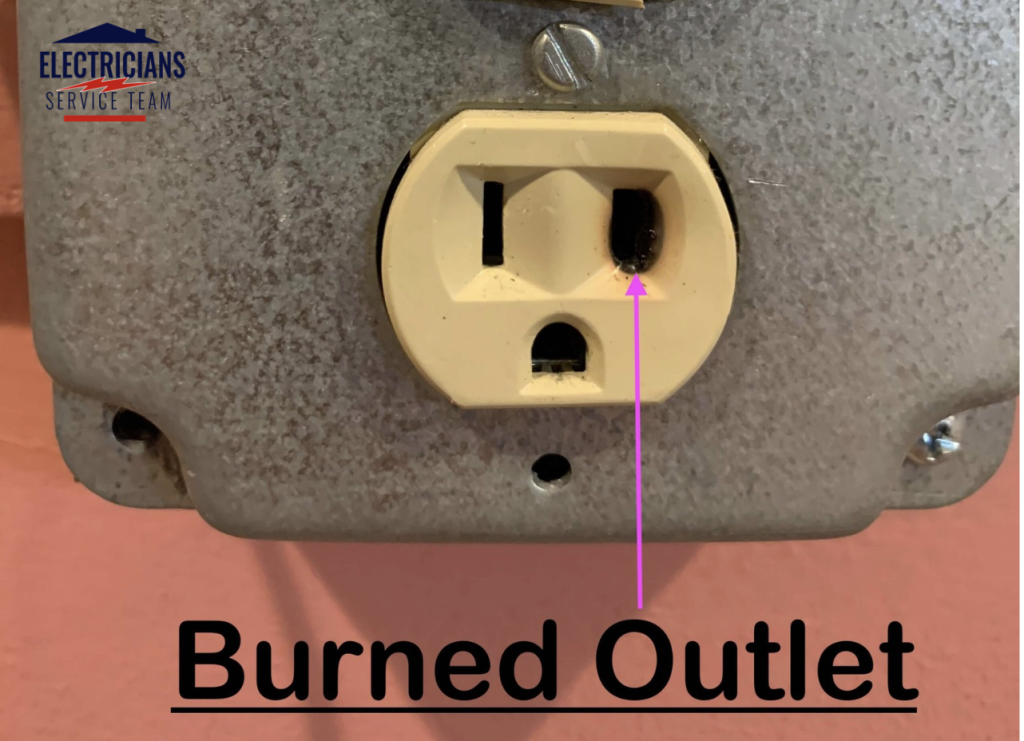
Brown or black scorch marks around an outlet or light switch are a serious red flag that should never be ignored. Discoloration around outlets is almost always a sign that arcing — a dangerous electrical discharge — has occurred inside your wall. Arcing happens when electricity jumps between loose or deteriorated connections, generating intense heat that can ignite nearby materials.
If you notice any discoloration, burning smell, or warmth around an outlet or switch plate, stop using it immediately and call a licensed electrician. This is not a wait-and-see situation.
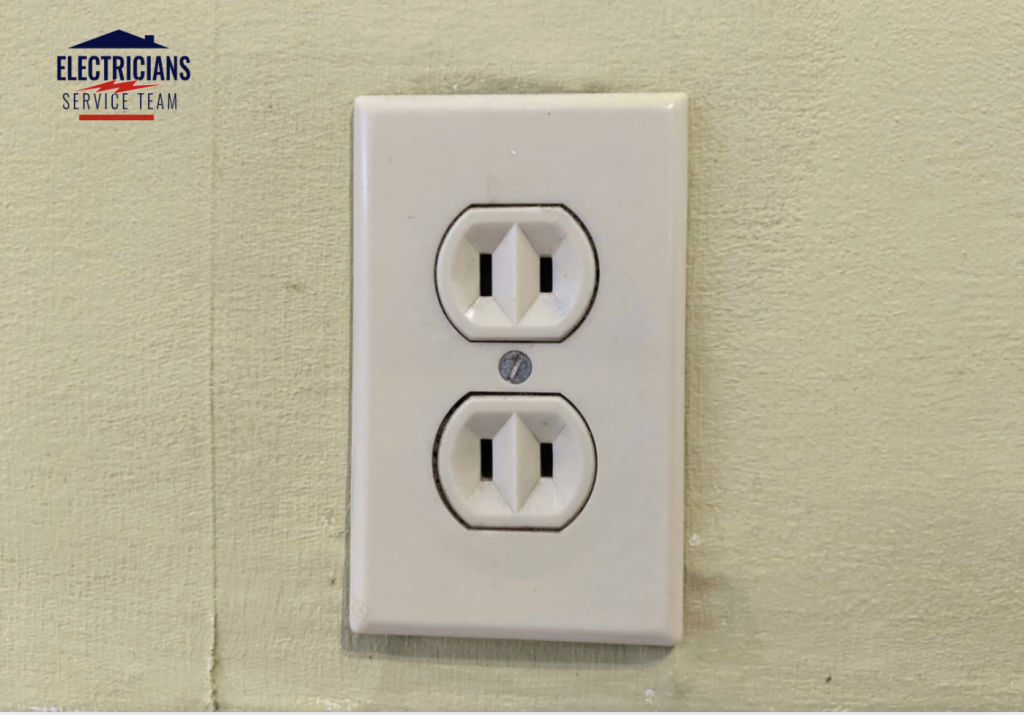
4. Outlets That Only Have Two Prongs
If your home still has two-prong ungrounded outlets, your electrical system is decades behind modern safety standards. Three-prong grounded outlets have been the standard since the 1960s because the third prong — the ground — provides a safe path for excess electricity in the event of a fault, protecting both you and your appliances.
Two-prong outlets are not just inconvenient — they leave your home vulnerable to electrical shock and increase the risk of damage to sensitive electronics. Upgrading to grounded outlets is a relatively straightforward job for a licensed electrician and one of the most impactful safety improvements you can make in an older home.
5. A Burning Smell With No Obvious Source
A persistent burning smell — especially one that smells like melting plastic or singed wood — coming from your walls, outlets, or electrical panel is one of the most urgent warning signs on this list. This odor is often caused by overheating wires whose insulation is burning away inside your walls. By the time you can smell it, the damage may already be significant.
Do not ignore a burning smell and assume it will go away. Turn off the circuit you suspect is involved, and contact a licensed electrician the same day. In severe cases, this warrants an immediate call to your local fire department.
6. Aluminum Wiring Throughout the Home
Aluminum wiring was commonly used in homes built between 1965 and 1973 as a cheaper alternative to copper. The problem is that aluminum expands and contracts more than copper with changes in temperature, causing connections to loosen over time. Loose connections create heat, and heat creates fire risk.
Homes with aluminum wiring are 55 times more likely to have a fire hazard condition than homes wired with copper, according to the U.S. Consumer Product Safety Commission. If your home was built during this era, have a licensed electrician inspect your wiring and discuss remediation options, which may include replacing outlets and switches with aluminum-rated devices or rewiring sections of the home with copper.
7. Knob-and-Tube Wiring Still in Use
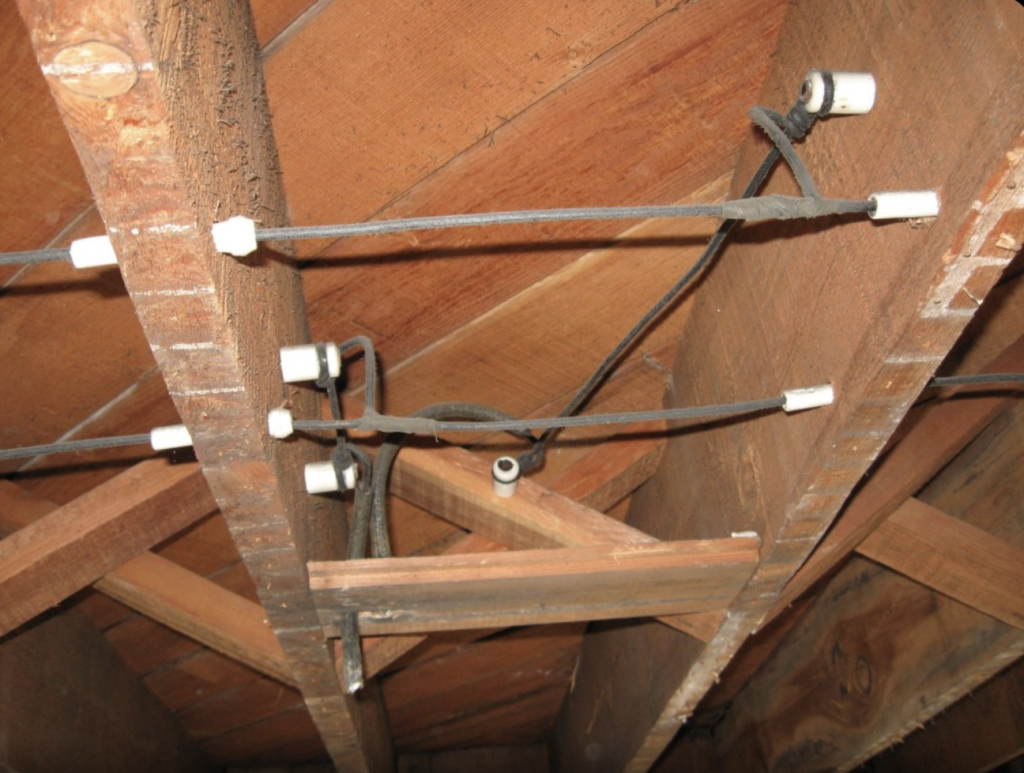
Knob-and-tube wiring was a standard installation method from the 1880s through the 1940s. If your home was built during this period and has never been rewired, there’s a chance this outdated system is still in place. Knob-and-tube wiring has no ground wire, the insulation becomes brittle and cracks with age, and it was never designed to handle modern electrical loads.
Many insurance companies will refuse to cover homes with active knob-and-tube wiring, or will charge significantly higher premiums. If you have knob-and-tube wiring, full replacement by a licensed electrician is the only truly safe solution.
8. An Electrical Panel With Fuses Instead of Breakers
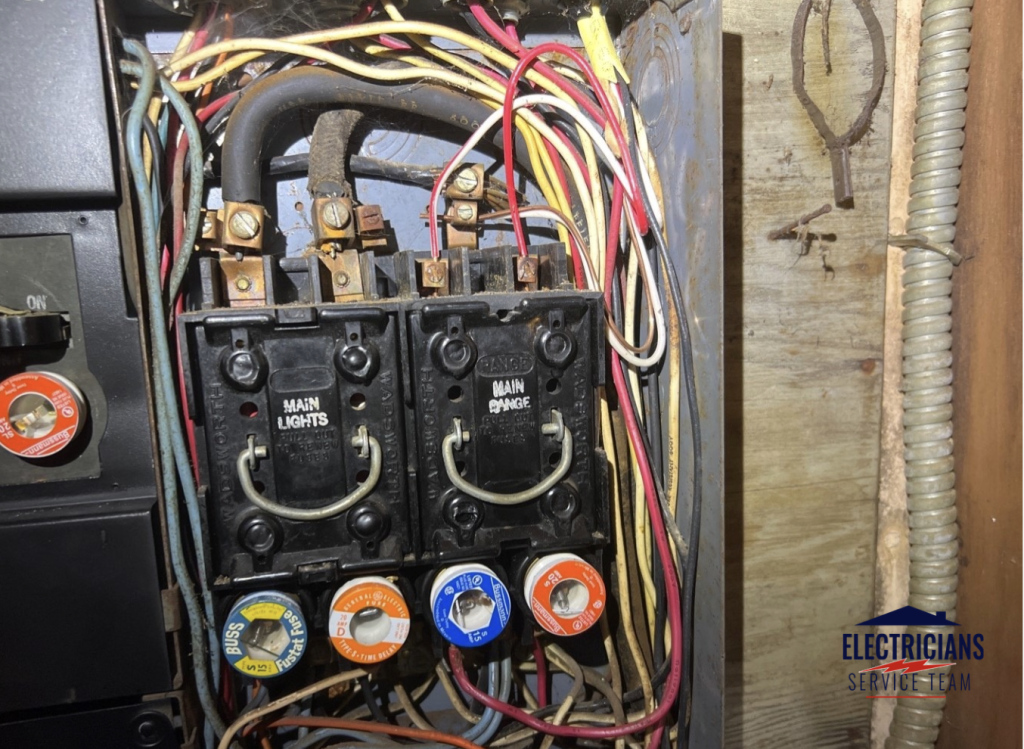
Fuse boxes were the standard before circuit breakers became widely adopted. If your home still has a fuse box, it’s a strong indicator that your electrical system hasn’t been meaningfully updated in decades. Fuse boxes are not inherently dangerous, but they are far less convenient and often less safe than modern circuit breaker panels — particularly because homeowners sometimes replace blown fuses with the wrong amperage, bypassing the safety protection entirely.
Beyond safety concerns, a fuse box is a signal that the rest of your electrical system may also be outdated. An electrical panel upgrade is one of the most valuable improvements you can make to an older home — for safety, for insurance purposes, and for resale value.
What to Do If You Spot These Warning Signs
If you’ve recognized one or more of these warning signs in your home, the most important thing you can do is act quickly. Electrical problems rarely fix themselves — they almost always get worse over time.
Here’s what to do:
- Don’t ignore it. Even small signs like flickering lights or warm outlets can indicate a serious underlying problem.
- Stop using affected outlets or circuits until they’ve been inspected by a professional.
- Schedule a whole-home electrical inspection with a licensed electrician. A thorough inspection will identify every potential hazard in your system and give you a clear roadmap for what needs to be addressed.
- Get multiple quotes if major work like rewiring or panel replacement is recommended, but don’t let cost be the only factor — your family’s safety is worth the investment.
How Often Should You Have Your Electrical System Inspected?
Even if you haven’t noticed any warning signs, regular electrical inspections are a smart investment for any homeowner. Most licensed electricians recommend a full inspection every 10 years for homes under 40 years old, and every 5 years for older properties. You should also schedule an inspection any time you purchase a new home, complete a major renovation, or add high-demand appliances like an EV charger or hot tub.
If your home is showing any of these warning signs, contact a licensed electrician today for a full safety inspection. It’s the single most important step you can take to protect your home, your family, and your peace of mind.
Frequently Asked Questions
The most reliable way is to schedule a professional electrical inspection. However, common indicators include two-prong outlets, a fuse box instead of a circuit breaker panel, flickering lights, and a home built before 1980 that has never been rewired.
The cost to rewire a home typically ranges from $8,000 to $15,000 depending on the size of the home, accessibility of the wiring, and your location. While it’s a significant investment, it dramatically increases safety and can raise your home’s resale value.
Many insurance companies will not cover homes with knob-and-tube or aluminum wiring, or will charge significantly higher premiums. Upgrading your electrical system can actually lower your insurance costs over time.
Electrical work beyond basic tasks like replacing a light switch should always be performed by a licensed electrician. DIY electrical repairs that are done incorrectly are a leading cause of house fires and can also void your homeowner’s insurance.
A full rewire of an average-sized home typically takes 3 to 7 days depending on the size, age, and complexity of the property. Your electrician can give you a more accurate timeline after an initial assessment.