EV charger installation in Los Angeles requires a licensed electrician, a dedicated 240-volt outlet installation, proper load calculations, and city permits to ensure safety and code compliance. Most homeowners choose a Level 2 charger for faster charging, energy efficiency, and long-term reliability. Professional installation protects your home, vehicle, and warranty while preparing your property for future EV demand.
Key Takeaways:
- Hire licensed electricians for safe, code-compliant installation
- Choose a Level 2 charger for faster, efficient charging
- Secure required Los Angeles electrical permits
- Verify panel capacity before installation
- Use smart charging to reduce energy costs
- Install an EV-ready home system for future upgrades
Why Installing a Home EV Charger Is Essential
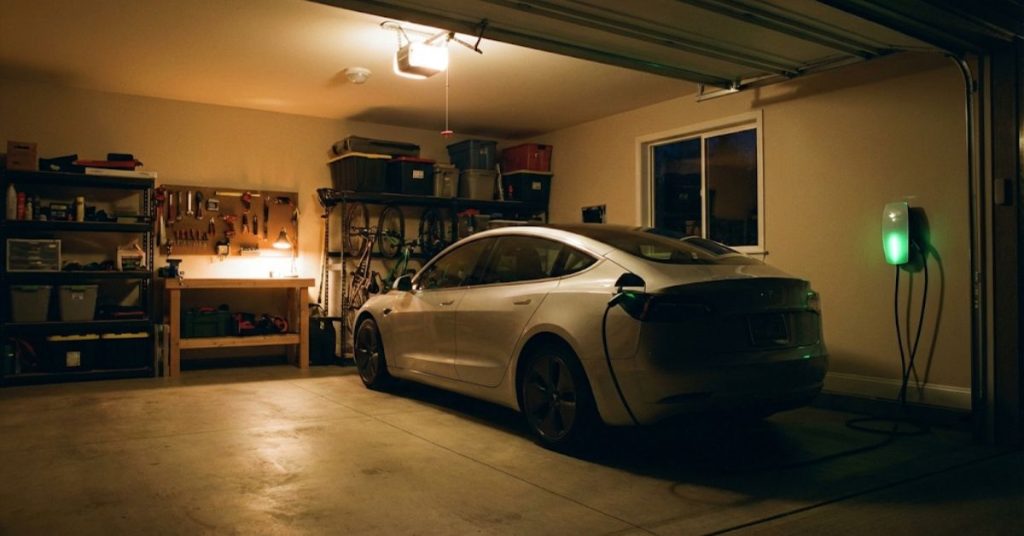
Public stations are growing, but they cannot match the convenience of charging at home. A residential EV infrastructure setup gives you:
When we install a home charging station, homeowners benefit from:
- Overnight full charging
- Lower per-kilowatt energy costs
- Enhanced battery longevity
- Increased property appeal
- Complete control over charging schedules
California leads the nation in EV adoption, with over 1.2 million electric vehicles registered statewide, according to the California Energy Commission. As EV ownership rises, EV-ready homes are becoming highly desirable in Los Angeles real estate markets.
Installing your own charger eliminates waiting lines and prepares your home for the future.
Understanding Home Charging Levels
Before installation, selecting the appropriate charging level is crucial. We help homeowners choose the most efficient and future-proof system.
Level 1 Charging
- Uses a standard 120V outlet
- Adds 3–5 miles of range per hour
- Suitable for low-mileage drivers
Level 2 Charging (Most Recommended)
- Requires a 240V dedicated circuit
- Adds 20–40 miles of range per hour
- Ideal for daily commuters and multi-vehicle households
Level 2 charging provides the optimal balance of speed and affordability for most properties. For more details on different home charging levels, the EPA’s Home EV Charging Guide offers a comprehensive overview of best practices.
Electrical Panel Assessment and Capacity Planning
Every EV charger installation starts with checking your electrical panel.
Our licensed electricians evaluate:
- Panel amperage rating
- Available breaker space
- Load calculations
- Existing wiring
- Grounding and bonding compliance
- NEC Article 625 requirements
Many older homes require electrical panel upgrade services before installation. If needed, we install subpanels or upgrade the main panel safely.
Upgrading your panel also improves home safety. We recommend pairing installation with a home electrical safety inspection for maximum protection.
Permits and Local Compliance
Los Angeles requires electrical permits for EV charger installations to ensure safety and adherence to building codes. We handle the entire permitting process, including:
- Filing permit applications
- Coordinating inspections
- Ensuring NEC (National Electrical Code) compliance
- Meeting local city ordinances
Homeowners avoid administrative stress while gaining full legal compliance and peace of mind. Federal resources also provide insight into broader EV infrastructure support — the DOT Federal EV Infrastructure Funding outlines programs that help with accessibility and development.
Choosing the Right Charger for Your Home
Not all EV chargers are created equal. We guide homeowners through selecting a unit that matches their driving habits and future needs. Key considerations include:
- Amperage capacity (32A, 40A, 48A, or higher)
- Smart connectivity features
- Wi-Fi and app integration
- Cable length and weather rating
- Wall-mounted vs pedestal-mounted design
A properly selected charger maximizes efficiency and ensures compatibility with current and future electric vehicle models.
Installation Process: Step-by-Step Professional Execution
Our structured approach ensures precision and reliability in every project.
1. Site Evaluation
We determine optimal placement based on:
- Garage layout
- Driveway accessibility
- Electrical panel proximity
- Ventilation requirements
2. Dedicated Circuit Installation
A dedicated 240V circuit is installed with:
- Properly sized wiring
- Correct breaker configuration
- Surge protection if required
3. Mounting and Wiring
The charger is securely mounted, wired, and tested to ensure operational safety and stability.
4. Final Inspection and Testing
We conduct:
- Voltage testing
- Ground-fault protection checks
- Load balancing verification
The system is activated only after passing strict performance standards.
Cost Factors and Budget Planning
Homeowners often ask about pricing variables. The total cost depends on:
- Distance between panel and charger location
- Electrical panel upgrade requirements
- Charger model and amperage
- Wall material (drywall, concrete, brick)
- Permit and inspection fees
We prioritize transparency and provide affordable EV charger installation solutions without compromising quality or safety.
Benefits of Professional Installation vs DIY
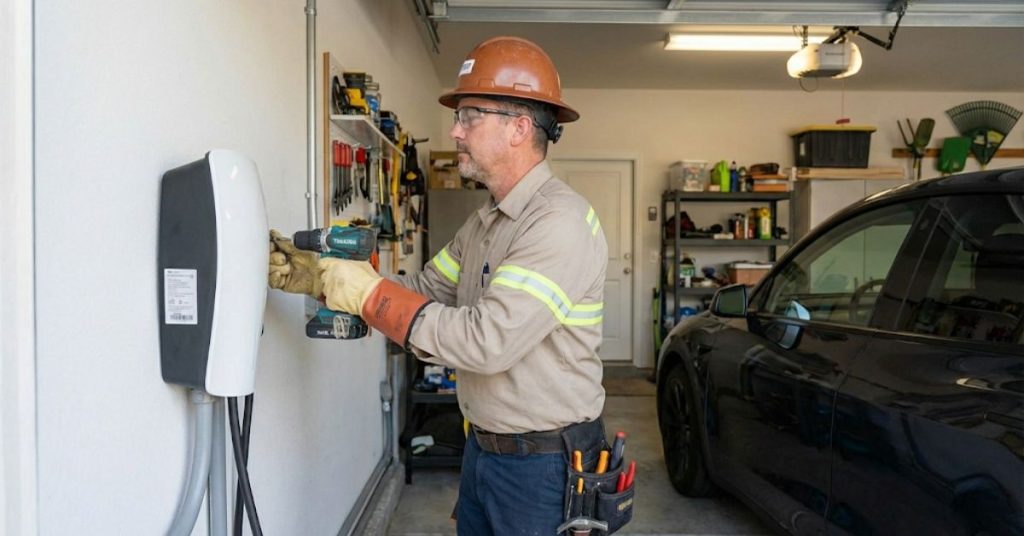
While some may consider a do-it-yourself approach, improper installation can result in:
- Overloaded circuits
- Fire hazards
- Warranty voidance
- Insurance claim denial
- Failed city inspections
Professional installation ensures full compliance, optimal performance, and long-term reliability.
Energy Efficiency and Smart Charging Optimization
Modern EV chargers include smart features that enhance energy efficiency. We help homeowners leverage:
- Time-of-use scheduling
- Solar integration compatibility
- Load management systems
- Remote monitoring through mobile apps
These tools reduce peak-hour energy costs and align charging with renewable energy production when available.
Future-Proofing Your Property
Electric vehicle adoption continues to grow. Installing a high-capacity charger today prepares your home for:
- Second EV purchases
- Higher battery capacity vehicles
- Increased charging speed standards
- Smart grid integration
Future-ready infrastructure prevents costly upgrades later.
Indoor vs Outdoor Installation Considerations
Depending on your property layout, we recommend tailored solutions.
Indoor Installation Advantages
- Protection from weather
- Reduced exposure to UV damage
- Cleaner cable management
Outdoor Installation Advantages
- Driveway flexibility
- Multi-vehicle accessibility
- Space optimization
Outdoor units are installed with NEMA-rated enclosures for maximum durability.
Increasing Property Value Through EV Infrastructure
A professionally installed charging station enhances property desirability. Buyers increasingly seek homes with built-in EV capabilities. Real estate data indicates that EV-ready homes often:
- Sell faster
- Command premium pricing
- Attract environmentally conscious buyers
Charging infrastructure is becoming a standard feature in modern residential markets.
Maintenance and Long-Term Performance
After installation, minimal maintenance is required. However, we recommend:
- Annual inspection of wiring connections
- Software updates for smart chargers
- Visual inspection of cables and connectors
- Surge protection checks after electrical storms
Proactive maintenance ensures uninterrupted performance for years to come.
Why Homeowners Trust Electricians Service Team
We bring experience, precision, and reliability to every project. Our team is committed to:
- Licensed and insured service
- Transparent pricing
- Rapid response scheduling
- Thorough post-installation support
- Long-term system reliability
We combine technical expertise with customer-centered service, ensuring every installation exceeds expectations.
Experience expert electrical service—contact us today!
About the Author
Reviewed by a Licensed Electrical Contractor at Electricians Service Team
Our team specializes in EV charger installation in Los Angeles, electrical panel upgrades, and residential wiring solutions. With extensive hands-on experience and full licensing, we ensure every installation meets NEC standards and local city regulations.
Ready for reliable home EV charging? Book Now!
FAQs
Most homeowners prefer Level 2 chargers for faster charging and efficiency, but Level 1 may work for low-mileage drivers.
Yes, all home EV charger installations require electrical permits to ensure code compliance and safety.
DIY installation is risky. Professional electricians ensure proper wiring, GFCI protection, and city inspection approval.
Cost varies based on charger type, electrical panel upgrades, distance from panel, and permit fees. Federal incentives may help reduce expenses.
Use smart charging features, time-of-use schedules, and solar integration to reduce energy costs and optimize home charging.