Protecting your home starts with something small but life-saving: smoke detectors. Performing a thorough smoke detector safety check—testing alarms monthly, replacing batteries yearly, keeping detectors clean, and ensuring they’re unobstructed—can prevent fire-related disasters and give your family peace of mind.
Key Takeaways:
- Test alarms monthly for functionality.
- Replace batteries annually.
- Keep detectors clean and unobstructed.
- Regular checks ensure home safety.
- A smoke detector safety check can prevent fire emergencies.
At Electricians Service Team, we stress that maintaining fully functional smoke detectors isn’t optional—it’s a critical part of home safety. With routine inspections and proper care, you can catch hazards early, reduce risk, and protect what matters most.
Why Regular Smoke Detector Safety Checks Are Crucial
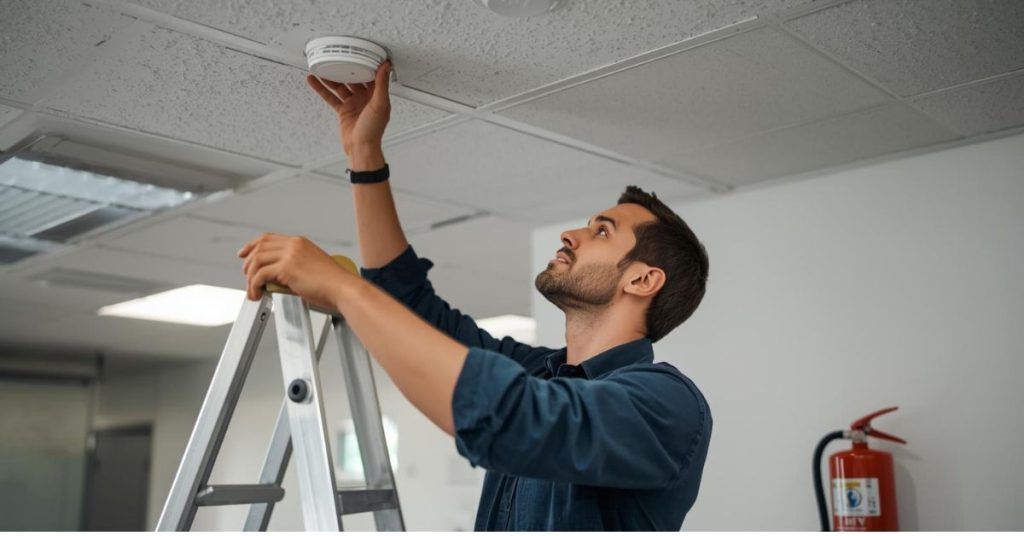
Smoke detectors are your first line of defense against home fires. Even the smallest malfunction can put your family at risk. Many homeowners overlook regular maintenance, leaving alarms ineffective when they’re needed most.
Performing a smoke detector safety check involves more than just pressing the test button—it ensures all components function correctly and alerts homeowners to potential hazards.
Key reasons for regular checks include:
- Early Fire Detection: Functioning alarms detect smoke promptly, giving occupants vital time to evacuate.
- Compliance with Safety Standards: Regular checks ensure your smoke detectors meet local fire regulations.
- Battery Reliability: Prevents unexpected alarm failure due to dead or weak batteries.
- Peace of Mind: Knowing your alarms are operational reduces anxiety and enhances household safety.
Step-by-Step Smoke Detector Safety Checks
Follow these steps to keep every smoke detector in your home fully operational:
1. Test the Alarm Regularly
Press the test button on each detector and listen carefully. A weak or silent alarm means it’s time for a battery replacement. Monthly testing ensures your alarms are always ready.
2. Inspect Smoke Detector Placement
Correct placement maximizes detection efficiency. Smoke detectors should be:
- Installed inside every bedroom
- Placed in hallways outside sleeping areas
- Mounted on every level of the home, including basements
- At least 10 feet from cooking appliances to prevent false alarms
3. Clean the Smoke Detectors
Dust, dirt, and cobwebs can interfere with sensors. Use a vacuum or soft brush to remove debris from vents. Clean detectors function more reliably and reduce false alarms.
4. Replace Old Units
Smoke detectors lose efficiency over time. Replace units older than 10 years to ensure reliable detection.
5. Scheduling Residential Smoke Alarm Inspection
A licensed electrician can perform a thorough residential smoke alarm inspection, checking sensors, wiring, and interconnections.
For more tips on keeping your home’s electrical system safe, see The Importance of Regular Home Electrical Inspections.
Battery Maintenance and Replacement
Batteries are the most common cause of smoke detector failures. Maintaining them correctly is a critical part of smoke detector maintenance service. Best practices include:
- Replace batteries at least once a year
- Use high-quality alkaline or lithium batteries
- Test alarms monthly during battery-powered alarm testing
- Keep spare batteries accessible near detector locations
The U.S. Consumer Product Safety Commission (CPSC) highlights that battery maintenance is critical for preventing smoke detector failures. Learn more at their Fire Safety Information Center.
Incorporating Smoke Detector Checks Into Your Home Fire Safety Checklist
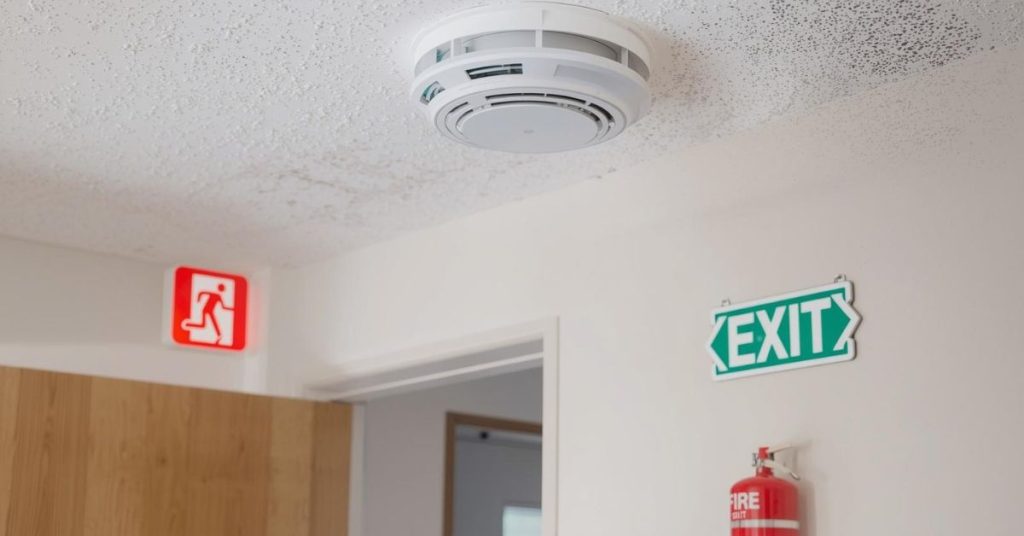
A complete home fire safety checklist integrates smoke detector maintenance with other critical safety measures. Include the following items:
- Check Fire Extinguishers: Ensure each extinguisher is fully charged and accessible.
- Inspect Emergency Exits: Clear all pathways and mark exits for quick evacuation.
- Review Family Evacuation Plan: Conduct practice drills to ensure everyone knows escape routes.
- Maintain Smoke Detectors: Perform all steps outlined in your smoke detector safety check.
- Install Carbon Monoxide Detectors: Enhance overall home safety with CO monitoring.
Regularly following these steps creates a safer home environment and minimizes risks.
Professional Smoke Detector Inspection Benefits
While DIY checks are effective, a professional smoke detector inspection provides an added layer of assurance.
Certified technicians from Electricians Service Team can:
- Identify hidden issues with hardwired or interconnected alarms
- Test smoke sensitivity to comply with safety standards
- Recommend system upgrades or replacements for aging units
- Ensure full coverage for larger or multi-story homes
Professional inspections are especially valuable for high-risk homes or properties with older electrical systems.
Stay safe—contact us today for professional smoke detector services!
Common Mistakes to Avoid During Smoke Detector Checks
Even well-intentioned homeowners can make mistakes that compromise safety. Avoid these errors:
- Ignoring Dead Batteries: Replacing batteries only when alarms stop working can delay detection.
- Placing Alarms Incorrectly: Avoid corners, drafty areas, or locations near vents.
- Skipping Cleaning: Dust accumulation can prevent alarms from detecting smoke.
- Neglecting Professional Inspections: Some defects are invisible to DIY checks.
Upgrading Your Smoke Detector System
Modern smoke detectors offer advanced features that improve safety and convenience:
- Interconnected Alarms: Trigger all alarms simultaneously for faster notification.
- Dual-Sensor Technology: Combines ionization and photoelectric detection for all fire types.
- Smart Alarms: Receive alerts on your phone for smoke, battery status, or maintenance needs.
Upgrading is particularly important for families with young children, elderly occupants, or homes with multiple levels.
Conclusion
A simple smoke detector safety check is a small effort that provides huge peace of mind. Monthly testing, cleaning, battery maintenance, and professional inspections form a strong defense against fires. Following a home fire safety checklist and scheduling professional inspections when needed reduces risk, protects property, and safeguards lives.
Trust Electricians Service Team for professional smoke detector maintenance services tailored to your home. Ensure every alarm works flawlessly—take proactive steps today for lasting safety.
Keep your home safe—book now for expert smoke detector service!
FAQs
Test each smoke detector at least once a month by pressing the test button to ensure it works and the batteries are functional.
Replace batteries at least once a year, or immediately if the alarm chirps. High-quality alkaline or lithium batteries are recommended.
Most smoke detectors last about 10 years. After that, sensors degrade and may fail. Check the manufacturing date and replace old units promptly.
Yes! Gently vacuum or brush dust, dirt, and cobwebs regularly to prevent false alarms and maintain proper functioning.
Yes. Professional inspections ensure all detectors—including hardwired or interconnected systems—are fully operational. Certified technicians from Electricians Service Team can identify hidden issues and recommend upgrades for older or complex systems.