Quick outdoor lighting troubleshooting involves checking for blown bulbs, tripped breakers, or loose wiring connections. Clean fixtures, replace faulty components, and ensure proper weatherproofing to restore illumination and enhance outdoor safety efficiently.
Key Takeaways:
- Inspect bulbs and connections regularly
- Check circuit breakers and timers
- Ensure fixtures are weather-sealed
Outdoor lighting enhances the safety, functionality, and aesthetic appeal of any property. However, homeowners and property managers often encounter common issues that diminish the effectiveness and reliability of outdoor lighting. Addressing these problems promptly not only improves illumination but also prolongs the lifespan of lighting systems. Here, we provide a detailed guide to solving common outdoor lighting problems quickly, covering everything from wiring concerns to fixture maintenance.
1. Flickering Lights: Causes and Solutions
Flickering outdoor lights are one of the most common issues reported by homeowners. This problem can be caused by a loose connection, faulty wiring, or incompatible bulbs.
- Check connections: Ensure all wire nuts and terminal screws are tightened securely. Loose connections can cause intermittent power flow, leading to flickering.
- Inspect bulbs: Replace old or incompatible bulbs with the correct wattage and type recommended for your fixture. LED lights often require compatible dimmers or drivers to prevent flickering.
- Examine transformers and timers: For low-voltage landscape lighting, a failing transformer or timer can produce inconsistent voltage, causing flickering. Replace malfunctioning units promptly.
Regular maintenance and periodic inspection of fixtures and wiring can prevent flickering and maintain consistent illumination.
2. Burned-Out Bulbs: Prevention and Replacement
Burned-out bulbs are a frequent problem in outdoor lighting systems. Extreme weather conditions, voltage fluctuations, and prolonged usage can all shorten bulb life.
- Use weather-resistant bulbs: Opt for bulbs rated for outdoor use, such as LED or halogen outdoor-rated bulbs, which withstand moisture and temperature fluctuations.
- Install surge protectors: Voltage spikes can prematurely burn out bulbs. Installing a surge protector on your outdoor circuit helps safeguard your lighting system.
- Routine replacement schedule: Replace bulbs before they burn out completely to maintain consistent lighting and prevent damage to the fixture.
By selecting high-quality, durable bulbs and protecting circuits from electrical surges, homeowners can significantly reduce bulb failure.
3. Low or Uneven Lighting Coverage
Sometimes outdoor lights fail to illuminate the intended area adequately. Uneven lighting can compromise safety, security, and visual appeal.
- Adjust fixture angles: Ensure each fixture is properly aimed. Wall-mounted lights and path lights should be angled to maximize coverage without creating glare.
- Upgrade wattage or lumens: Low-lumen bulbs may not provide sufficient brightness. Consider replacing them with higher-lumen bulbs designed for outdoor use. For expert guidance on designing outdoor lighting for coverage and efficiency, refer to the DOE’s Outdoor Lighting Design page.
- Add additional fixtures: For large yards or gardens, a single fixture may not provide adequate coverage. Strategically add extra lights to ensure uniform illumination.
Proper planning of fixture placement and beam direction enhances overall safety and highlights key features of your property.
4. Corroded or Damaged Fixtures
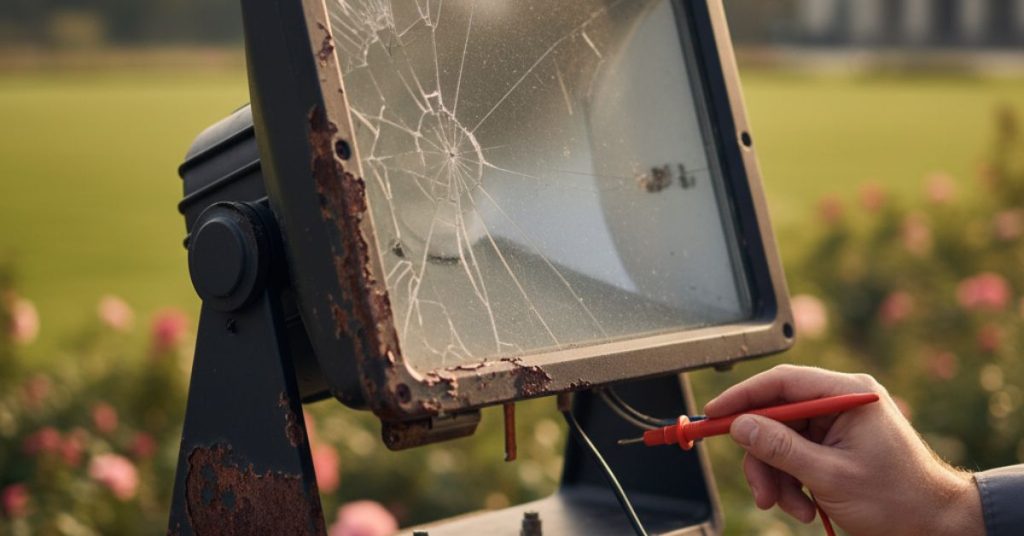
Exposure to weather, humidity, and pollution can cause outdoor light fixtures to corrode or deteriorate over time. Rust, broken glass, and water ingress can affect both aesthetics and functionality.
- Use corrosion-resistant materials: Fixtures made of stainless steel, powder-coated aluminum, or brass are ideal for outdoor use.
- Seal connections: Apply waterproof sealant around electrical connections and sockets to prevent moisture penetration.
- Routine cleaning and inspection: Clean fixtures periodically to remove dirt, mold, and debris. Replace or repair damaged parts immediately to maintain optimal performance.
Investing in durable fixtures and protective measures ensures your outdoor lighting remains functional and visually appealing for years.
5. Motion Sensor and Photocell Malfunctions
Outdoor lighting often relies on motion sensors or photocells to operate efficiently. Malfunctions in these systems can cause lights to fail, remain on constantly, or fail to detect movement.
- Check sensor alignment: Motion sensors must be positioned to detect the intended coverage area without interference from trees, walls, or shrubs.
- Clean the sensor lens: Dirt, dust, or spider webs can block detection and reduce sensitivity.
- Test settings and sensitivity: Adjust time delays, sensitivity levels, and ambient light thresholds to ensure optimal operation. Replace faulty sensors when necessary.
Regular inspection and proper calibration of automated lighting controls maintain energy efficiency and improve security.
6. Wiring and Electrical Issues
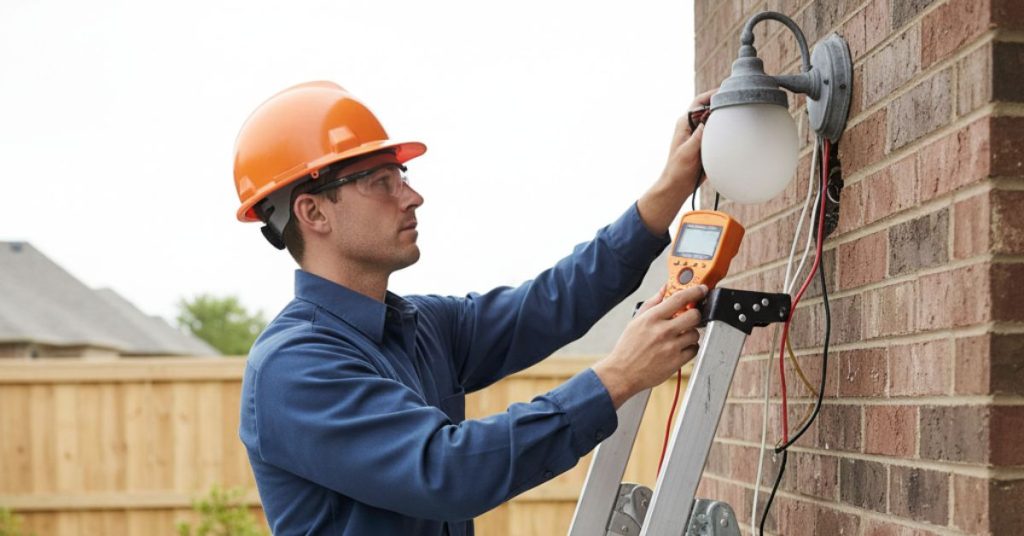
Faulty wiring is a significant cause of outdoor lighting problems, including intermittent operation, flickering, and complete outages.
- Inspect for exposed wires: Check for damaged insulation, exposed wires, or rodent damage. Replace or repair damaged wiring immediately.
- Check circuit breakers and fuses: Outdoor lighting may share circuits with other electrical loads. Ensure breakers or fuses are functioning correctly.
- Professional evaluation: For complex electrical issues or repeated failures, consider professional electrical wiring inspections to ensure your system is safe and compliant.
Ensuring proper wiring installation and maintenance prevents hazards and guarantees reliable operation.
7. Grounding and Safety Concerns
Proper grounding is essential for outdoor lighting to prevent electrical shocks and reduce fire hazards.
- Verify grounding: Make sure all metal fixtures are grounded according to local electrical codes.
- GFCI protection: Install Ground Fault Circuit Interrupters (GFCIs) on outdoor circuits to automatically shut off power in case of a short circuit or water exposure.
- Avoid overloading circuits: Ensure your lighting system does not exceed the capacity of the circuit, which can cause overheating and damage.
Adhering to safety standards protects both your property and its occupants while ensuring the longevity of your lighting system.
8. Seasonal and Environmental Challenges
Outdoor lighting systems face challenges from changing seasons, weather conditions, and environmental factors.
- Winter weather precautions: Snow, ice, and freezing temperatures can damage fixtures and wiring. Clear snow accumulation and inspect fixtures for cracks.
- Summer heat and UV exposure: High temperatures and UV rays can fade and weaken fixture materials. Choose UV-resistant finishes and materials.
- Storm preparedness: Secure fixtures and check for loose connections before storms. Install protective covers for sensitive components.
Being proactive about seasonal maintenance minimizes damage and ensures continuous lighting performance.
9. Enhancing Longevity Through Regular Maintenance
Routine maintenance is key to avoiding unexpected outdoor lighting failures. A maintenance plan should include:
- Scheduled inspections: Conduct safety inspections and troubleshooting by examining fixtures, wiring, and sensors at least twice a year.
- Cleaning and debris removal: Remove leaves, dirt, and spider webs from fixtures and pathways.
- Component replacement: Replace worn-out bulbs, corroded screws, and cracked lenses promptly.
A structured maintenance schedule not only extends fixture life but also improves overall safety, efficiency, and visual appeal.
10. Choosing Professional Assistance
While many outdoor lighting issues can be resolved independently, complex electrical problems or major system upgrades often require professional electrical service assistance. Experienced electricians and lighting specialists provide:
- Expert troubleshooting: Identifying hidden electrical faults and sensor issues.
- Safe installation and repair: Compliance with local codes and safety regulations.
- Customized lighting solutions: Tailored designs for aesthetics, security, and energy efficiency.
Professional intervention ensures long-term reliability, reduces maintenance costs, and enhances the overall performance of your outdoor lighting system.
Expert Outdoor Lighting Repair Near Me – Residential & Commercial Services
If you’re searching for outdoor lighting repair near me, the Electricians Service Team provides reliable solutions for homes, offering top-notch residential electrical services to fix flickering lights, sensor issues, and damaged fixtures.
For businesses and larger properties, our commercial electrical services handle advanced outdoor lighting systems, ensuring safety, efficiency, and compliance with electrical codes. Count on our experienced team to troubleshoot, repair, and install outdoor lighting that enhances security and keeps your property looking its best year-round.
Book now to schedule fast, professional outdoor lighting service!
Conclusion
Maintaining reliable outdoor lighting doesn’t have to be a constant headache. By regularly inspecting bulbs, fixtures, sensors, and wiring, homeowners can quickly identify and resolve common problems like flickering lights, burned-out bulbs, or uneven coverage. Taking preventive steps—such as using weather-resistant components, properly grounding fixtures, and scheduling seasonal maintenance—ensures safety, efficiency, and long-lasting performance.
For more complex issues, professional expertise can make all the difference. Contact us to schedule expert repairs or upgrades, and check our financing programs to make outdoor lighting improvements easier and more affordable.
FAQs
It’s recommended to inspect outdoor lighting at least twice a year, ideally in spring and fall. Regular inspections help identify flickering bulbs, damaged fixtures, or loose wiring before they become bigger problems.
Minor issues like loose bulbs or connections can often be fixed safely by homeowners. However, persistent flickering may indicate wiring or electrical problems that require professional assistance.
Weather-resistant LED or halogen bulbs are ideal for outdoor use because they withstand moisture, temperature changes, and long-term exposure. Choosing the correct wattage and outdoor rating ensures consistent and safe illumination.
Motion sensor issues often result from misalignment, dirty lenses, or improper sensitivity settings. Cleaning the sensor and adjusting its position or settings usually resolves the problem, but faulty sensors may need replacement.
Call a professional if you notice recurring flickering, exposed wiring, damaged fixtures, or complex electrical issues. Professionals ensure safe installation, troubleshooting, and compliance with local electrical codes.