The most common power surge causes in residential homes include faulty wiring, lightning strikes, overloaded circuits, and damaged appliances. Prevent surges by installing surge protectors, upgrading old wiring, and scheduling regular electrical inspections.
Key Takeaways:
- Faulty wiring and lightning are major surge triggers.
- Overloaded circuits increase risk.
- Surge protectors and routine inspections help prevent damage.
As Electricians Service Team, we understand how unexpectedly a power surge can strike and how damaging it can be to your home’s electrical system, appliances, and personal electronics. Recognizing the power surge causes in residential homes and implementing strong prevention methods is essential for safeguarding your property and ensuring uninterrupted comfort. Below, we present an in-depth look at the most common sources of power surges and the smart strategies every homeowner should employ.
What Is a Power Surge?
A power surge is a sudden spike in electrical voltage that travels through your home’s wiring. Even a brief surge—lasting just microseconds—can deliver enough excess energy to cause irreparable damage to sensitive equipment. While some surges originate from outside your home, many originate within your own electrical system.
Major Power Surge Causes in Residential Homes
1. Lightning Strikes Near or On the Property
Lightning is one of the most destructive sources of electrical surges. Even if lightning does not strike your home directly, a nearby hit can generate a massive voltage spike that enters through:
- Utility lines
- Cable or internet lines
- Grounding systems
Homes without whole-house surge protection face the greatest risk of damage, including burnt wiring, destroyed electronics, and electrical panel failure. For more on staying safe during lightning events, visit the National Weather Service.
2. High-Power Electrical Devices Cycling On and Off
Large appliances such as:
- HVAC units
- Refrigerators
- Washing machines
- Water heaters
These devices draw significant power when they cycle on. This sudden demand can disrupt voltage stability in your home. The result is smaller “internal surges” that accumulate over time and wear down electronics.
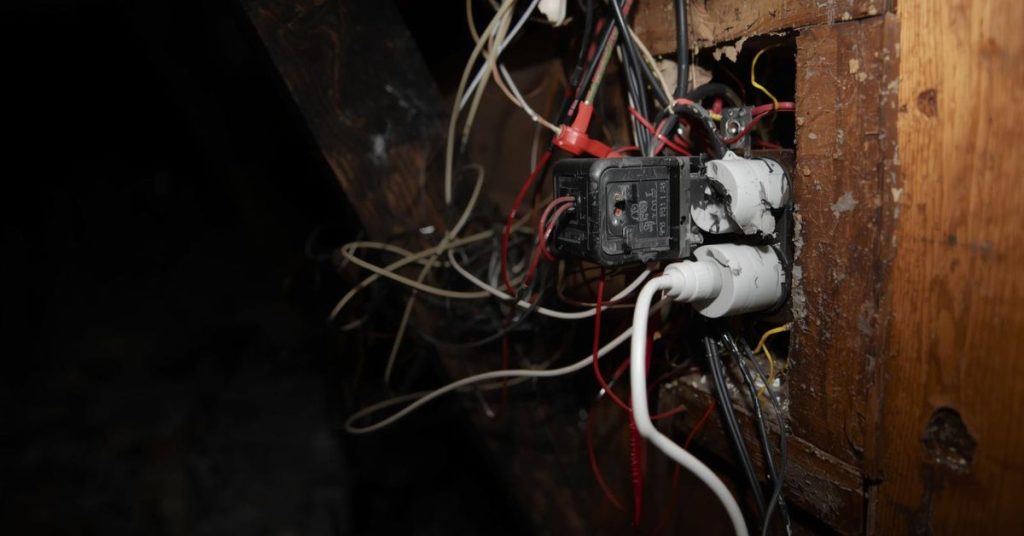
3. Faulty or Aging Home Wiring
Deteriorated wiring, loose connections, and improper installations are among the most common and dangerous internal surge causes. Older homes are especially vulnerable because their wiring was not built to support today’s modern, high-powered appliances and sensitive electronics.
Signs your home may require wiring services include:
- Flickering lights
- Frequently tripped breakers
- Burning smells near outlets
- Warm electrical panels or outlets
Faulty wiring can amplify surge events and significantly increase fire risk. For more information on how to detect electrical issues early, see our guide on 7 Warning Signs You Need a Home Electrical Inspection.
4. Malfunctioning Utility Grid Equipment
Power surges often come from outside the home when issues occur in the electrical grid. Common triggers include:
- Downed power lines
- Transformer malfunctions
- Utility switching events
- Power returning after an outage
These external surges can travel through your home’s service lines and damage appliances instantly.
5. Poorly Installed or Overloaded Electrical Systems
Homes that have undergone unlicensed or DIY electrical work face heightened risk. Poorly installed wiring, improperly sized breakers, and overloaded circuits can cause repeated internal surges.
If your electrical panel is too small for your home’s needs, it will struggle to distribute power safely. This makes electrical panel upgrade one of the most important preventive actions.
6. Damaged or Low-Quality Power Strips
Many homeowners rely on inexpensive plug-in surge protectors, believing they offer complete protection. In reality, these strips:
- Wear out quickly
- Cannot absorb large surges
- Offer no protection against major grid or lightning events
They are useful only as a secondary line of defense—not the primary one. For more guidance on safe use of power strips and energy-efficient devices, see the U.S. Department of Energy.
How to Prevent Power Surges in Your Home
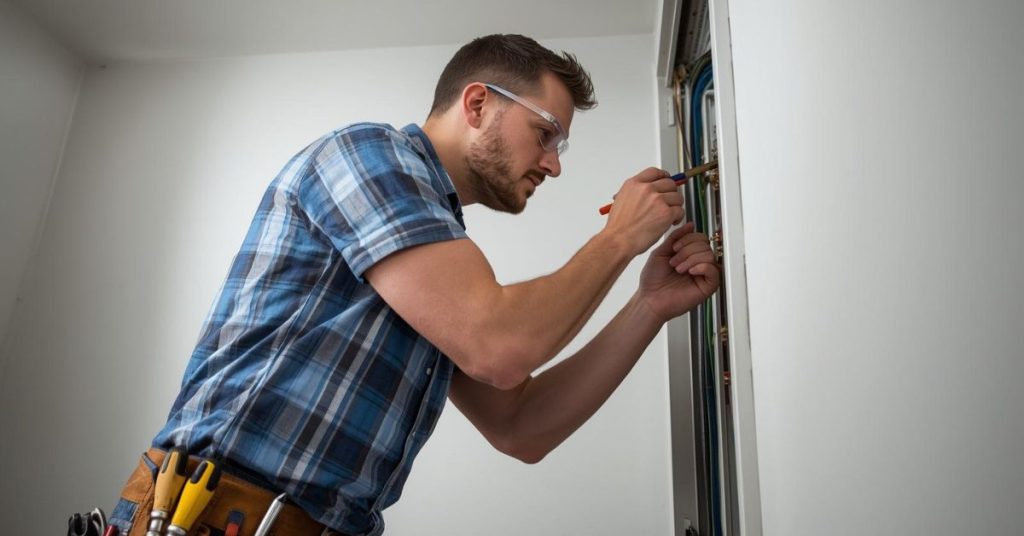
To fully protect your home, you must address both internal and external surge sources. Below are the most effective strategies recommended by our licensed experts at Electricians Service Team.
1. Install Whole-House Surge Protection
The single most effective solution for preventing damage from power surges is a whole-house surge protector installed at the main electrical panel. This device intercepts excess voltage before it reaches your appliances.
Benefits of Whole-House Surge Protection
- Shields every circuit in your home
- Protects against high-voltage external surges
- Extends appliance and electronics lifespan
- Provides layered protection when paired with point-of-use devices
- Reduces risk of electrical fires
A whole-home system is a smart investment for long-term electrical safety.
2. Upgrade Your Electrical Panel
If your panel is outdated, undersized, or overloaded, it cannot handle today’s modern electrical demands. A professional electrical panel upgrade ensures your home has:
- Proper amperage capacity
- Safe circuit distribution
- Modern breaker technology
- Improved grounding
Upgrading your panel significantly reduces internal surges and prevents dangerous overload conditions.
3. Replace Aging or Unsafe Wiring
Outdated wiring not only contributes to internal surges but also poses serious fire hazards. Professional wiring services ensure your circuits are:
- Up to modern code
- Properly grounded
- Correctly sized for their loads
- Free from loose or deteriorated connections
Rewiring is especially crucial in homes built before the 1980s.
4. Use High-Quality Surge-Protecting Power Strips
While not a replacement for whole-house protection, high-quality surge strips provide an extra layer of safety for sensitive electronics such as:
- Computers
- TVs
- Smart devices
- Home office equipment
Choose products with a UL 1449 safety rating and sufficient joule absorption capacity.
5. Limit Overloaded Circuits
Avoid plugging multiple high-demand devices into one outlet. Overloaded circuits cause repeated voltage fluctuations and heat buildup. Using dedicated circuits for large appliances helps stabilize your home’s electrical load.
6. Schedule Regular Electrical Inspections
Professional electrical inspections allow experts to identify vulnerabilities before they turn into major issues. A certified electrician can evaluate:
- Panel condition
- Grounding systems
- Wiring health
- Load distribution
- Surge protection systems
Routine electrical maintenance ensures maximum protection and efficiency.
Why Choose Electricians Service Team for Surge Protection?
At Electricians Service Team, we provide comprehensive electrical services tailored to safeguard your home from every type of surge. Our licensed electricians specialize in:
- Whole-house surge protection installation
- Electrical panel upgrades
- Complete wiring services
- Troubleshooting recurring surges
- Full electrical safety inspections
- EV charger installations
We combine expertise, precision, and top-tier equipment to keep your home protected around the clock.
Final Thoughts
Power surges are unpredictable, but safeguarding your home doesn’t have to be. By understanding the power surge causes in residential homes and investing in whole-house surge protection, upgraded wiring, and a modern electrical panel, you can prevent costly damage before it happens. These smart, proactive steps help protect your appliances, electronics, and overall electrical system.
Choosing expert service ensures long-term safety and peace of mind. For dependable protection you can trust, contact us today and let our licensed professionals keep your home secure.
FAQs
A power surge is a sudden spike in electrical voltage that travels through your home’s wiring. Even brief surges can damage sensitive electronics, appliances, and your electrical system.
Power surges are often caused by lightning strikes, faulty wiring, overloaded circuits, damaged appliances, or utility grid malfunctions. Internal surges from high-power devices cycling on and off can also contribute.
Installing whole-house surge protection, upgrading your electrical panel, and replacing outdated wiring are the most effective preventive measures. Using high-quality surge-protecting power strips and limiting overloaded circuits adds extra safety.
No, standard plug-in surge protectors provide only limited defense and cannot handle major surges from lightning or grid issues. They should be used as a secondary line of protection alongside whole-house surge protection.
Licensed electricians ensure your wiring, panel, and surge protection systems are installed safely and up to code. Professional service minimizes risks, prevents damage, and ensures your home’s long-term electrical safety.