A year-end residential electrical safety inspection identifies hidden hazards, ensures code compliance, prevents fire risks, and extends your home’s electrical system lifespan—keeping your family safe and avoiding costly repairs.
Key Takeaways:
- Detect potential fire and shock hazards early
- Ensure National Electrical Code (NEC) compliance
- Prevent unexpected electrical failures
- Protect family safety and property
- Save on future repair costs
As the year comes to a close, ensuring your home’s electrical system is safe, efficient, and reliable becomes paramount. A year-end residential electrical safety inspection is a critical step for homeowners who prioritize safety, energy efficiency, and the long-term reliability of their electrical infrastructure. By addressing potential hazards before they escalate, you protect your family, your property, and your peace of mind.
The Importance of a Year-End Residential Electrical Safety Inspection
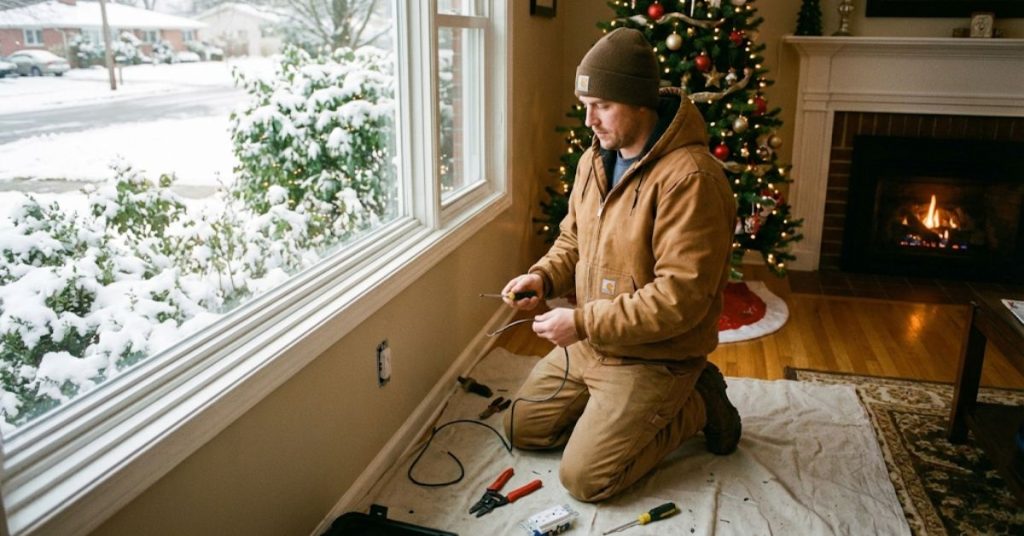
A year-end residential electrical safety inspection is not merely a routine checkup; it is a comprehensive evaluation of your home’s electrical system. It includes thorough examinations of wiring, outlets, circuit breakers, panels, and connected devices. This inspection can uncover hidden issues such as overloaded circuits, deteriorated wiring, and faulty breakers that may lead to dangerous situations like electrical fires or power outages.
Homeowners often underestimate the risks associated with aging electrical systems. Homes that have not been updated or maintained regularly can develop problems that are invisible until they escalate. Conducting a safety inspection at the end of the year ensures that any issues are identified and corrected before peak electrical usage during winter months, when heaters, lights, and appliances increase the load on your system.
Ensuring your home complies with standards like the National Electrical Code (NEC) is essential for preventing fire hazards and protecting your family.
Comprehensive Safety Inspection and Troubleshooting
A proper safety inspection and troubleshooting approach identifies problems that are not always obvious. Licensed electricians employ advanced diagnostic tools to test circuits, measure voltage, and detect anomalies in your wiring. This proactive method allows for early intervention, preventing unexpected outages and reducing the risk of fire hazards.
Common issues discovered during inspections include:
- Frayed or outdated wiring
- Faulty outlets or switches
- Overloaded circuits
- Malfunctioning or aging circuit breakers
- Improper grounding or bonding issues
Addressing these issues promptly through electrical services helps maintain the integrity of your electrical system and ensures uninterrupted power for your household activities.
Circuit Breaker Repair Services: A Critical Component
Circuit breakers serve as the first line of defense against electrical overloads and short circuits. Over time, breakers can wear out, fail to trip, or become misaligned, compromising your home’s safety. A thorough circuit breaker repair services check during a year-end inspection can prevent potential fire hazards and equipment damage. Repairing or replacing faulty breakers not only safeguards your home but also extends the lifespan of your entire electrical system.
Modern inspections often include testing of arc fault and ground fault circuit interrupters (AFCIs and GFCIs), which provide enhanced protection against electrical shocks and fire risks. Ensuring these devices function correctly is especially crucial in high-risk areas such as kitchens, bathrooms, and outdoor outlets. Learn more about warning signs your circuit breaker needs repair to stay ahead of potential issues.
Wiring Services and System Upgrades
Wiring is the backbone of any home’s electrical system. Over decades, wiring can degrade, connections can loosen, and outdated materials like aluminum or cloth-insulated wires may present serious hazards. Wiring services performed during a year-end inspection can identify and correct these risks. This may involve replacing old wiring, upgrading circuits to accommodate modern appliances, or rerouting cables to meet current safety codes.
In addition to safety improvements, upgrading your wiring can improve energy efficiency, reduce the likelihood of power fluctuations, and provide a more reliable connection for smart home devices and high-demand electronics.
Preventative Maintenance Saves Costs
One of the most compelling reasons to schedule a year-end residential electrical safety inspection is the long-term financial benefit. Catching small issues early can prevent expensive repairs and replacements. For instance, identifying a deteriorating outlet or faulty wiring now could save thousands in potential damage caused by electrical fires or appliance failures.
Preventative electrical maintenance also minimizes the risk of service interruptions, which can be costly and inconvenient, especially during holiday seasons or extreme weather conditions.
Enhanced Safety for Your Family and Property
The primary goal of a year-end inspection is to ensure the safety of your family and property. Electrical faults are a leading cause of residential fires, and proactive inspections significantly reduce this risk. By investing in a professional inspection, you create a safer environment for everyone in your home.
Additionally, inspections provide peace of mind. Knowing that your home is compliant with current electrical codes and that all systems are functioning properly allows you to enjoy the festive season without worrying about hidden hazards. For more information about official safety resources, visit USA.gov’s CPSC page.
Key Steps During a Year-End Electrical Safety Inspection
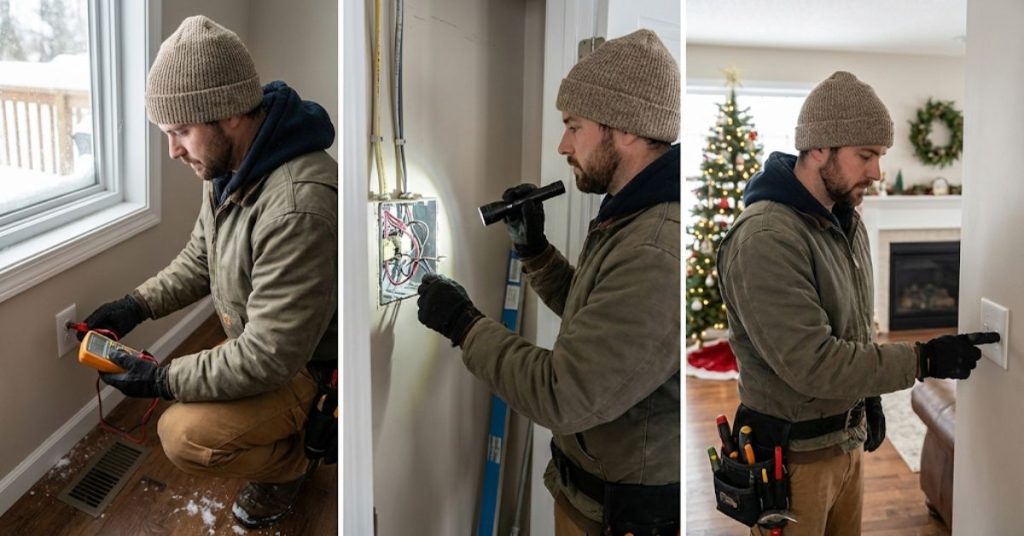
A thorough inspection typically includes the following steps:
- Visual Examination – Inspect all visible wiring, outlets, switches, panels, and light fixtures for damage or wear.
- Circuit Testing – Use specialized equipment to test breakers, outlets, and circuits for proper voltage and current flow.
- Load Analysis – Evaluate the electrical load to ensure no circuits are overloaded.
- Grounding and Bonding Checks – Verify that all electrical systems are properly grounded to prevent shock hazards.
- Safety Device Verification – Test GFCIs, AFCIs, and surge protectors to ensure optimal performance.
- Troubleshooting – Identify underlying issues, perform minor repairs, and recommend further actions if necessary.
Following these steps ensures a comprehensive evaluation, leaving no aspect of your home’s electrical system unchecked.
Who to Call for Professional Electrical Services
When it comes to ensuring your home’s electrical system is safe, reliable, and up to code, hiring licensed professionals is essential. Electricians Service Team offers comprehensive residential electrical inspections, circuit breaker repairs, wiring upgrades, and general electrical services to protect your family and property.
Don’t wait for a small issue to turn into a major problem. Contact us now to schedule a year-end electrical safety inspection and keep your home secure and efficient.
Conclusion
A year-end residential electrical safety inspection is a smart investment in your home’s safety, efficiency, and longevity. From detecting hidden hazards to verifying breakers and wiring, these inspections prevent costly repairs and provide peace of mind.
Prioritize your family’s safety and ensure uninterrupted electrical service this winter. Book us today and enjoy a safer, more reliable home all year round.
FAQ
Experts recommend at least once a year, ideally before peak winter or summer electrical usage.
Frequent trips, burning smells, flickering lights, or overheating panels are warning signs. Learn more in our circuit breaker guide.
Yes, frayed, damaged, or aluminum wiring can increase the risk of electrical fires if not inspected and upgraded.
Absolutely. AFCIs prevent fire risks from arc faults, and GFCIs prevent electrical shocks in high-risk areas like kitchens and bathrooms.
Costs vary based on home size and services needed. Early inspections save money by preventing major repairs later.