Circuit breakers fail more in winter due to increased heater use, moisture from condensation, and brittle components. These factors overload circuits and cause circuit breaker trips in cold weather more frequently.
Key Takeaways:
- Higher electrical demand from heating systems
- Cold temperatures stress breaker components
- Moisture and condensation increase failure risk
- Preventive inspections reduce winter outages
Understanding Seasonal Stress on Electrical Systems
Winter introduces a unique operating environment for residential and commercial electrical systems. As temperatures drop, electrical infrastructure experiences physical contraction, moisture exposure, and fluctuating loads that significantly increase failure risks. At Electricians Service Team, we consistently observe how seasonal conditions intensify vulnerabilities that remain hidden during warmer months.
One of the most frequent concerns reported by property owners is circuit breaker trips in cold weather, which often appear sudden but are rooted in predictable winter-specific conditions. Cold air, heating demands, and environmental moisture combine to stress components designed to operate within stable temperature ranges.
For readers looking to understand why these failures happen, check out How Home Electric Panels Work and Why Capacity Matters for an in-depth explanation of panel design and capacity considerations.
Thermal Contraction and Component Fatigue
Metal components inside breaker panels expand and contract with temperature changes. During winter, prolonged cold causes repeated contraction cycles that weaken connections over time. Screws loosen microscopically, bus bars lose optimal contact pressure, and breakers become increasingly sensitive to load changes.
This physical stress directly contributes to cold temperature electrical failures, especially in older panels where materials have already endured years of seasonal cycling. Even modern systems are not immune when exposed to extreme or prolonged cold.
Moisture Intrusion and Condensation Risks
Cold air holds less moisture, but temperature differentials between heated interiors and cold exterior walls can cause condensation inside electrical panels. Electrical panel condensation winter conditions often develop unnoticed behind walls, in basements, garages, and utility rooms.
Moisture introduces corrosion risks that compromise breaker contacts and internal mechanisms. Over time, this leads to resistance buildup, heat generation, and erratic breaker behavior that escalates into system failure if left unaddressed.
Heating Loads and Demand Imbalances
Winter places sustained demand on electrical systems due to heating equipment, space heaters, heat pumps, and supplemental appliances. These loads often operate simultaneously, pushing circuits closer to their rated limits.
When systems are already weakened by environmental stress, circuit breaker trips in cold weather become more frequent as breakers respond to overload conditions designed to prevent overheating and fire hazards. This is not a nuisance—it is a protective response signaling deeper system strain.
To reduce overall energy demand and ease stress on your panel, consider following the Department of Energy’s Fall and Winter Energy‑Saving Tips for seasonal strategies that improve home efficiency and prevent load spikes.
Signs That Should Never Be Ignored
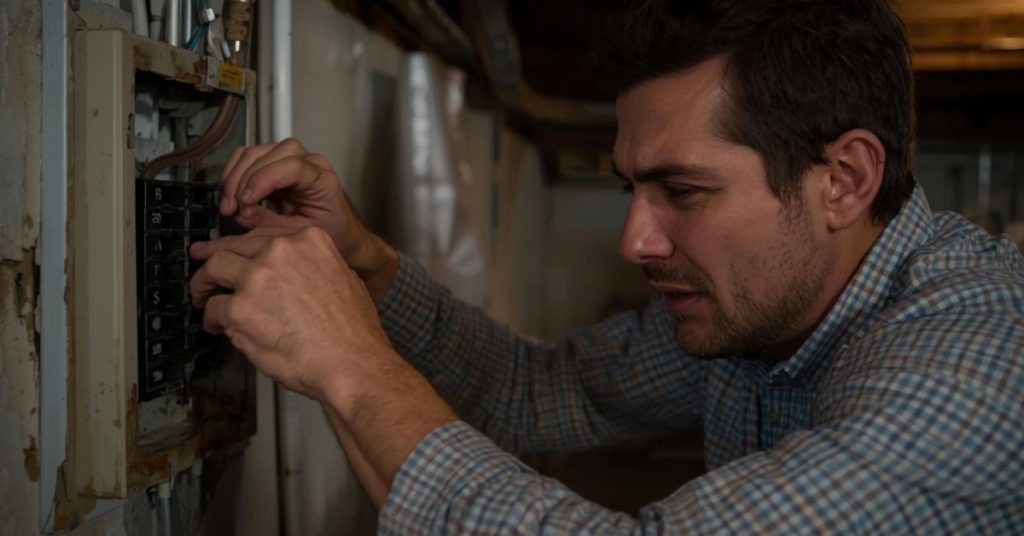
Recognizing early warning indicators allows corrective action before full failure occurs. Property owners should remain alert to frozen breaker panel symptoms that typically emerge during extended cold periods.
Common indicators include:
- Breakers that feel unusually stiff when resetting
- Delayed response when switching circuits
- Visible frost or moisture near panel enclosures
- Intermittent power loss in specific circuits
- Unusual buzzing, crackling, or sizzling sounds from the panel
These signs often precede more severe winter electrical panel issues that can disrupt operations or compromise safety.
Preventive action is key. Learn more about routine safety checks in Why a Yearly Home Wiring Inspection is Essential to reduce risks before winter sets in.
Environmental Exposure and Panel Placement
Breaker panels installed in unheated areas face elevated winter risks. Garages, exterior walls, crawl spaces, and utility sheds expose panels to direct temperature drops and humidity fluctuations.
These environments accelerate breaker box problems winter conditions by combining cold exposure with condensation risk. Proper insulation, sealing, and ventilation play a critical role in mitigating these seasonal stressors.
A good first step toward identifying weak spots like drafts, insulation gaps, or moisture pathways is a DIY home energy assessment; the U.S. Department of Energy’s guide on Do‑It‑Yourself Home Energy Assessments outlines how to check insulation and leakage areas that indirectly contribute to cold-weather electrical stress.
Grid Fluctuations and External Stress Factors
Winter storms, ice accumulation, and increased grid demand introduce external electrical inconsistencies. Voltage fluctuations from utility sources place additional strain on internal breakers, especially during peak usage periods.
This often results in winter power interruptions breaker events that appear internal but originate from upstream instability interacting with already stressed panels.
Why Winter Failures Are More Complex
Cold-season electrical failures rarely stem from a single cause. They are typically the result of layered stress factors accumulating over time. Moisture exposure, load increases, mechanical contraction, and environmental placement interact simultaneously.
These compounded risks make winter-related failures more unpredictable and technically complex to diagnose, reinforcing the importance of specialized seasonal expertise.
Professional Inspection Timing Matters
Winter is not the season for deferred maintenance. Panels operating under stress require precise evaluation to identify vulnerabilities before escalation. Availability of qualified technicians becomes critical as demand increases across regions.
At Electricians Service Team, we understand how winter electrical repair availability impacts response times and system recovery. Early scheduling ensures access to certified expertise before minor issues become major disruptions.
Preventive Measures That Reduce Risk
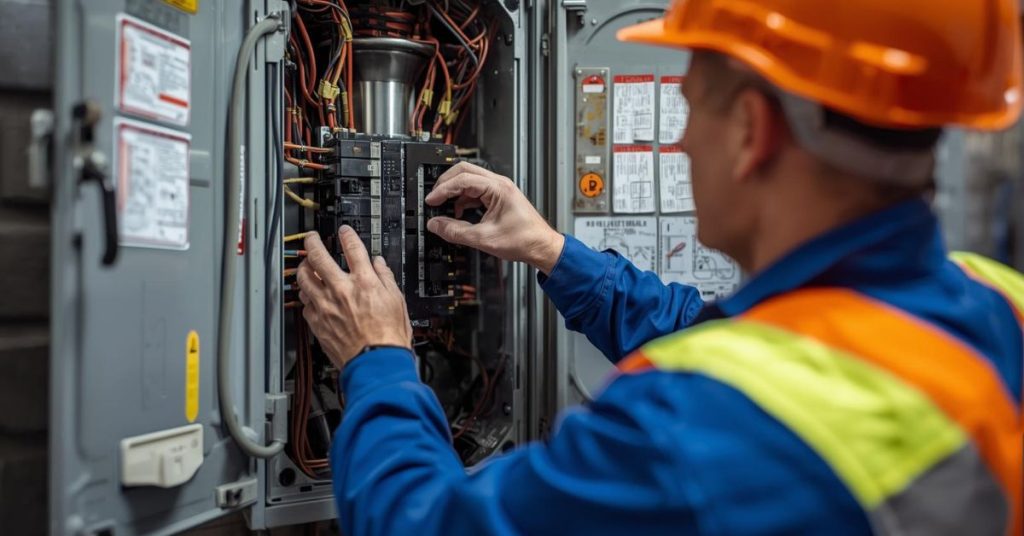
Strategic prevention significantly lowers winter failure rates. Effective measures focus on environmental control, load management, and component integrity.
Key preventive actions include:
- Panel insulation and moisture barriers
- Torque verification on breaker connections
- Load balancing across circuits
- Thermal imaging inspections
- Seasonal performance testing
These measures align with industry-recognized seasonal breaker repair services designed to stabilize systems under cold conditions.
Safety Standards Must Never Be Compromised
Breaker servicing during winter requires strict adherence to breaker repair safety standards. Cold environments introduce additional hazards, including brittle insulation and reduced tactile sensitivity.
Certified electricians follow enhanced protocols to ensure safe handling, accurate diagnostics, and compliant repairs that maintain system integrity without introducing new risks.
Why Local Expertise Makes a Difference
Seasonal electrical behavior varies by region due to climate patterns, construction styles, and utility infrastructure. Localized experience ensures accurate assessment and effective remediation strategies.
Our team provides local circuit breaker repair February solutions informed by real-world winter conditions, ensuring repairs address both immediate symptoms and underlying seasonal contributors.
Long-Term System Reliability Starts in Winter
Winter exposes weaknesses that remain dormant during other seasons. Addressing these vulnerabilities strengthens year-round reliability and extends system lifespan. Proactive winter-focused maintenance reduces emergency incidents, improves energy efficiency, and enhances safety.
At Electricians Service Team, we approach winter diagnostics as an investment in long-term performance rather than a short-term fix. By resolving seasonal stress points, we help systems operate with stability regardless of temperature extremes.
Conclusion: Winter Is the Ultimate Stress Test
Cold months serve as a proving ground for electrical systems. Breaker failures during winter are not anomalies—they are indicators of environmental stress interacting with system design limits. Understanding these dynamics empowers property owners to take decisive, informed action.
Strategic inspections, preventive maintenance, and professional servicing ensure electrical systems remain resilient throughout winter and beyond.
Don’t wait for a breaker failure—contact us today for winter-proof electrical inspections!
FAQs
Circuit breakers don’t literally freeze, but cold temperatures can make internal components brittle and stiff, causing them to trip or resist resetting. Moisture and frost inside panels increase this risk.
Reduce load on circuits, ensure proper panel insulation, inspect for moisture, and schedule preventive maintenance with a licensed electrician before winter.
Yes. Older panels experience more thermal fatigue, corrosion, and wear, making them more sensitive to cold-induced trips and load stress.
Absolutely. Condensation promotes corrosion on breaker contacts, increases resistance, and can trigger trips or damage over time.
Panels in garages, basements, or sheds are exposed to cold and moisture, which increases winter failure risk. Proper insulation, sealing, and climate-controlled locations reduce problems.