
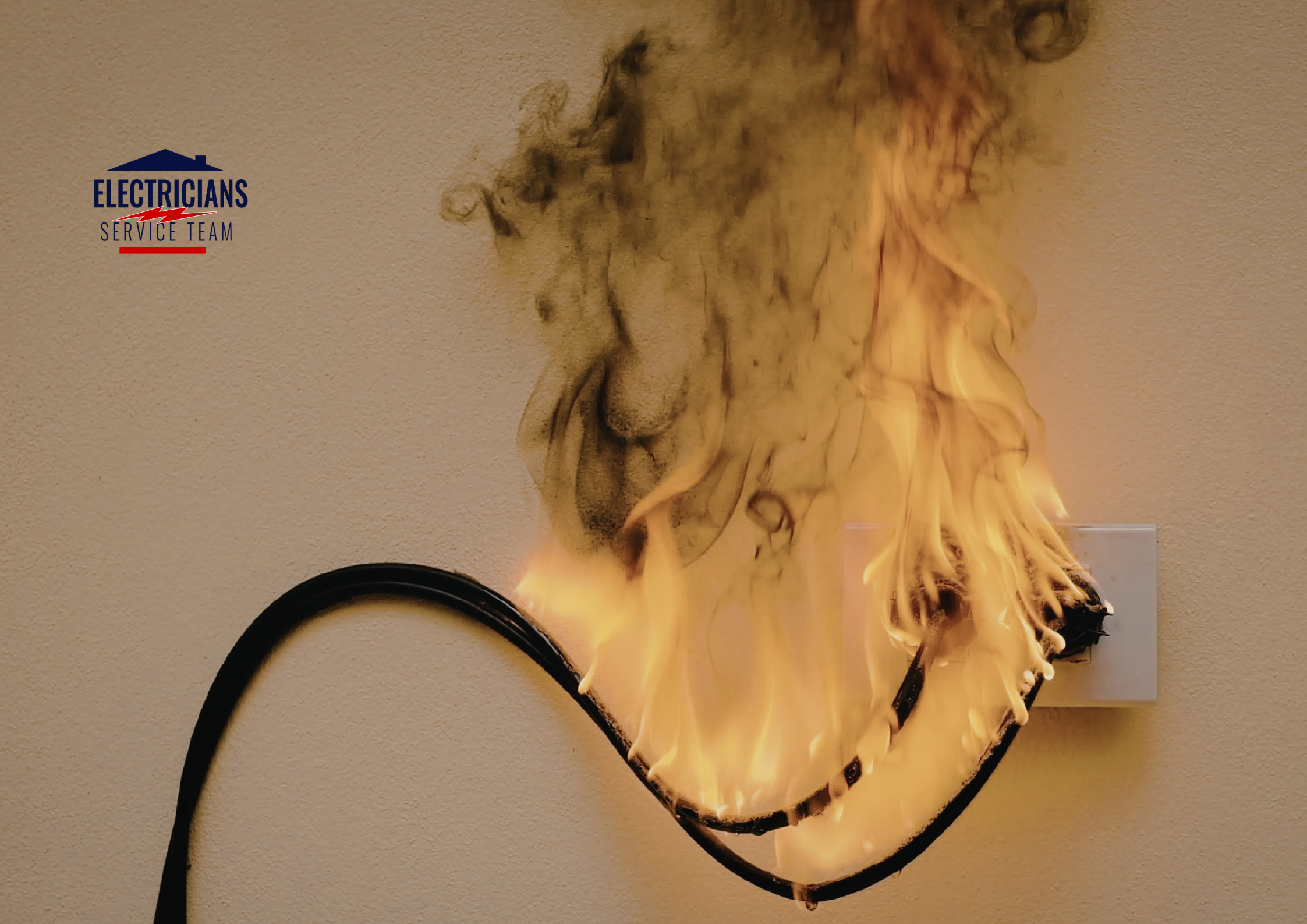
Electrical fires are one of the most dangerous hazards in any home. They can start quietly and escalate quickly, often leaving little time to react. The good news is that most electrical fires are preventable with regular maintenance, careful monitoring, and professional inspections. For homeowners, knowing the signs of electrical trouble and taking proactive steps is essential to protecting your family and property.
Whether you live in a modern home or an older property, electrical safety should always be a priority. This guide will walk you through the simple checks every homeowner should perform, common causes of electrical fires, and when to call a licensed electrician.
Why Electrical Fires Happen
Electrical fires can occur for a variety of reasons, often due to unseen hazards inside your home’s wiring. According to the National Fire Protection Association, electrical malfunctions cause thousands of home fires every year, resulting in property damage, injuries, and even fatalities.
Common causes include:
- Old or frayed wiring: Aging wires may not meet modern safety standards and can overheat.
- Overloaded outlets and power strips: Plugging too many devices into a single outlet increases the risk of sparks and fires.
- Faulty appliances: Malfunctioning appliances or devices can short-circuit and ignite nearby flammable materials.
- DIY electrical work gone wrong: Attempting electrical repairs without proper knowledge can create serious hazards.
Even if your home seems safe, hidden wiring issues can develop over time. Regular inspections by a professional electrician are the most reliable way to prevent electrical disasters.
5 Simple Checks Every Homeowner Should Do
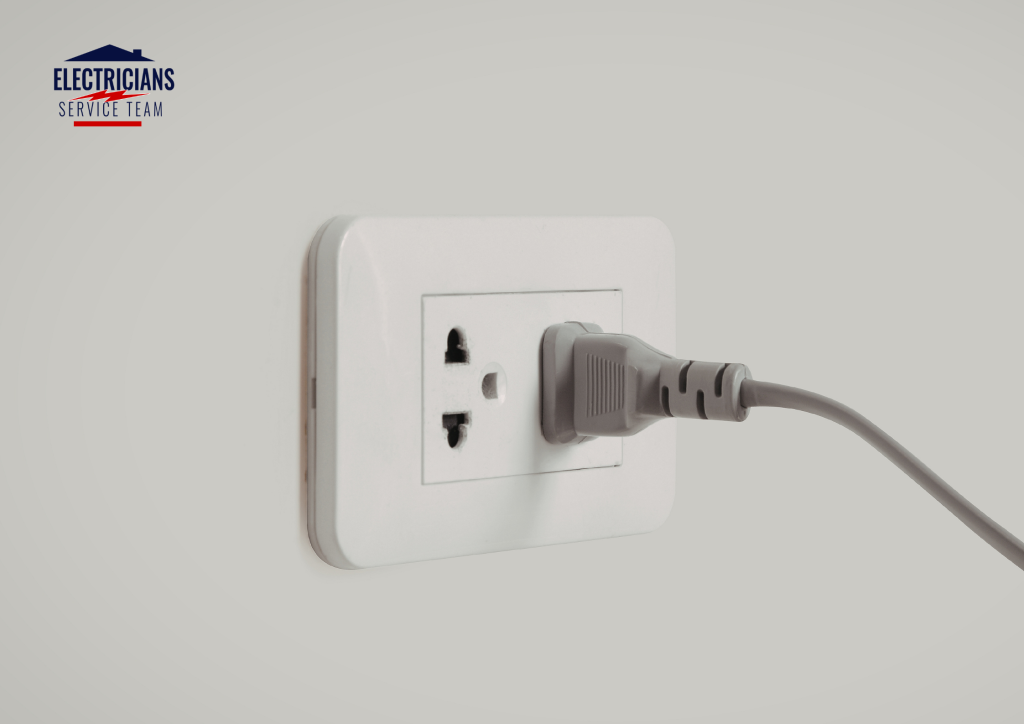
1. Inspect Cords and Outlets
Start by checking all cords, plugs, and outlets throughout your home. Look for:
- Fraying, exposed wires, or cracks in insulation
- Outlets that feel loose or spark when used
- Discoloration or scorch marks around outlets
Damaged cords or outlets are one of the most common causes of house fires. Replace any damaged equipment immediately, and avoid running cords under rugs or heavy furniture, which can increase heat buildup.
Tip: Use surge protectors for electronics and sensitive appliances. They not only protect devices but also reduce the chance of sparks from power surges.
2. Avoid Overloading Circuits
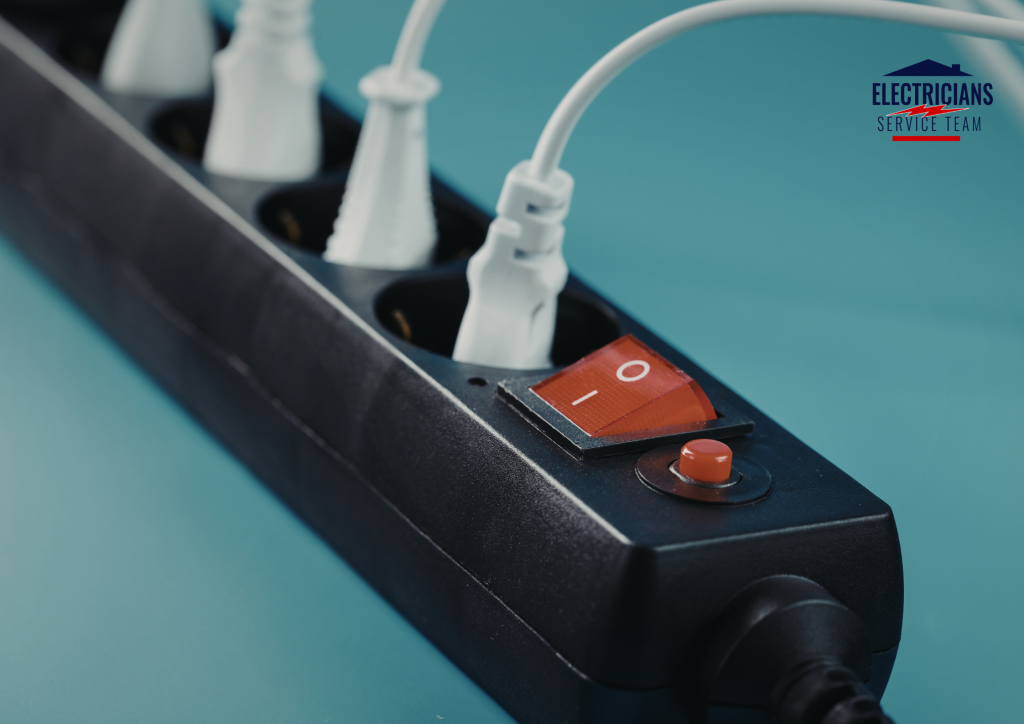
Many homeowners inadvertently overload circuits without realizing it. High-wattage appliances like space heaters, air conditioners, ovens, and microwaves draw a significant amount of electricity. Plugging multiple high-wattage devices into one circuit can cause overheating, tripping breakers, or sparks.
Proactive steps include:
- Distributing appliances across multiple outlets and circuits
- Using power strips with built-in circuit breakers
- Not chaining multiple extension cords together
Overloaded circuits are a silent fire hazard and are often overlooked until it’s too late.
3. Check Your Electrical Panel
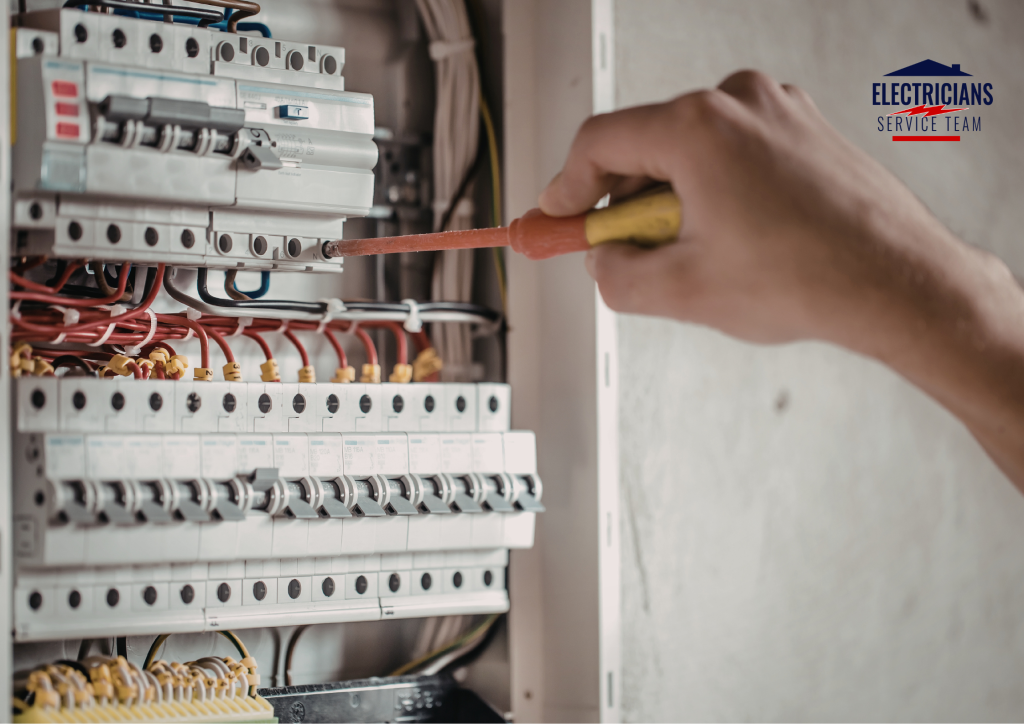
Your home’s breaker box (or fuse box in older homes) is the heart of your electrical system. Regular checks of the panel can prevent potential hazards:
- Ensure breakers are labeled correctly
- Check for signs of rust, water damage, or corrosion
- Listen for buzzing, crackling, or humming sounds
Any unusual noises or smells around the panel indicate a serious issue that requires immediate attention. Never attempt DIY repairs on your electrical panel—this is one area where professional expertise is essential.
Pro tip: Upgrade old panels to modern standards if your home has frequent tripping breakers or outdated wiring.
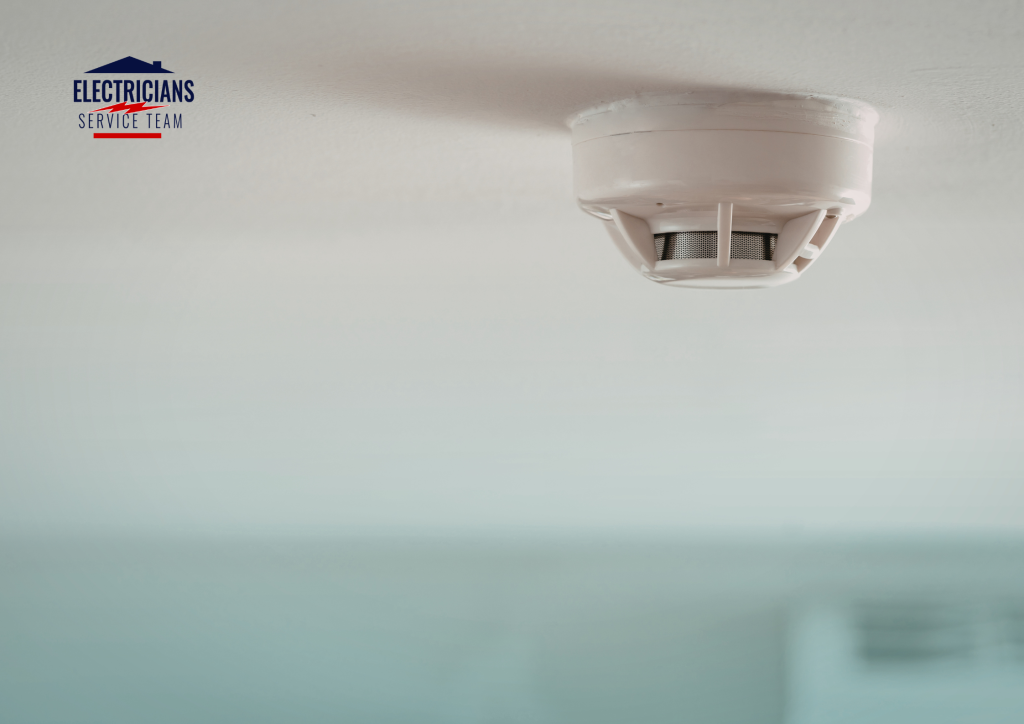
4. Install Smoke and Heat Detectors
Smoke alarms are your first line of defense in any fire emergency. Proper installation and maintenance can save lives:
- Place detectors near bedrooms, kitchens, and living areas
- Test alarms monthly and replace batteries at least once a year
- Consider interconnected alarms that alert the entire home simultaneously
Heat detectors are especially useful in areas like attics or garages, where smoke may not reach a traditional smoke alarm quickly.
Extra safety tip: Keep a fire extinguisher in key areas of your home, such as the kitchen and near the breaker box.
5. Schedule Regular Electrical Inspections
Even if your home appears safe, internal wiring and hidden electrical issues can develop over time. A licensed electrician can:
- Inspect wiring for wear and compliance with safety standards
- Identify potential fire hazards before they become emergencies
- Provide guidance on safe upgrades or repairs
Homeowners should aim for a professional inspection every 3–5 years, or sooner if the home is older than 20 years. Electrical codes and safety standards have changed significantly, and older homes may have outdated wiring prone to fire risk.
Common Electrical Hazards to Watch For
Being proactive also means understanding common warning signs of electrical problems:
- Flickering or dimming lights: Could indicate overloaded circuits or loose wiring.
- Frequent breaker trips: A circuit repeatedly tripping is a red flag for overloads or faulty wiring.
- Burning smells: Any unusual odor, especially near outlets, plugs, or appliances, is dangerous.
- Sparks or electrical shocks: Even minor shocks when touching appliances or switches should be investigated.
- Hot outlets or switches: Overheating outlets are a sign of excessive current or wiring issues.
Ignoring these warning signs can escalate into dangerous fires quickly.
When to Call a Professional Electrician
Certain situations require immediate attention from a licensed electrician:
- Persistent tripping of breakers
- Sparks, smoke, or unusual smells from outlets or devices
- Appliances that malfunction or overheat
- Old wiring in homes built before 1980
Attempting DIY repairs in these cases can worsen the problem and significantly increase fire risk. A trained professional can ensure your electrical system meets safety codes and protect your home from potential disasters.
Tips for Long-Term Electrical Safety
- Use quality appliances: Cheap, low-quality devices often lack safety features.
- Keep electrical systems dry: Water and electricity are a deadly combination. Avoid using appliances near wet areas.
- Educate family members: Teach children and other household members not to overload outlets or tamper with electrical systems.
- Consider smart home monitoring: Modern smart plugs and circuit monitoring systems can alert you to potential hazards before they become serious.
Conclusion
Preventing electrical fires doesn’t have to be complicated. By performing these simple checks and working with a licensed electrician, you can significantly reduce the risk of fires in your home. From inspecting cords and outlets to scheduling professional inspections, every small step adds up to a safer environment for you and your family.
Don’t wait for an emergency—start your electrical safety checks today and enjoy peace of mind knowing your home is protected.
FAQs
The most common causes include faulty wiring, overloaded outlets, frayed cords, and malfunctioning appliances. Regular inspections by a licensed electrician can prevent these hazards.
For most homes, a professional electrical inspection every 3–5 years is recommended. Older homes or properties with frequent breaker trips may require inspections more often.
Yes, simple checks like inspecting cords, outlets, and breakers can be done safely by homeowners. However, DIY repairs on wiring or panels are not recommended. Always call a licensed electrician for repairs.
Watch for flickering lights, frequent breaker trips, sparks, burning smells, or hot outlets. These signs indicate potential hazards that require professional attention.
Older homes may have outdated wiring. To prevent fires:
- Schedule regular electrical inspections
- Avoid overloading circuits
- Replace damaged cords and appliances
- Upgrade your electrical panel if necessary


