When it comes to electrical safety, two acronyms come up more than any others: AFCI and GFCI. Most homeowners have heard of them, but few know what they actually do — or where each one belongs in their home.
Getting this wrong isn’t just a code violation. It can mean the difference between a safe home and a devastating fire or a life-threatening shock. Here’s everything you need to know.
What Is a GFCI?
GFCI stands for Ground Fault Circuit Interrupter. It protects you from electric shock by monitoring the flow of electricity through a circuit. The moment it detects an imbalance — even as small as 5 milliamps — it cuts power in a fraction of a second.
Think of it as a guardian against electrocution, especially in areas where water and electricity are dangerously close together.
GFCI protection is required in:
- Bathrooms and kitchens
- Garages and outdoor outlets
- Basements and crawl spaces
- Areas near pools, hot tubs, and wet bars
If your home was built before the 1970s, there’s a good chance you don’t have it in all the right places — and that’s worth fixing.
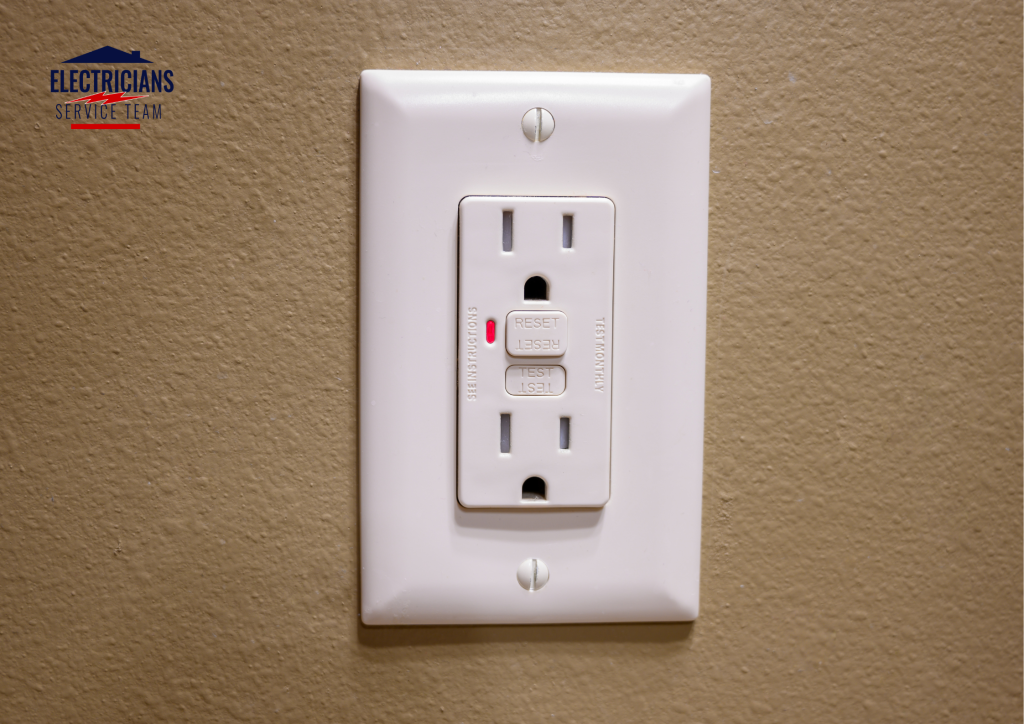
How to spot one: Look for the small “Test” and “Reset” buttons in the center of the outlet. You should press “Test” monthly to confirm it’s working.
What Is an AFCI?
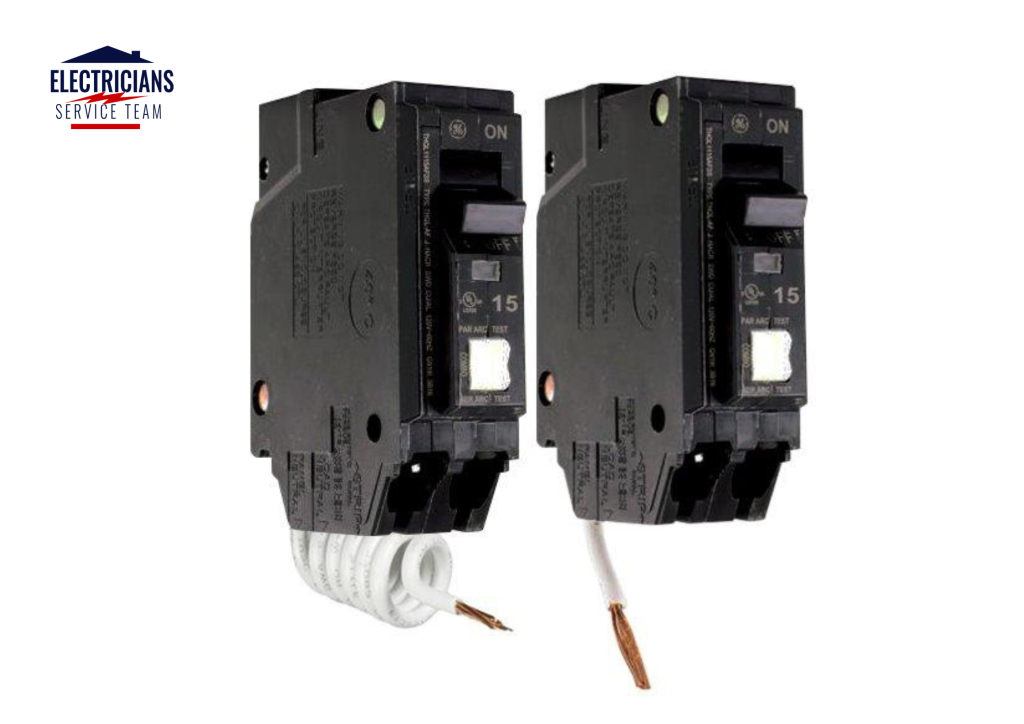
AFCI stands for Arc Fault Circuit Interrupter. While GFCI protects people from shock, AFCI protects your home from electrical fires caused by arc faults — dangerous sparks that occur when electricity jumps across damaged, deteriorating, or loose wiring.
Arc faults are one of the leading causes of home electrical fires in the U.S. The frightening part? They happen silently, inside your walls, long before any visible warning signs appear.
AFCI protection is required in:
- Bedrooms, living rooms, and dining rooms
- Hallways and closets
- Kitchens and laundry areas (in newer code versions)
Unlike GFCI, AFCI protection is typically built into the circuit breaker at your electrical panel rather than the outlet itself.
AFCI vs. GFCI: Side by Side
Many homeowners inadvertently overload circuits without realizing it. High-wattage appliances like space heaters, air conditioners, ovens, and microwaves draw a significant amount of electricity. Plugging multiple high-wattage devices into one circuit can cause overheating, tripping breakers, or sparks.
Proactive steps include:
- Distributing appliances across multiple outlets and circuits
- Using power strips with built-in circuit breakers
- Not chaining multiple extension cords together
Overloaded circuits are a silent fire hazard and are often overlooked until it’s too late.
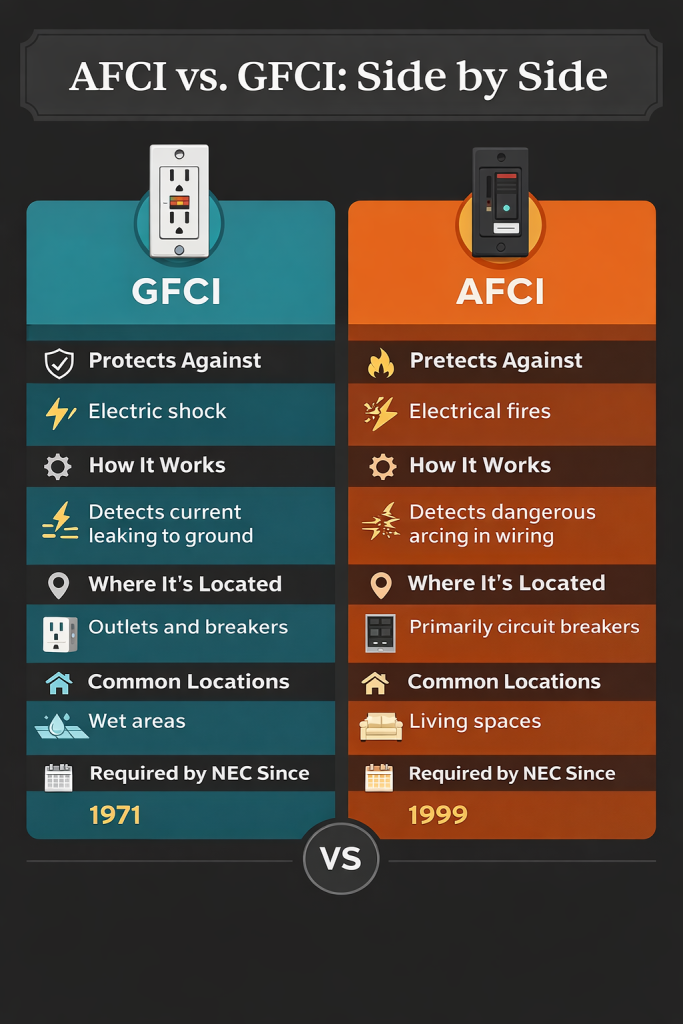
AFCI vs. GFCI: Side by Side
Do You Need Both?
Yes — and in many parts of your home, current code requires both. Combination AFCI/GFCI breakers exist precisely for this reason, offering full protection from a single device at your panel. In California, electrical codes are among the strictest in the country and are updated regularly, so if your home hasn’t had an inspection in a few years, your protection may already be out of date.
Signs Your Home May Be Missing Critical Protection
- No “Test/Reset” buttons on bathroom, kitchen, or garage outlets
- An older electrical panel that hasn’t been upgraded
- A home built before 2000
- DIY electrical work done without permits
- Breakers that trip frequently without a clear reason
- Flickering lights or outlets that feel warm to the touch
Any one of these is worth a call to a licensed electrician.
What's at Stake
According to the Electrical Safety Foundation International (ESFI), electrical fires cause over 45,000 home fires every year in the U.S., resulting in hundreds of deaths and over $1.3 billion in property damage. The majority involve wiring and related equipment — exactly what AFCI protection is designed to prevent. On the shock side, most electrocution incidents in and around the home happen where GFCI protection was absent or non-functional.
These aren’t freak accidents. They’re predictable, preventable outcomes — and the technology to stop them has existed for decades.
How Electricians Service Team Can Help
At Electricians Service Team, we inspect, install, and upgrade AFCI and GFCI protection throughout the Greater Los Angeles area. Whether you need a single outlet replaced or a full panel upgrade, our licensed electricians get the job done right — the first time.
Our services include:
- GFCI outlet installation and replacement
- AFCI breaker installation and panel upgrades
- Combination AFCI/GFCI device installation
- Whole-home electrical safety inspections
Don’t wait for a shock or a fire to find out your home isn’t protected.
📞 Call us at (800) 568-8664 or book your appointment online — same-day service available.
FAQs
The most common causes include faulty wiring, overloaded outlets, frayed cords, and malfunctioning appliances. Regular inspections by a licensed electrician can prevent these hazards.
For most homes, a professional electrical inspection every 3–5 years is recommended. Older homes or properties with frequent breaker trips may require inspections more often.
Yes, simple checks like inspecting cords, outlets, and breakers can be done safely by homeowners. However, DIY repairs on wiring or panels are not recommended. Always call a licensed electrician for repairs.
Watch for flickering lights, frequent breaker trips, sparks, burning smells, or hot outlets. These signs indicate potential hazards that require professional attention.
Older homes may have outdated wiring. To prevent fires:
- Schedule regular electrical inspections
- Avoid overloading circuits
- Replace damaged cords and appliances
- Upgrade your electrical panel if necessary