

When was the last time you thought about your smoke detectors? If you’re like most homeowners, the answer is probably “when the battery died at 2 a.m.” But smoke detection technology has changed dramatically in recent years — and the question of whether to stick with a basic alarm or upgrade to a smart detector is worth taking seriously.
In this guide, we break down the real differences between smart and basic smoke detectors, what you actually get for the extra cost, and how to decide which option is right for your home.
What is a basic smoke alarm?
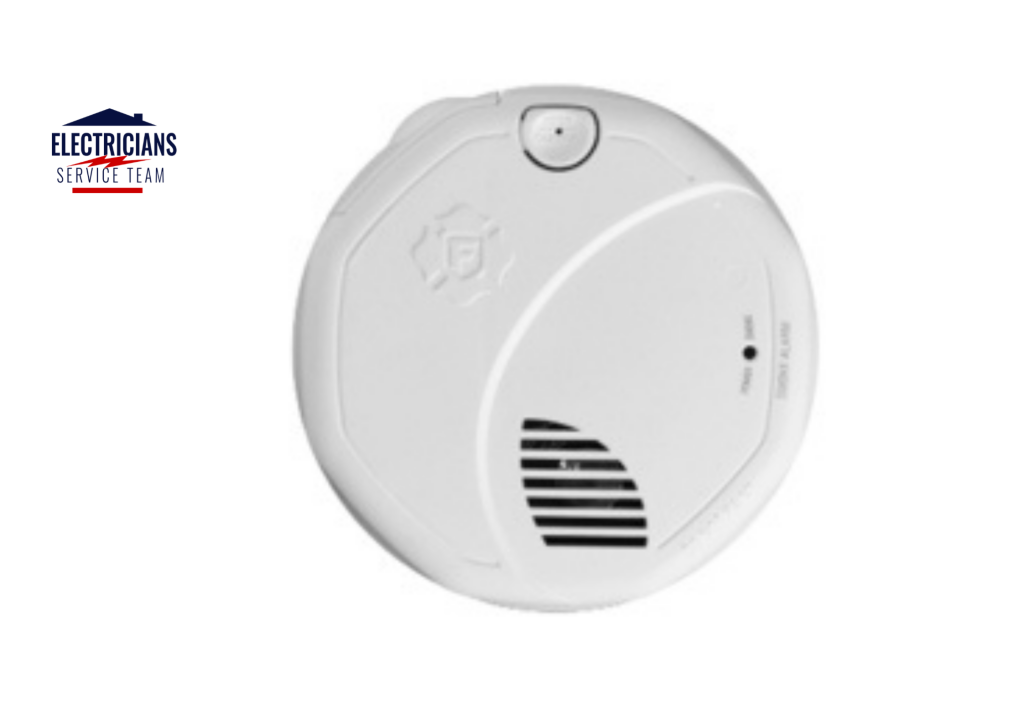
A basic smoke alarm is a standalone, battery-powered device that sounds a local alarm when it detects smoke. It does one job — alert anyone in the immediate area — and it does it reliably. Most basic alarms use either ionization sensors (better for fast-flaming fires) or photoelectric sensors (better for slow, smoldering fires), and they retail for $10 to $30 per unit.
For decades, basic alarms have been the standard — and they’ve saved countless lives. But they come with real limitations, particularly for larger homes, deep sleepers, or homeowners who travel frequently.
What is a smart smoke detector?
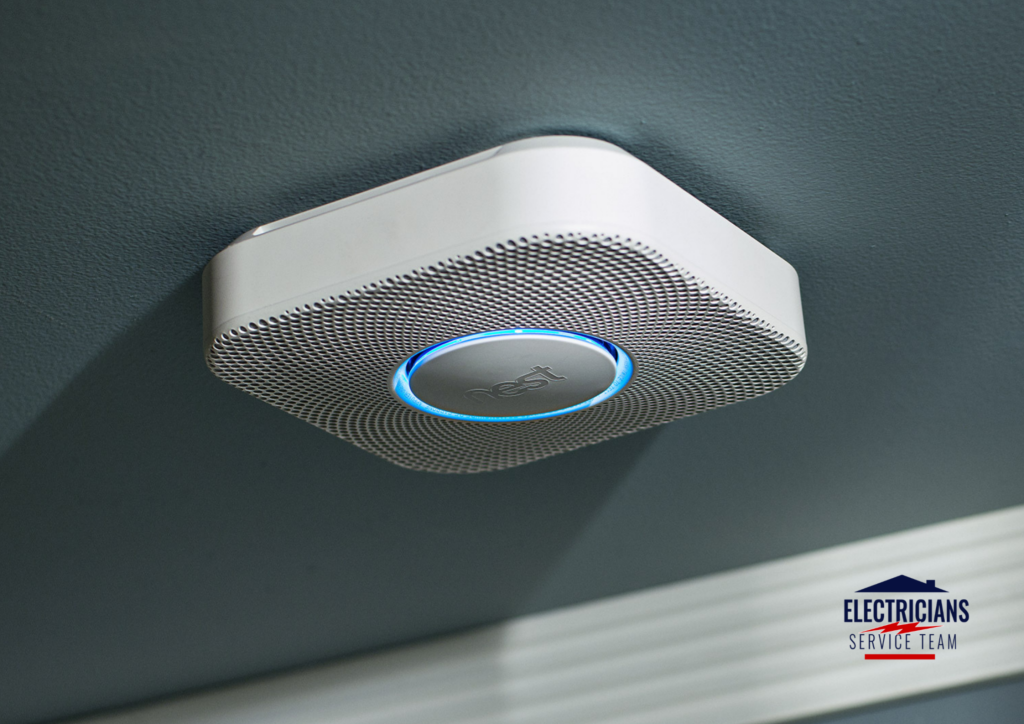
A smart smoke detector connects to your home’s Wi-Fi and links to a smartphone app. When it detects smoke or carbon monoxide, it doesn’t just sound a local alarm — it sends a push notification to your phone, can alert emergency contacts, and in some systems, automatically notifies your monitoring service.
Most smart detectors also offer self-testing, monthly alerts when batteries run low, and integration with smart home platforms like Amazon Alexa, Google Home, and Apple HomeKit. Leading brands include Nest Protect, Ring Alarm Smoke & CO Listener, and Kidde Smart. Prices range from $80 to $150 per unit.
Smart vs. basic: a side-by-side comparison
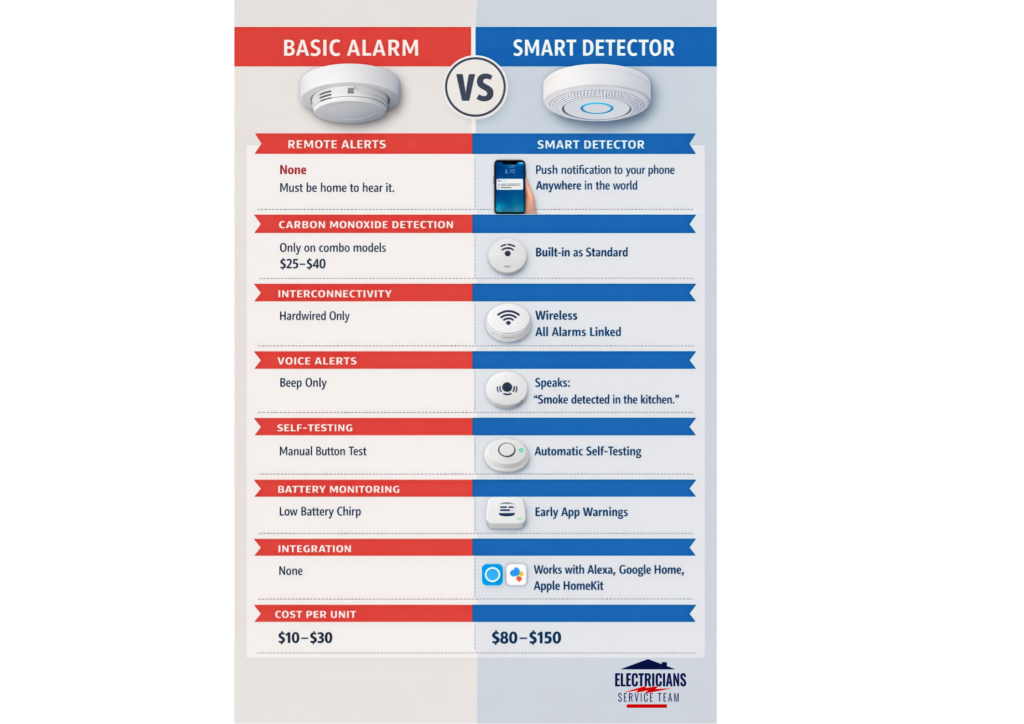
Remote alerts Basic alarm: None — must be home to hear it. Smart detector: Push notification to your phone anywhere in the world.
Carbon monoxide detection Basic alarm: Only on combo models ($25–$40). Smart detector: Built into most models as standard.
Interconnectivity Basic alarm: Possible with hardwired systems only. Smart detector: Wireless — all units alert simultaneously when one triggers.
Voice alerts Basic alarm: Beep only. Smart detector: Speaks the type and location of the hazard (e.g., “Smoke detected in the kitchen”).
Self-testing Basic alarm: Manual button test only. Smart detector: Automatic monthly self-tests with app confirmation.
Battery monitoring Basic alarm: Chirp when low — often in the middle of the night. Smart detector: App notification weeks in advance.
Integration Basic alarm: None. Smart detector: Alexa, Google Home, Apple HomeKit, IFTTT.
Cost per unit Basic alarm: $10–$30. Smart detector: $80–$150.
The real cost comparison
A typical three-bedroom home needs 5–7 smoke detectors placed in bedrooms, hallways, and living areas. Here’s what that looks like in practice:
Basic alarm setup (6 units): $60–$180 total Smart detector setup (6 units): $480–$900 total
That’s a meaningful difference — but the math shifts when you factor in long-term value. Smart detectors typically last 10 years, include carbon monoxide detection as standard, and eliminate the guesswork of manual testing. Many insurance companies also offer a 5–10% home insurance discount for smart detection systems, which can offset costs over time.
Professional installation by a licensed electrician adds $100–$250 for a full home setup, but is strongly recommended for hardwired or interconnected systems.
When a basic alarm is the right choice
Basic alarms are a perfectly good option if your home is small or a single-story layout, you’re always home or have family members present, you’re working with a tight budget and need reliable coverage fast, and you’re renting and can’t make permanent electrical changes.
The key rule: any working smoke detector is better than none. If a basic alarm is what you can afford and install today, do it.
When a smart detector is worth the upgrade
Smart detectors make the most sense if you travel frequently or work long hours away from home, you have a larger multi-story home where a single alarm may not be heard throughout, you have elderly family members or heavy sleepers who may not wake to a standard alarm, you already use a smart home platform and want integrated safety, and you want carbon monoxide detection bundled in a single device.
If even one of these describes your household, the upgrade pays for itself in peace of mind alone — and potentially in lives protected.
What does a licensed electrician do that you can't?
Many homeowners assume smoke detector installation is a DIY job. For basic battery-powered units, it often is. But hardwired and interconnected systems — the kind that trigger every alarm in the house simultaneously when one detects smoke — require a licensed electrician for several reasons.
First, hardwired detectors connect directly to your home’s electrical system with a battery backup. Incorrect wiring can create fire hazards or void your homeowner’s insurance. Second, interconnected systems must be properly configured so all units communicate on the same circuit or frequency. Third, local building codes in many areas require hardwired detectors in new construction and after certain renovations — and only licensed work satisfies those requirements.
A professional installation typically takes 2–3 hours for a full home and ensures your system is code-compliant, properly positioned, and fully tested.
Placement matters as much as the detector you choose
Regardless of which type you choose, placement is critical. You need one detector on every level of the home including the basement, one inside each bedroom, one outside each sleeping area in the hallway, and detectors positioned on the ceiling or high on the wall (within 12 inches of the ceiling). Avoid placing them near kitchens or bathrooms where steam and cooking fumes cause false alarms — keep them at least 10 feet from cooking appliances.
The verdict: is the upgrade worth it?
For most homeowners, yes — with one important condition. The upgrade is worth it if you’ll actually use the app, keep notifications enabled, and maintain the system. A $130 smart detector that gets ignored is no safer than a $15 basic alarm that’s actively monitored.
If your household fits the profile — frequent travel, larger home, carbon monoxide risk from gas appliances, or existing smart home setup — the investment in smart detectors is straightforward. If you’re in a smaller home and always present, a high-quality basic alarm with both ionization and photoelectric sensing covers your bases at a fraction of the cost.
Either way, have a licensed electrician assess your current setup. Outdated, improperly placed, or expired detectors (most have a 10-year lifespan) are a silent risk that no amount of smart technology can fix if the foundation isn’t right.
Conclusion
Smoke detectors are the last line of defense between a kitchen accident and a house fire. Basic alarms are reliable, affordable, and perfectly adequate for many homes. Smart detectors add a layer of protection — remote alerts, voice warnings, self-testing, and carbon monoxide detection — that can genuinely save lives in the right household.
The decision isn’t really about technology. It’s about your lifestyle, your home, and how much risk you’re willing to carry. Talk to a licensed electrician, assess your current setup, and make the upgrade that fits your household’s real needs.
Ready to upgrade your home’s smoke detection? Contact our electricians today for a free safety assessment and professional installation quote.
FAQs
Most smart smoke detectors have a manufacturer-rated lifespan of 10 years, after which the sensors degrade and the unit should be replaced regardless of whether it’s still functioning. Many smart models send an end-of-life notification through the app so you never miss the replacement window.
You can, but with limitations. Smart detectors from the same brand can communicate wirelessly with each other, but they typically won’t interconnect with basic alarms on a different system. For full-home wireless interconnection, it’s best to use a consistent brand and model across all units.
Yes. Smart detectors still sound a local alarm without a Wi-Fi connection — they just lose the remote notification and app features until connectivity is restored. This makes them a safe option even in areas with unreliable internet.
Many insurers offer discounts of 5–10% for homes with monitored or smart detection systems. Contact your insurer directly to confirm eligibility — the savings over 10 years can meaningfully offset the upfront cost of upgrading.
Ionization sensors respond faster to fast-flaming fires (like a grease fire). Photoelectric sensors are better at detecting slow, smoldering fires (like a couch fire). Most smart detectors and many quality basic alarms use dual-sensor technology to cover both scenarios — this is the safest option for any home.


