

You flip on the bathroom light, and suddenly click everything goes dark. Your circuit breaker has tripped again. If you’re experiencing frequent breaker tripping, you’re not alone. This common electrical issue can be frustrating, inconvenient, and sometimes dangerous. Understanding why your breaker keeps tripping is the first step toward fixing the problem and keeping your home safe.
What Does Breaker Tripping Mean?
Before diving into causes, it’s important to understand that breaker tripping is actually your electrical system doing its job. Circuit breakers are safety devices designed to cut power when they detect problems that could cause fires or electrical damage. When a breaker trips, it’s protecting your home from potentially dangerous electrical conditions.
That said, occasional breaker tripping is normal, but frequent tripping indicates an underlying problem that needs attention.
Common Causes of Breaker Tripping
1. Circuit Overload (Most Common Cause)
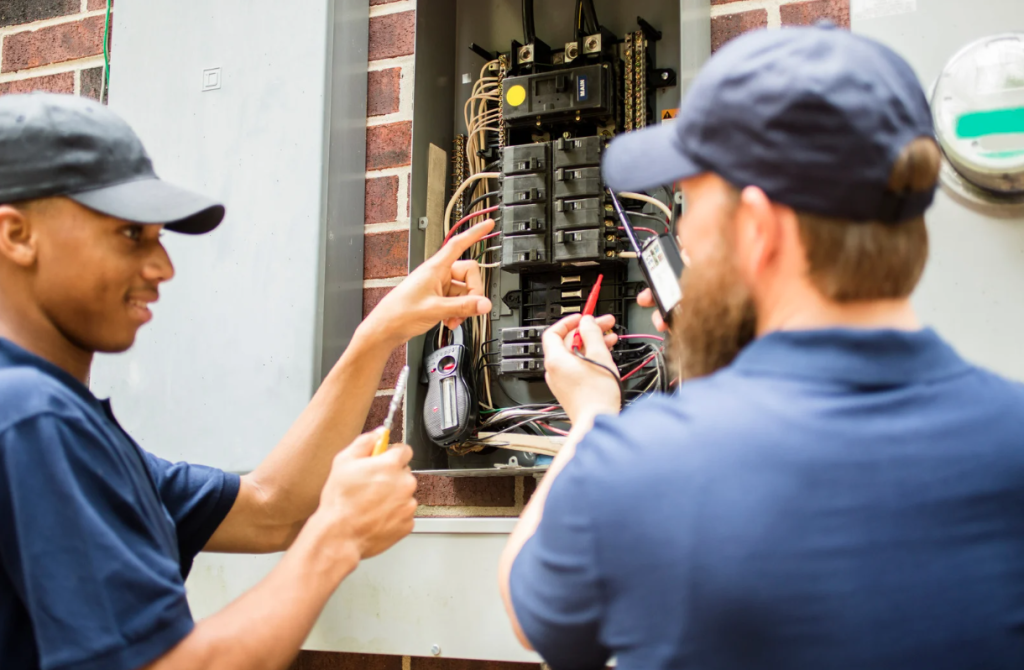
Circuit overload is the number one reason for breaker tripping. This happens when you draw more electrical current through a circuit than it’s designed to handle.
How it happens:
- Too many appliances plugged into one circuit
- Running high-wattage appliances simultaneously
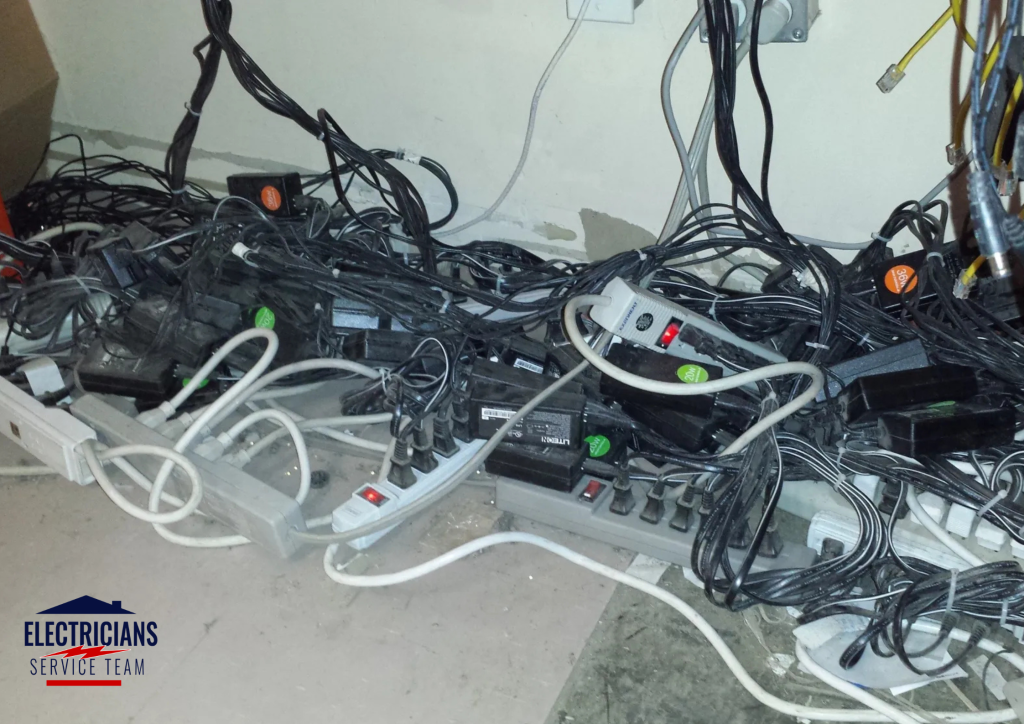
- Using power strips to bypass outlet limitations
Common culprits:
- Space heaters, hair dryers, and curling irons in bathrooms
- Kitchen appliances like microwaves, toasters, and coffee makers on the same circuit
- Window air conditioning units
- Power tools in garages or workshops
Solution: Redistribute your electrical load by unplugging some devices or moving them to different outlets on separate circuits. Consider upgrading your electrical panel if you consistently need more power.
2. Short Circuit
A short circuit is a more serious cause of breaker tripping and requires immediate attention. This occurs when a hot wire touches a neutral wire or the ground wire, creating a sudden surge of current.
Warning signs:
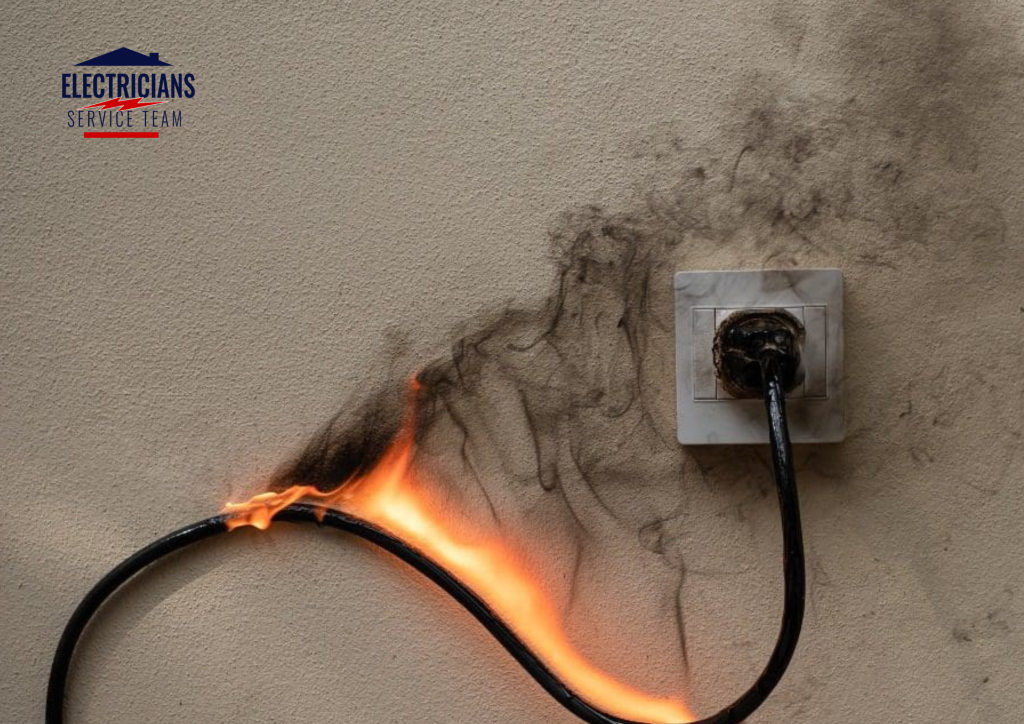
- Burning smell near outlets or the breaker box
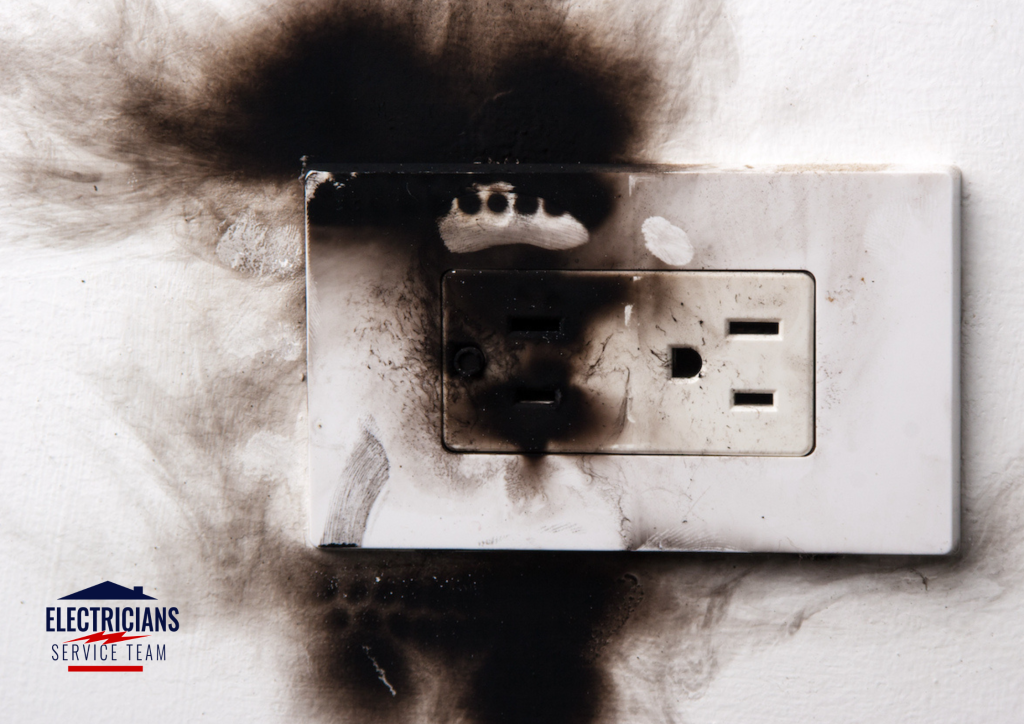
- Discolored or burned outlets
- Breaker tripping immediately when you flip it back on
- Sparks or buzzing sounds
What causes short circuits:
- Damaged wire insulation
- Loose wire connections
- Faulty appliances
- Rodent damage to wiring
- Old or deteriorated wiring
Solution: Short circuits are dangerous and should be addressed by a licensed electrician immediately. Do not attempt to repeatedly reset a breaker that trips due to a short circuit.
3. Ground Fault
Ground fault is similar to a short circuit but occurs when a hot wire touches a ground wire or a grounded part of your electrical system, such as a metal outlet box or water pipe.
Where ground faults commonly occur:
- Bathrooms (near water sources)
- Kitchens (especially near sinks)
- Outdoor outlets
- Basements and garages
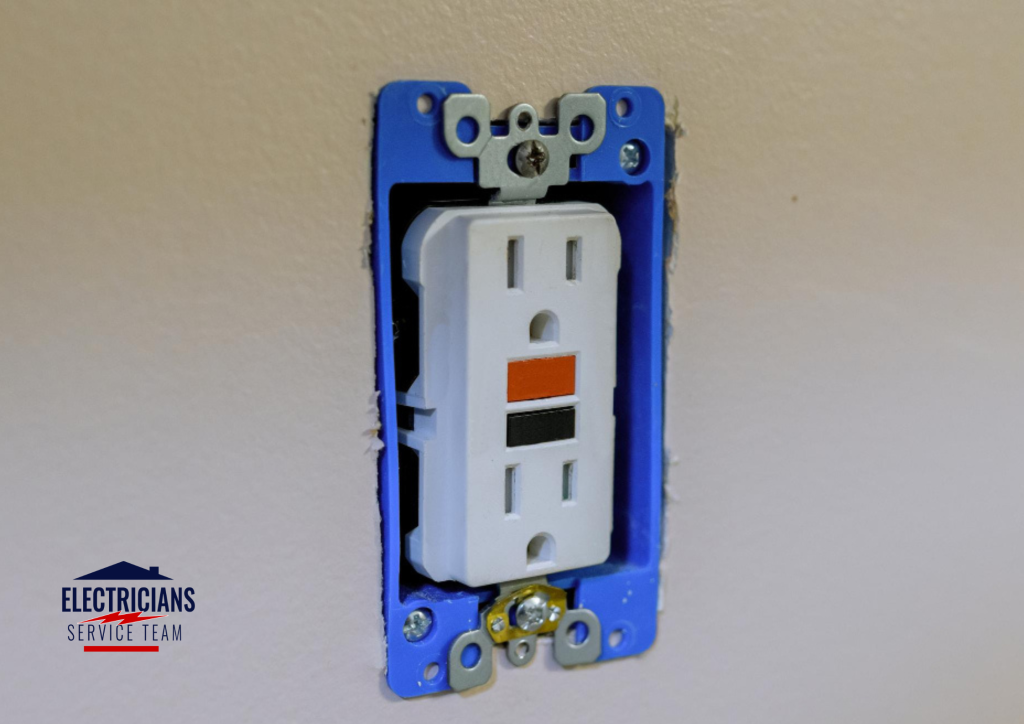
- Areas with GFCI outlets
Signs of ground fault:
- Breaker tripping when using appliances near water
- GFCI outlets that won’t reset
- Tingling sensation when touching appliances
- Moisture or water intrusion near electrical components
Solution: If you suspect a ground fault, especially in wet areas, stop using the affected circuit and call a professional. Ground faults can cause serious electrical shocks.
4. Arc Fault
Arc faults occur when electrical current jumps across a gap in damaged, degraded, or improperly installed wiring. Modern homes have Arc Fault Circuit Interrupter (AFCI) breakers that detect these dangerous conditions.
What causes arc faults:
- Damaged or frayed wiring
- Loose electrical connections
- Nail or screw driven through a wire
- Old wiring with deteriorated insulation
- Improper wire splicing
How to identify arc fault breaker tripping:
- AFCI breaker trips but regular breakers on the same circuit don’t
- Random tripping with no obvious pattern
- Tripping occurs even with minimal electrical load
Solution: Arc faults indicate wiring problems that require professional inspection and repair. These are serious fire hazards.
5. Old or Faulty Circuit Breaker
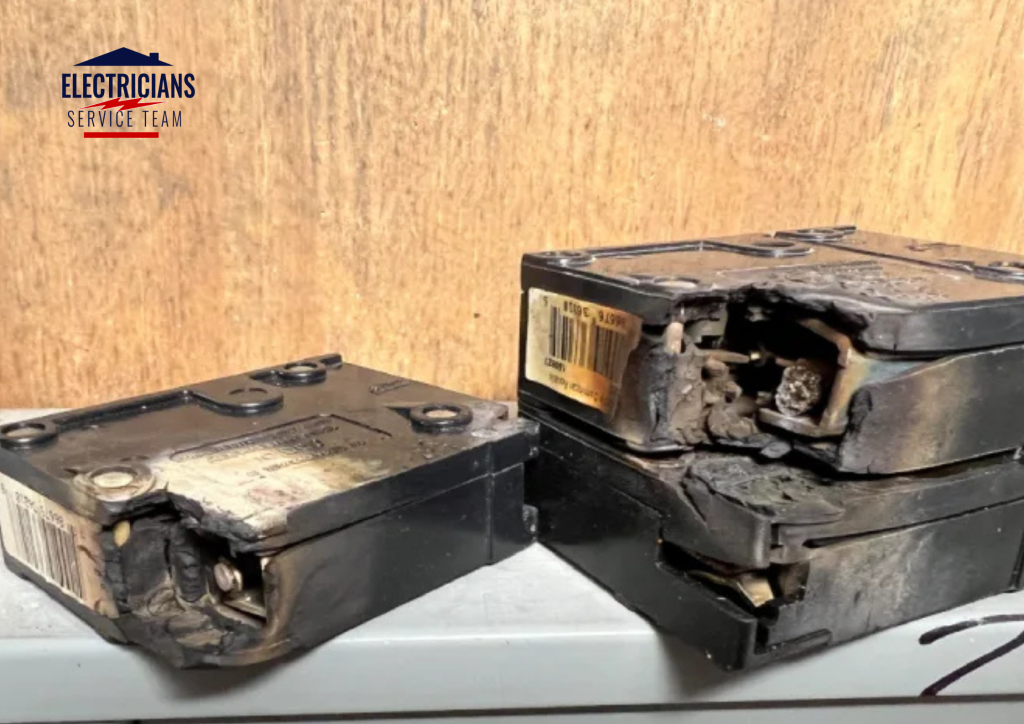
Sometimes the problem isn’t your electrical system—it’s the breaker itself. Circuit breakers can wear out over time, especially if they’ve tripped frequently throughout their lifespan.
Signs of a faulty breaker:
- Breaker feels hot to the touch
- Breaker won’t stay in the “on” position
- Breaker trips immediately with no load
- Physical damage or burn marks on the breaker
- Breaker is more than 20-30 years old
Solution: A licensed electrician can test the breaker and replace it if necessary. Never attempt to replace a breaker yourself unless you’re qualified to do so.
6. Faulty or Damaged Appliance
A defective appliance can cause repeated breaker tripping, especially if the problem is intermittent.
How to identify appliance issues:
- Breaker trips only when a specific appliance is running
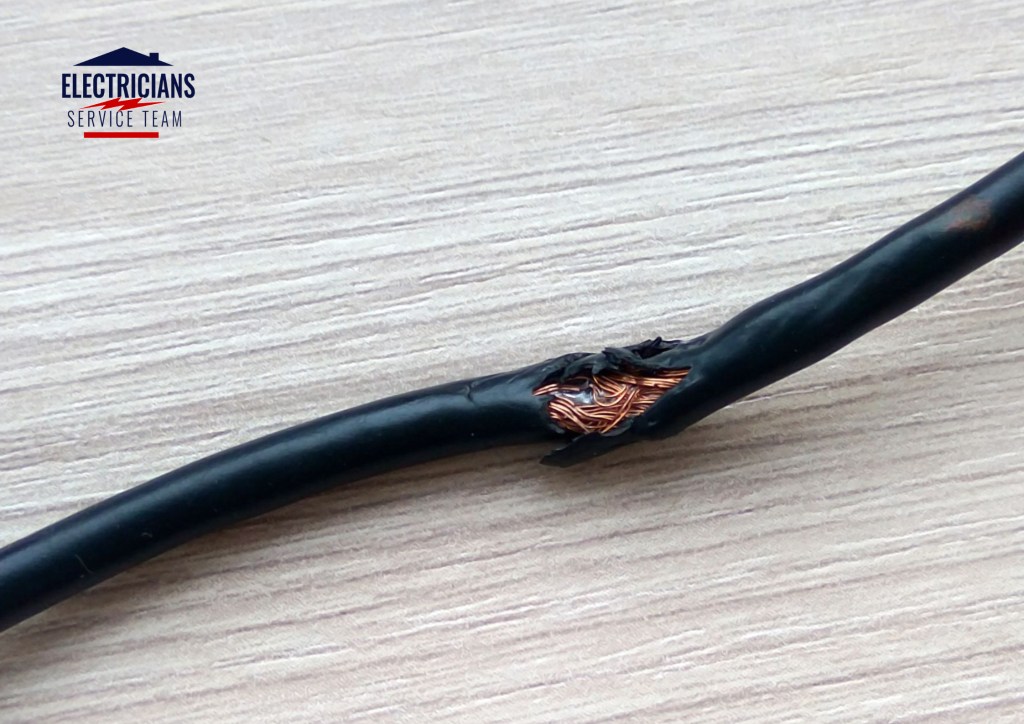
- Appliance shows signs of damage (frayed cords, burning smell, sparks)
- Appliance is old or has been exposed to moisture
- Multiple breakers trip when one appliance is used
Common problematic appliances:
- Refrigerators and freezers (especially older models)
- Washing machines
- Dishwashers
- Air conditioners
- Space heaters
- Power tools
Solution: Unplug the suspected appliance and see if breaker tripping stops. If it does, the appliance needs repair or replacement. Have a professional inspect the appliance before using it again.
7. Moisture or Water Intrusion
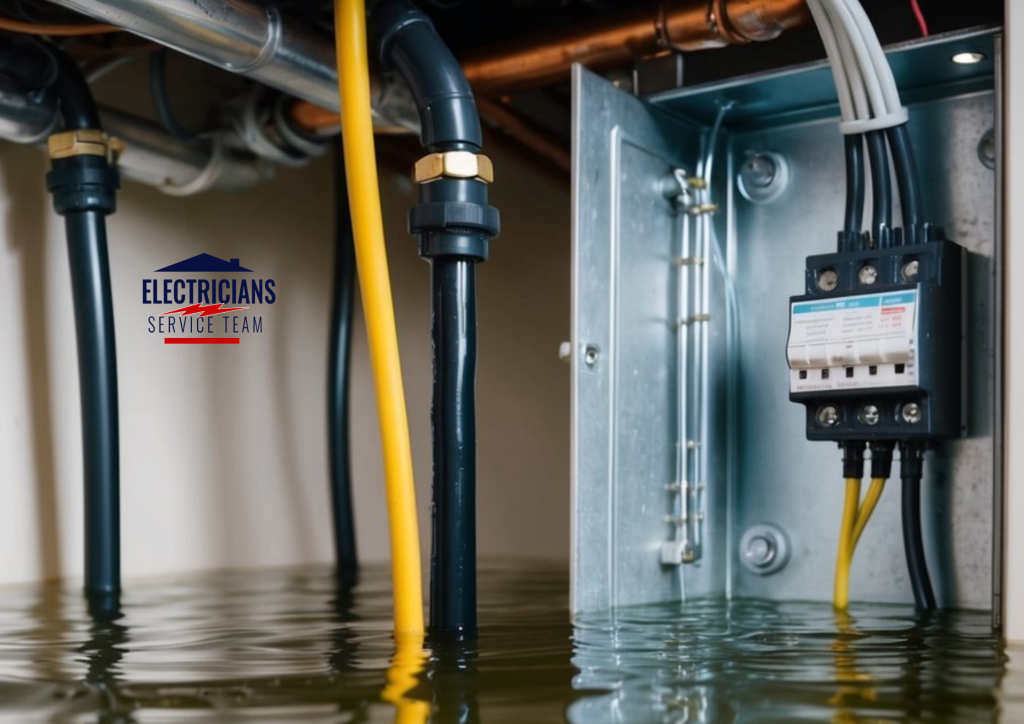
Water and electricity don’t mix. Moisture in your electrical system is a serious safety hazard and a common cause of breaker tripping.
How water causes breaker tripping:
- Water enters outlet boxes or junction boxes
- Condensation builds up in outdoor electrical components
- Plumbing leaks near electrical wiring
- Flooding in basements or crawl spaces
- Rain entering through damaged exterior outlets
Where to check for moisture:
- Outdoor outlets and fixtures
- Basement or crawl space wiring
- Near plumbing fixtures
- In walls with recent water damage
- Around HVAC equipment and condensate lines
Solution: Identify and fix the water source, then have an electrician inspect all affected electrical components before restoring power.
What to Do When Your Breaker Trips
Follow these steps when experiencing breaker tripping:
- Unplug devices on the affected circuit before resetting the breaker
- Reset the breaker by pushing it fully to the “off” position, then back to “on”
- Gradually plug devices back in one at a time to identify potential problems
- Monitor the circuit for repeated tripping
- Call a professional if the breaker trips again immediately or repeatedly
When to Call an Electrician
While you can reset a breaker yourself, some situations require professional help:
- Breaker trips repeatedly, especially immediately after resetting
- You smell burning or see smoke
- Multiple breakers trip simultaneously
- Breaker feels hot or shows physical damage
- You notice sparks, buzzing, or burning smells
- GFCI or AFCI breakers won’t reset
- Breaker tripping started after water exposure
- You’re unsure about the cause
- Your home has old wiring (knob-and-tube or aluminum)
Never ignore frequent breaker tripping. What seems like a minor annoyance could be a warning sign of a serious electrical hazard.
Preventing Breaker Tripping
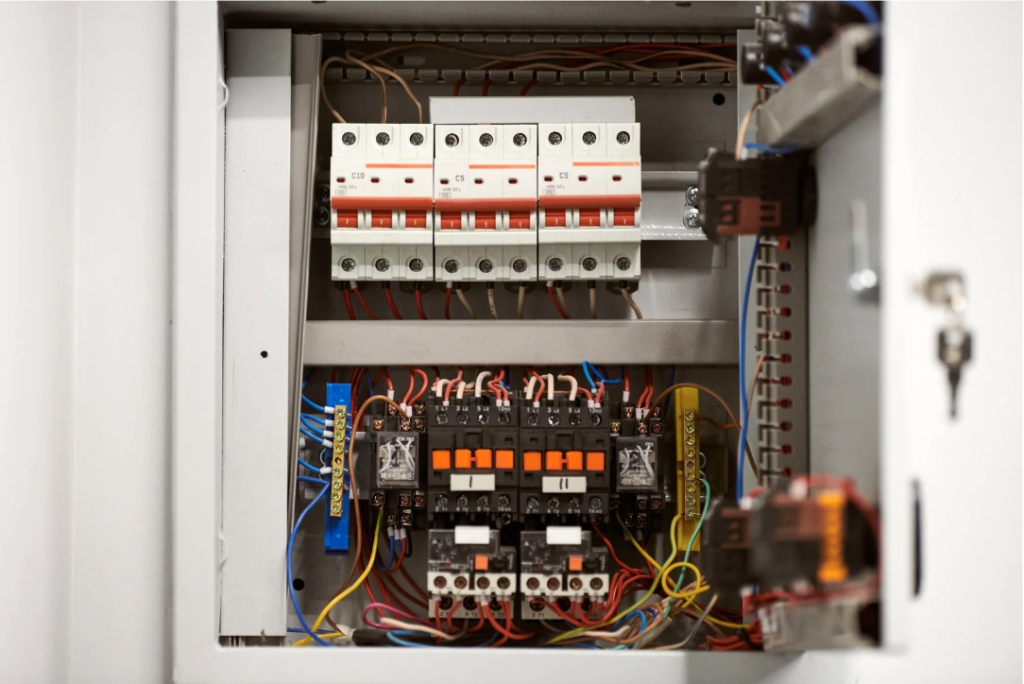
Take these proactive steps to reduce breaker tripping:
Immediate actions:
- Don’t overload outlets with too many devices
- Avoid using multiple high-wattage appliances on one circuit
- Unplug devices when not in use
- Replace damaged extension cords and power strips
- Keep electrical components dry
Long-term solutions:
- Schedule an electrical inspection every 3-5 years
- Upgrade your electrical panel if needed
- Install dedicated circuits for major appliances
- Replace old or damaged wiring
- Install GFCI outlets in bathrooms, kitchens, and outdoor areas
- Keep trees and bushes trimmed away from power lines
- Address plumbing leaks promptly to prevent water intrusion
Understanding Your Electrical Panel
Familiarize yourself with your breaker box:
- Know which breakers control which circuits – Label them if they’re not already marked
- Know where your main breaker is – This cuts power to your entire home in emergencies
- Check breaker capacity – Most residential breakers are 15 or 20 amps
- Never use a higher-rated breaker – This defeats the safety purpose and creates fire hazards
- Keep the area clear – Maintain 3 feet of clearance around your electrical panel
The Dangers of Ignoring Breaker Tripping
Frequent breaker tripping isn’t just inconvenient—it’s potentially dangerous:
- Fire hazard: Overloaded circuits, short circuits, and arc faults can start electrical fires
- Equipment damage: Electrical surges can damage expensive appliances and electronics
- Electrical shock: Ground faults and short circuits increase shock risk
- System failure: Repeatedly tripping breakers can damage your electrical panel
Conclusion
Breaker tripping is your home’s way of warning you about electrical problems. While occasional tripping might just mean you’re running too many appliances at once, frequent or immediate tripping indicates a more serious issue that needs professional attention.
Don’t ignore the warning signs. Circuit overloads, short circuits, ground faults, and faulty wiring can all lead to dangerous conditions including electrical fires and shock hazards. If you’re experiencing repeated breaker tripping, especially with burning smells, sparks, or immediate re-tripping, call a licensed electrician right away.
Your safety is worth far more than the cost of an electrical inspection. When it comes to breaker tripping, it’s always better to be safe than sorry.
FAQs
Anniversary electrical savings are limited-time discounts on residential electrical repairs and upgrades. Homeowners can use these savings to repair wiring, upgrade breaker panels, replace outlets, and schedule system inspections.
Common causes include circuit overloads, short circuits,
Yes, if it trips occasionally. Reset it fully off, then on. Repeated trips require a licensed electrician.
Avoid overloading circuits, unplug unused devices, keep wiring dry, and inspect electrical systems regularly.
Call if breakers trip repeatedly, smell burning, spark, or won’t reset, or if your wiring is old or exposed to water.