If your electric bill has been climbing month after month, you are not alone. The average American household spends over $1,500 per year on electricity — and a significant portion of that cost is completely avoidable. Whether you own an older home with outdated wiring or simply have energy-hungry habits, the good news is that real, measurable savings are within reach.
Below are 10 proven strategies — backed by energy experts and electrical professionals — that can help you slash your electric bill by up to 50%. Some are simple habit changes, while others involve smart electrical upgrades that pay for themselves in months.
1. Switch to LED Lighting Throughout Your Home
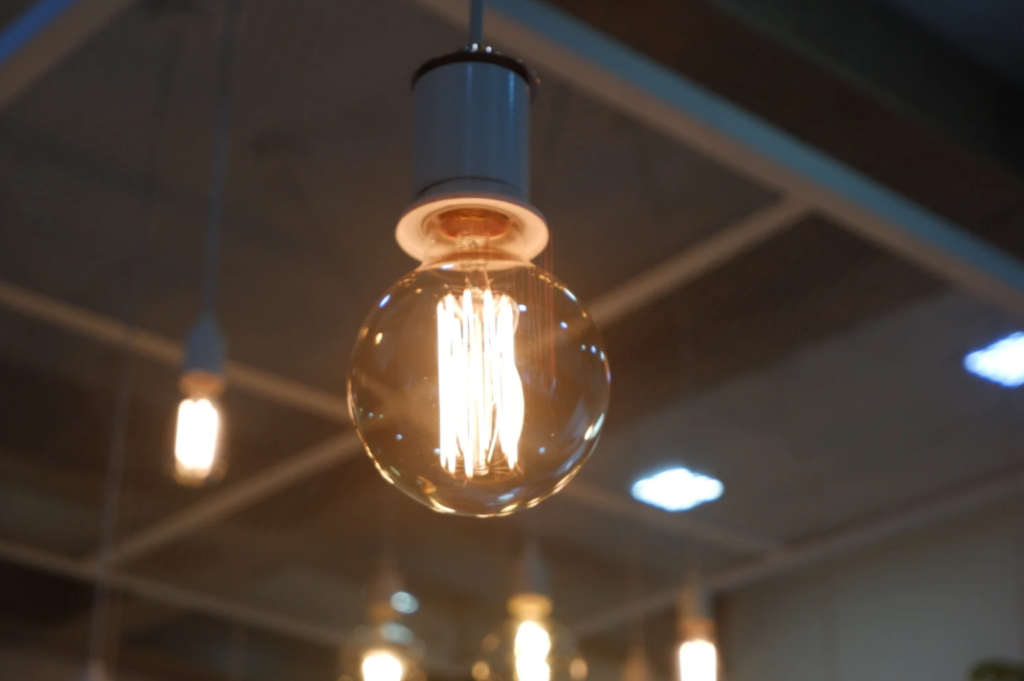
Lighting accounts for roughly 15% of a home’s electricity use. Traditional incandescent bulbs convert only 10% of their energy into light — the rest is wasted as heat. LED bulbs use up to 75% less energy and last 25 times longer. Replacing every bulb in your home with LEDs is one of the fastest, lowest-cost upgrades available, with most households recouping the investment within six months.
2. Install a Programmable or Smart Thermostat
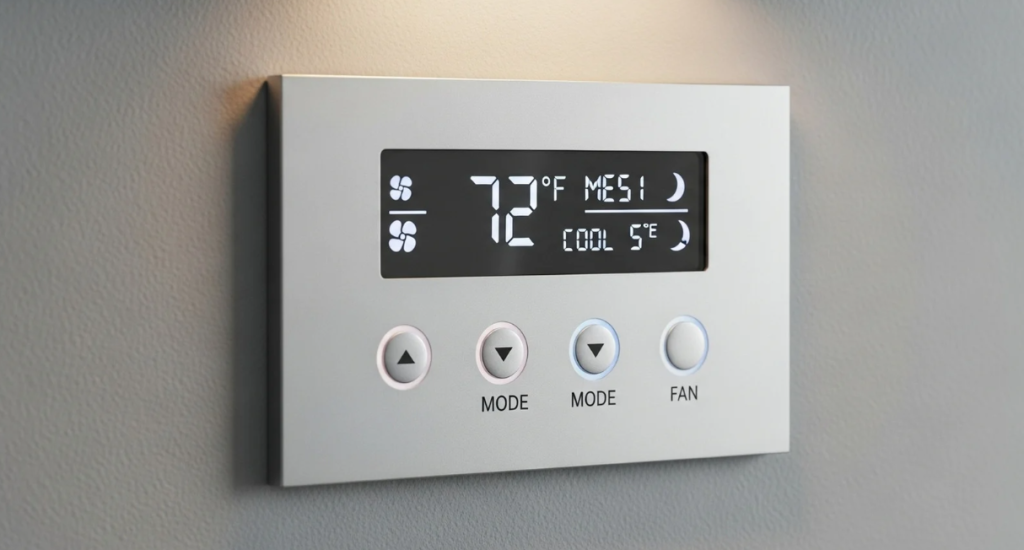
Heating and cooling typically represent the largest slice of any home’s energy bill — often 40% to 50%. A programmable thermostat eliminates the habit of leaving the air conditioning or heat running at full power when no one is home. Smart thermostats go further, learning your schedule automatically and adjusting temperatures to maximize efficiency. The U.S. Department of Energy estimates savings of up to 10% per year simply by setting your thermostat back 7 to 10 degrees for 8 hours a day.
3. Identify and Eliminate Phantom Loads
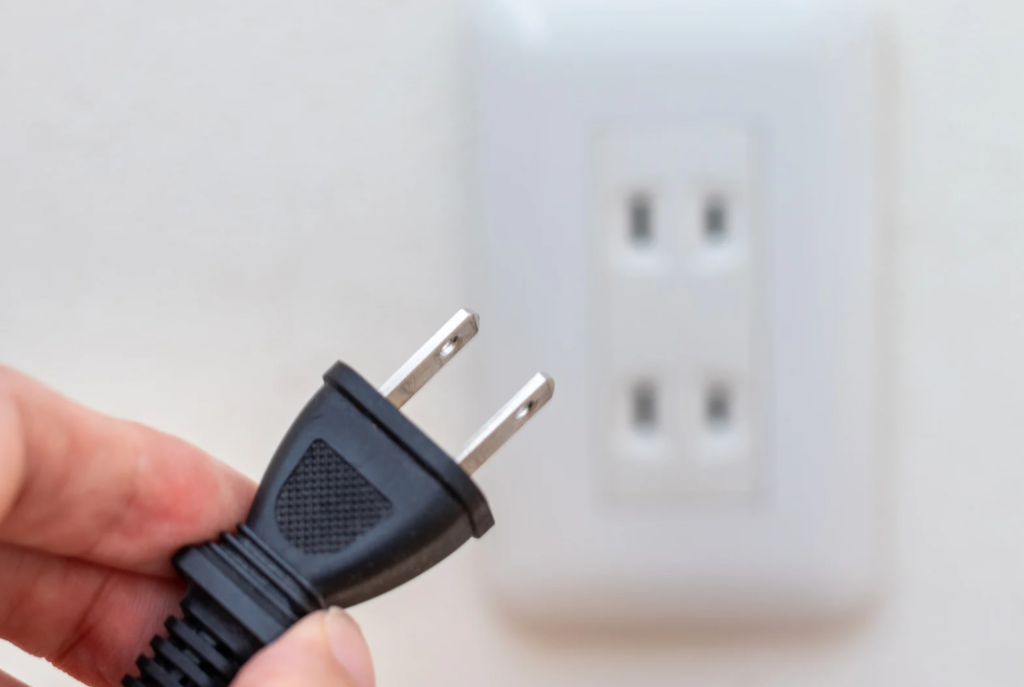
Phantom loads — also called standby power — are the electricity your devices consume even when switched off. Televisions, gaming consoles, phone chargers, and kitchen appliances are common culprits. According to the Lawrence Berkeley National Laboratory, phantom loads account for approximately 10% of a household’s electricity use. Plugging devices into smart power strips and unplugging chargers when not in use are simple steps that add up to real savings over time.
4. Upgrade to Energy-Efficient Appliances
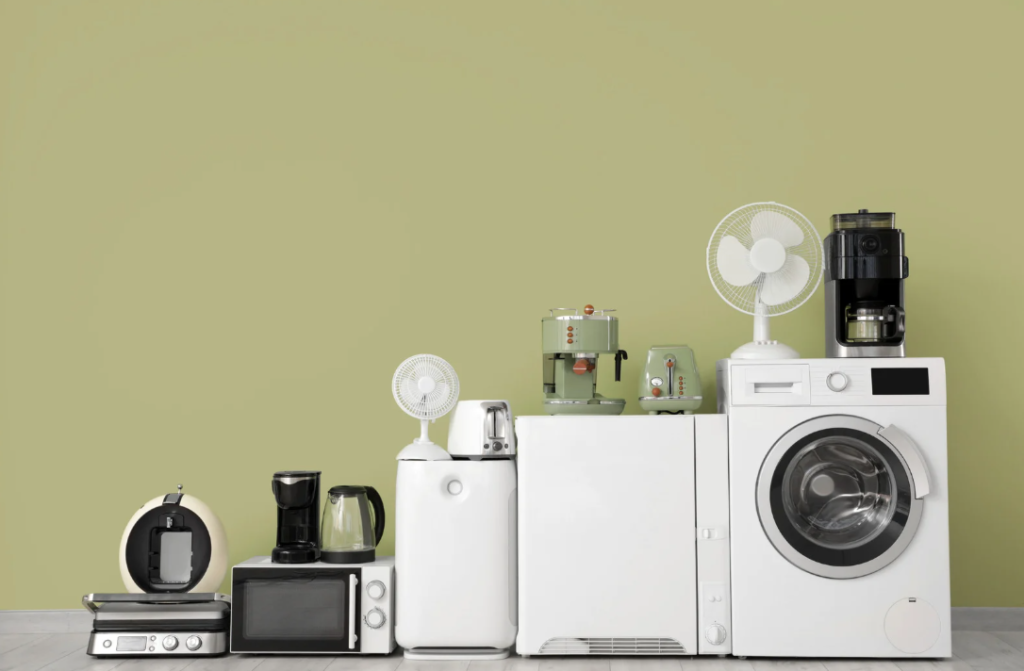
Older appliances — particularly refrigerators, washing machines, and dishwashers — can consume two to three times more electricity than their modern, ENERGY STAR-certified counterparts. If your appliances are more than 10 years old, upgrading can produce significant monthly savings. Look for the ENERGY STAR label, which indicates the product meets strict efficiency guidelines set by the U.S. Environmental Protection Agency.
5. Seal Air Leaks and Improve Insulation
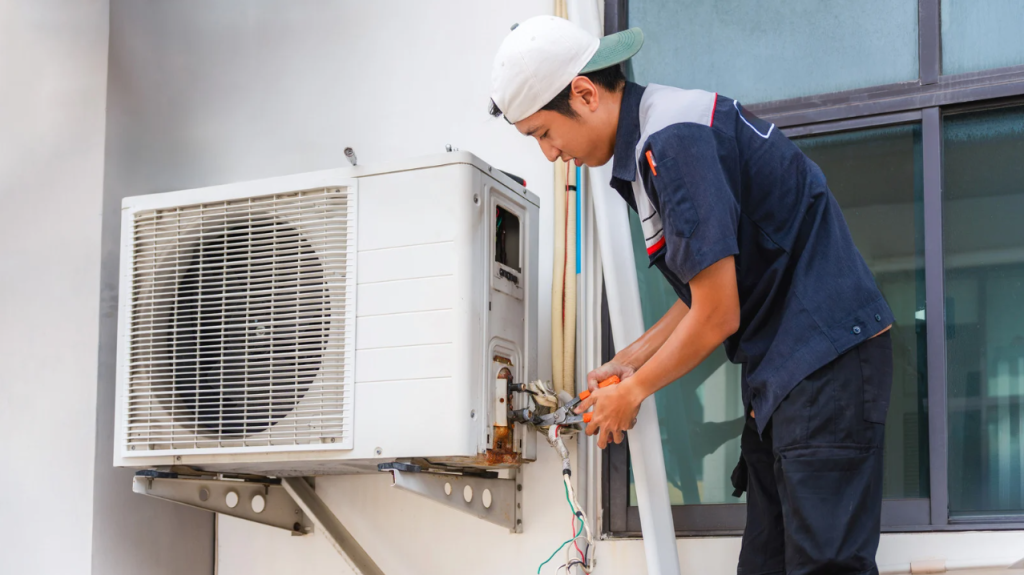
Your HVAC system works overtime when conditioned air escapes through gaps around windows, doors, and electrical outlets. Sealing these leaks with weatherstripping, caulk, and foam insulation is an inexpensive fix that directly reduces how hard your heating and cooling system must work. Properly insulating your attic alone can reduce heating and cooling costs by up to 20%.
6. Run Major Appliances During Off-Peak Hours
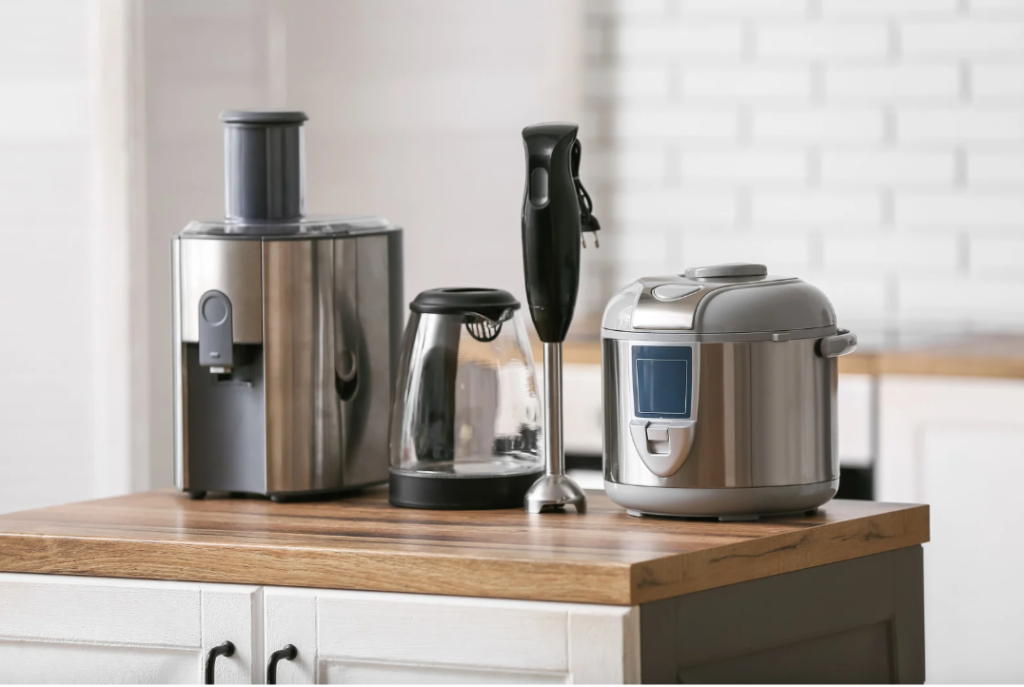
Many utility providers charge higher rates during peak demand hours — typically weekday afternoons and early evenings. By shifting the operation of your dishwasher, washing machine, and dryer to early mornings, late evenings, or weekends, you can take advantage of lower off-peak rates. Check with your utility provider to see if a time-of-use rate plan is available in your area.
7. Upgrade Your Electrical Panel
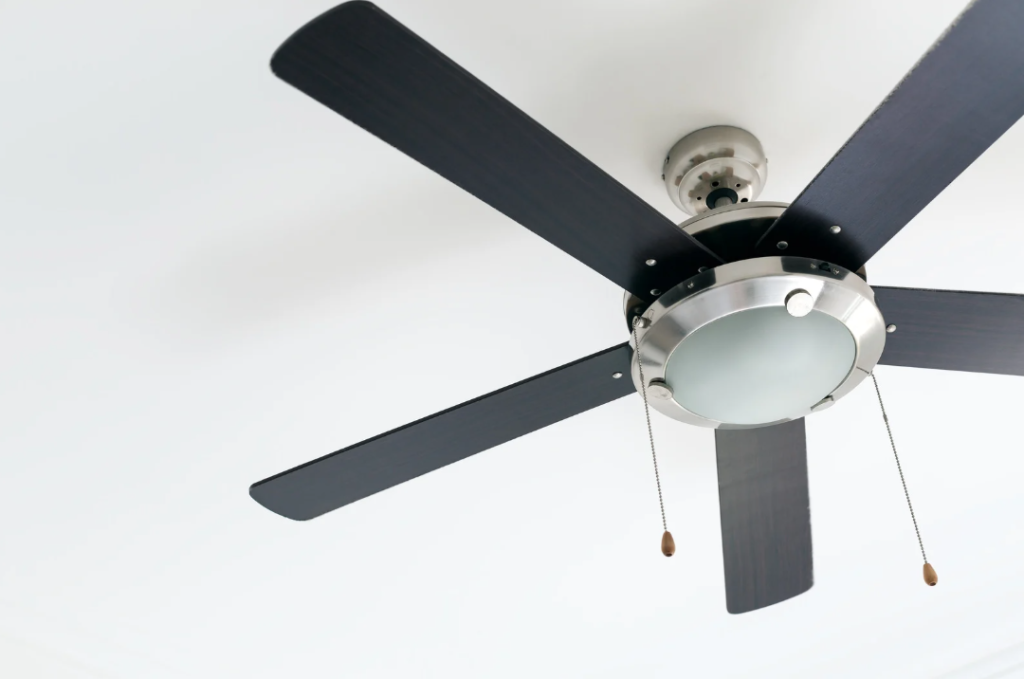
Ceiling fans use a fraction of the electricity that air conditioners require, yet they make a room feel 4 to 6 degrees cooler by circulating air. Running a ceiling fan allows you to raise your thermostat setting without sacrificing comfort. In winter, reversing the fan direction pushes warm air — which naturally rises to the ceiling — back down into the living space, reducing heating demand. Remember to turn fans off when leaving a room, as they cool people, not spaces.
9. Switch to a Tankless Water Heater
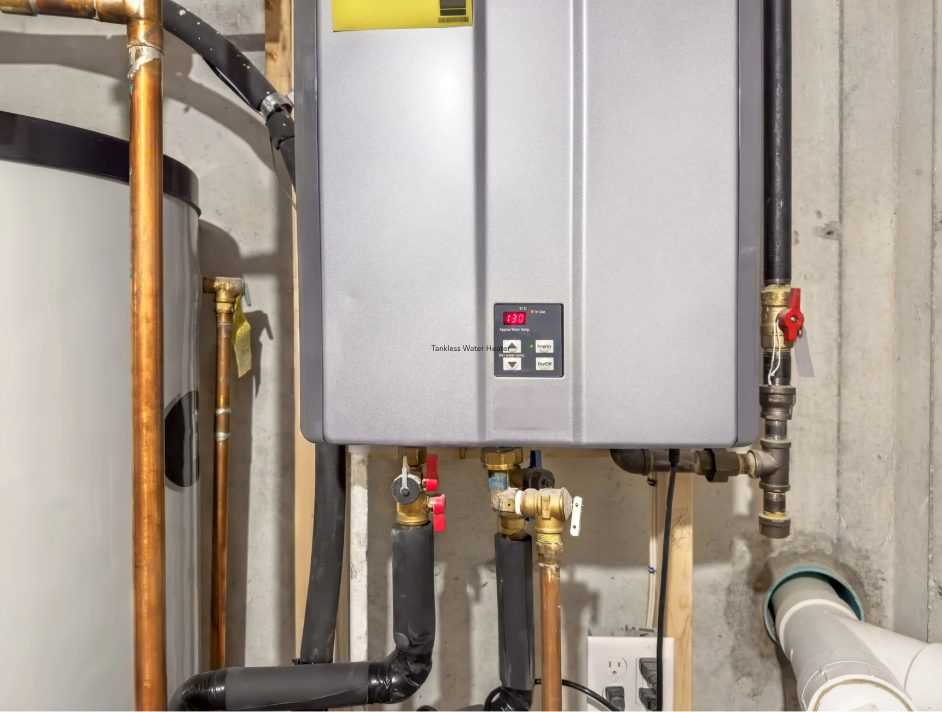
Traditional tank water heaters keep a large reservoir of water hot around the clock — regardless of whether you need it. Tankless, or on-demand, water heaters heat water only when the tap is open, eliminating standby heat loss. According to the U.S. Department of Energy, homes that use 41 gallons or less of hot water daily can achieve energy savings of 24% to 34% compared to conventional storage-tank water heaters. Installation requires a licensed electrician or plumber, but the long-term savings are substantial.
10. Schedule a Professional Home Energy Audit
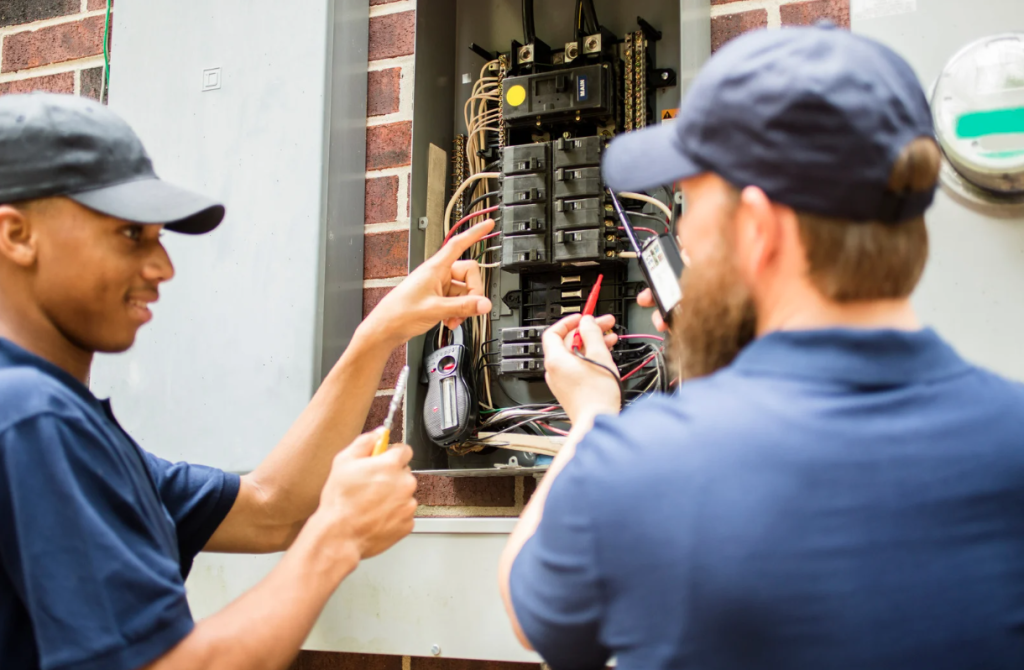
Sometimes the best way to slash your electric bill is to have an expert identify exactly where energy is being wasted in your specific home. A professional home energy audit uses specialized tools — including thermal imaging and blower door tests — to pinpoint inefficiencies that are invisible to the naked eye. A licensed electrician can also inspect your wiring, outlets, and electrical system for issues that may be costing you money without your knowledge.
Final Thoughts
Cutting your electric bill by 50% is an achievable goal — not a marketing gimmick. By combining behavioral changes with smart electrical upgrades, most homeowners can see dramatic reductions in their monthly energy costs within the first few billing cycles. Start with the low-cost, high-impact steps like switching to LEDs and eliminating phantom loads, then work your way toward the larger investments like panel upgrades or tankless water heaters.
Every home is different, and the right combination of strategies will depend on your specific electrical system, usage habits, and budget. Tackling these changes systematically — ideally with professional guidance — ensures you get the maximum return on every dollar invested.
FAQs
Yes. By combining multiple strategies — such as switching to LED lighting, eliminating phantom loads, upgrading appliances, and improving insulation — most homeowners can achieve 30% to 50% in savings over time.
Heating and cooling account for the largest share, typically 40% to 50% of a home’s total electricity use. Water heating, lighting, and large appliances follow closely behind.
The cost varies. Some changes — like unplugging devices and switching to LEDs — cost very little. Others, like panel upgrades or tankless water heaters, require a larger upfront investment but typically pay for themselves within 1 to 3 years through monthly savings.
Not for every step. However, for upgrades like panel replacements, smart wiring, or electrical audits, hiring a licensed electrician ensures the work is safe, code-compliant, and done correctly the first time.