Snow and ice crack housings, loosen wiring, and trap moisture, causing corrosion and shorts. Snow ice damage outdoor lighting happens when freeze-thaw cycles stress fixtures and block drainage.
Key Takeaways:
- Freeze-thaw cycles strain fixtures
- Moisture leads to corrosion and shorts
- Cracked housings expose wiring
- Proper sealing and drainage reduce damage
Understanding Winter Stress on Exterior Lighting Systems
Winter introduces a unique and relentless set of environmental pressures on exterior electrical installations. Snow accumulation, ice expansion, sub-zero temperatures, and repeated freeze–thaw cycles all interact with outdoor lighting systems in ways that quietly degrade performance and safety. We address these challenges with precision, focusing on how structural materials, electrical components, and installation practices respond to prolonged cold exposure.
In regions with sustained winter conditions, snow ice damage outdoor lighting becomes a predictable outcome rather than an exception. Ice infiltrates seams, snow adds static load, and temperature contraction weakens internal connections. Over time, these forces compound, resulting in partial failures or complete outages that compromise safety, aesthetics, and property value.
How Snow Load and Ice Expansion Damage Outdoor Light Fixtures
Outdoor light fixtures are engineered to withstand moisture, but winter introduces moisture in its most destructive form. When melting snow refreezes, it expands into microscopic gaps, exerting pressure that gradually fractures housings and seals.
Common structural consequences include:
- Warped fixture frames caused by uneven ice expansion
- Lens separation due to repeated freeze–thaw stress
- Sealant failure allowing moisture ingress
- Mounting bracket fatigue under accumulated snow weight
A single cracked seal can trigger cascading electrical problems that worsen as winter progresses.
Electrical Vulnerabilities Exposed by Freezing Temperatures
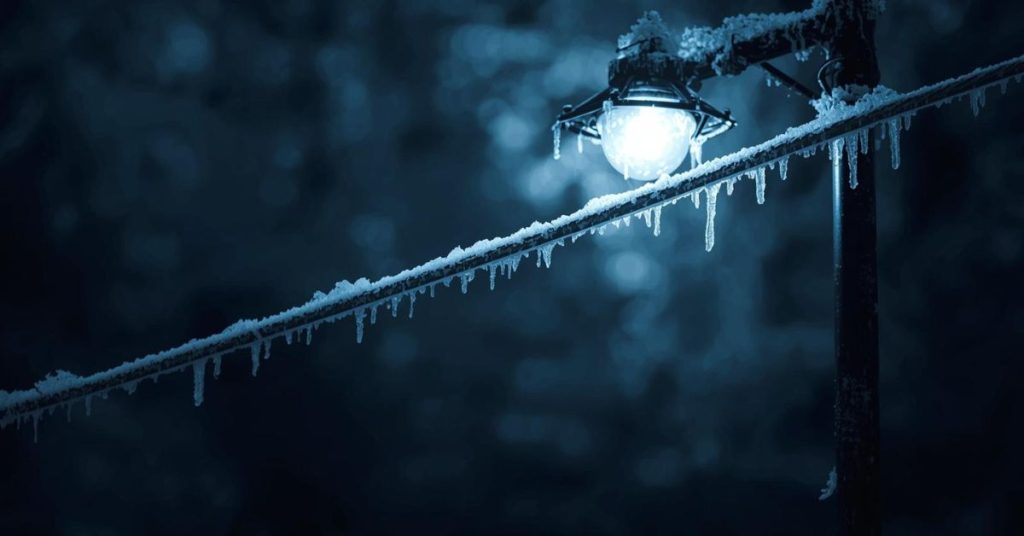
Cold weather alters electrical conductivity and material flexibility. Insulation stiffens, metal contracts, and connection points lose tolerance. These subtle shifts often explain why property owners experience outdoor lights not working in winter despite no visible external damage.
Critical electrical risks include:
- Brittle wire insulation leading to micro-fractures
- Condensation inside junction boxes freezing around terminals
- Reduced current flow due to increased resistance
- Corrosion acceleration once moisture is trapped
In severe cases, frozen moisture inside conduits leads directly to frozen outdoor lighting wiring, creating intermittent faults that are difficult to diagnose without professional tools.
Many winter-related failures start small but escalate quickly if ignored. Knowing how to Solve Common Outdoor Lighting Problems Quickly helps homeowners recognize early warning signs such as flickering fixtures, intermittent outages, and moisture-related shorts before they turn into full system failures.
LED Outdoor Lighting Performance Issues in Winter
LED technology is widely praised for efficiency, yet winter exposes design and installation flaws that are often overlooked. Drivers and transformers are particularly sensitive to temperature extremes.
One of the most misinterpreted issues is LED outdoor lighting winter failure, which rarely stems from the diode itself. Instead, failures originate from:
- Underrated drivers unable to handle cold starts
- Condensation freezing within power supplies
- Thermal shock from rapid temperature swings
- Inferior gasket materials shrinking in cold air
For more on how LED technology performs in different conditions and why component quality matters, see the U.S. Department of Energy’s LED lighting guide for energy‑efficient lighting behavior in cold environments.
Proper winter-rated components and sealed enclosures are non-negotiable for reliable LED performance.
How to Identify Physical Damage After Snow and Ice Events
Visual inspections after heavy snowfall or ice storms reveal early warning signs that should never be ignored. Even minor physical defects signal deeper electrical risks.
Key indicators include:
- cracked outdoor light fixture winter damage along seams or lenses
- Rust stains indicating internal moisture retention
- Fixtures tilting from snow load stress
- Exposed conductors near mounting points
These conditions compromise both functionality and electrical safety, demanding immediate corrective action.
Why Temporary Outdoor Lighting Fixes Fail in Cold Weather
Short-term repairs rarely survive winter. Tape, surface sealants, and improvised splices deteriorate rapidly in freezing temperatures, often worsening the original issue.
Lasting remediation requires:
- Cold-rated materials with verified expansion tolerances
- Proper moisture barriers and compression seals
- Load-tested mounting hardware
- Certified wiring services designed for exterior winter exposure
Without these measures, repeat failures are inevitable.
Professional Outdoor Lighting Repair Strategies for Winter
Effective winter restoration follows a systematic approach that prioritizes safety, compliance, and long-term durability. We implement repair protocols that address both visible damage and hidden vulnerabilities.
Our winter-focused methodology includes:
- Thermal imaging to locate cold-induced faults
- Insulation resistance testing under load
- Replacement of non-rated components
- Full system grounding verification
These steps define true outdoor lighting repair services winter, ensuring reliability throughout the coldest months.
Residential Properties and Winter Lighting Integrity
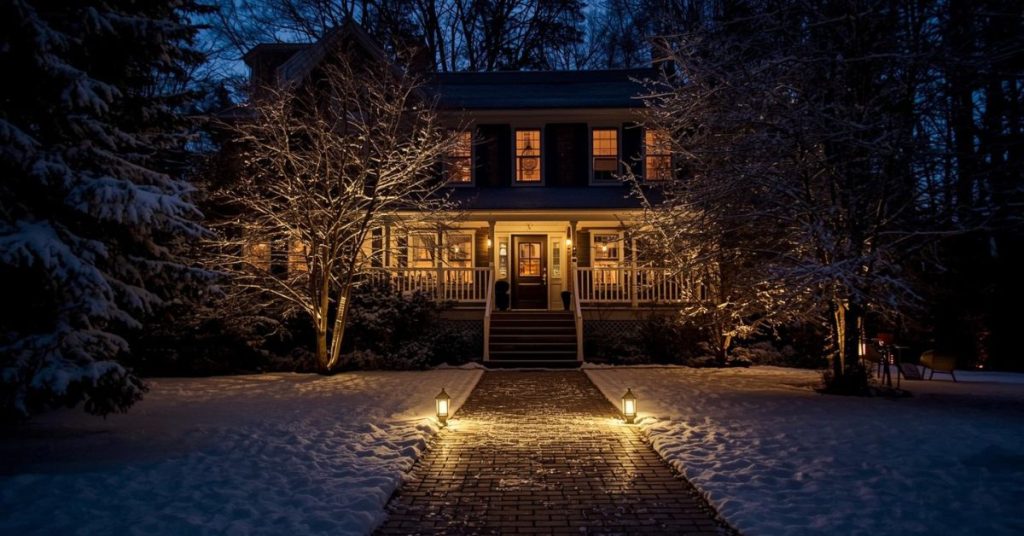
Homes face distinct challenges due to varied fixture types, decorative installations, and landscape-integrated wiring. Seasonal décor lighting often compounds risks when integrated improperly with permanent systems.
Targeted residential outdoor lighting repair winter solutions focus on:
- Pathway and entry lighting for slip prevention
- Garage and perimeter fixtures for security
- Landscape lighting exposed to snowplow displacement
- Deck and stair illumination subject to ice buildup
Each zone requires tailored materials and mounting strategies.
Electrical Safety Codes and Winter Lighting Compliance
Winter damage often pushes systems out of regulatory alignment. Moisture intrusion and insulation breakdown can violate electrical codes without obvious signs.
A comprehensive winter outdoor lighting compliance check verifies:
- GFCI and AFCI protection integrity
- Proper bonding and grounding continuity
- Enclosure ratings suitable for snow exposure
- Clearance from combustible materials
For general electrical safety in winter conditions — including hazards from moisture and freezing — reference the CPSC’s Winter Weather Safety guide on preventing electrical and other cold-weather injuries.
Compliance is not optional—it is a safeguard against fire and shock hazards.
Preventive Outdoor Lighting Design for Long-Term Winter Resistance
Forward-thinking design minimizes future winter failures. Material selection, placement strategy, and drainage planning all influence resilience.
Best practices include:
- Elevated mounting above average snow depth
- Sloped fixture tops to shed ice
- Use of cold-rated polymers and stainless hardware
- Conduit routing that prevents water traps
These principles dramatically reduce repeat incidents of snow ice damage outdoor lighting across multiple seasons.
Who to Call for Professional Outdoor Lighting Repair Services
Winter lighting issues demand advanced diagnostics and certified execution. Attempting complex repairs without proper training exposes occupants to significant electrical and safety risks.
The Electricians Service Team provides specialized winter-proof outdoor lighting solutions, including:
- Accurate fault isolation using advanced diagnostic tools
- Replacement of cold-sensitive or damaged components
- Code-compliant repairs and grounding verification
- Documentation support for inspections or insurance claims
Engaging professional electrical expertise is the decisive factor between recurring winter failures and dependable long-term performance—book now to restore safe, reliable outdoor lighting before the next cold snap.
Conclusion: Keeping Outdoor Lighting Reliable All Winter
Snow and ice are unavoidable, but lighting failure is not. Through informed inspection, cold-rated materials, and disciplined repair standards, outdoor lighting systems can remain safe, functional, and compliant throughout winter. Proactive maintenance—combined with professional expertise—transforms harsh seasonal conditions from a liability into a managed variable that protects both safety and property value.
For dependable winter outdoor lighting, scheduling a professional inspection before the next snowfall can prevent costly repairs and unexpected outages. The Electricians Service Team is equipped to assess, repair, and winter-proof exterior lighting systems with certified precision—ensuring reliable performance when it matters most.
Contact us today to winter-proof your outdoor lighting system before snow and ice cause damage.
FAQs
Yes, if properly rated for cold weather, installed correctly, and maintained with preventive measures.
Failures usually stem from drivers, condensation, or thermal shock—not the LEDs themselves. Cold-rated components and sealed enclosures prevent these issues.
Look for cracks, rust stains, misalignment, and exposed wiring. Use thermal imaging or professional inspections for hidden faults.
Temporary fixes like tape or sealants rarely last. Certified cold-rated materials and proper installation are essential for reliability.
If lights show intermittent outages, visible damage, or fail code compliance checks, professional intervention ensures safety and longevity.